Lhasa-Mount-Kailash-Mansarovar-Tour
Lhasa to Mount Kailash Mansarovar Tour
Lhasa to Mount Kailash Mansarovar Tour- 11 Days

Lhasa to Mount Kailash Mansarovar Tour- 11 Days

Duration11 Days
Trip GradeModerate
Maximum Altitude5630
ActivitiesTour and Trekking
Group Size4 and above
StartsLhasa
EndsKathmandu
Best TimeMay to September

Preview of Lhasa to Mount Kailash Mansarovar Tour

Begin in the centre of Tibet’s spiritual and cultural universe, Lhasa. At about 3,650 metres, Lhasa is a wonderful mix of ancient grandeur and an acclimatisation base for the trek ahead. On this Lhasa to Mount Kailash Mansarovar Tour, you will meander the hallowed corridors of Potala Palace, the old residence of the Dalai Lama. Wander through the lively markets of Barkhor Street and marvel at Jokhang Temple, a place for pilgrims from all over Tibet’s plateau.

From Lhasa, with its myriad cultural delights of the city itself, the Lhasa to Mount Kailash Mansarovar Tour Route veers further west toward vast high‑plateau vistas that rise to the trip’s destination: remote and sacred Mount Kailash. The formidable structure of Mount Kailash rests at a height of almost 6,638 metres and carries great spiritual significance for Hinduism, Buddhism, Jainism and Bon.

Pilgrims and tourists are attracted by its sacred profile and the centuries-old ritual of kora, the circumambulation of a sacred mountain. And beside this mountain stands the sparkling Lake Mansarovar, a freshwater lake of high altitude and one of the holiest in the region.

During this 11-day experience, you will combine rich cultural immersion, pilgrimage experiential travel with stunning scenery and ancient practices along mountain roads. Lhasa to Mount Kailash Mansarovar Tour- is not merely a sightseeing trip; it is a purposeful journey into one of the most sacred regions in the world. 

The 11 days from Lhasa to Mount Kailash & Lake Mansarovar is offered with your best interest in mind; it has been our experience since we started delivering these exceptional experiences. 

We run this 11 Lhasa Mount Kailash & Lake Mansarovar tour with the very best supportive guide and services. Our programme is designed at a relaxed pace that makes room for acclimatisation, physical and spiritual comfort and riches, you will travel with experienced local guides who know the terrain and the culture. If you’re interested in upgrading your experience or if you want to tailor it further, we can help personalise your adventure.

And, if you want to be part of Kailash Mansarovar Yatra only then have a look at our recommended packages.

Highlights

  • Discover the historic heart of Lhasa: Potala Palace, Jokhang Temple and the lively Barkhor bazaar.
  • Cross the vast open spaces of the high Tibetan plateau, as it is here where you pass small isolated settlements and spectacular mountain passes.
  • Arrive at the sacred lake Mansarovar for an once in a lifetime lakeside experience amidst its crystal clear waters and untouched nature.
  • Stand in the shadow of the great Mount Kailash and take in its spiritual presence.
  • Participate in the kora (circumambulation) of Mount Kailash.
  • Experience Lhasa as a base for culture and ritual: the local Tibetan traditions, monasteries, high‑altitude city living, and possibly feeling that you are in the "place of gods".
  • Approach Mount Kailash, a peak that becomes holy ground, not a geographical obstacle: it is the home of Lord Shiva for Hindus and Buddhism's universe pole (the mythical Mount Meru).
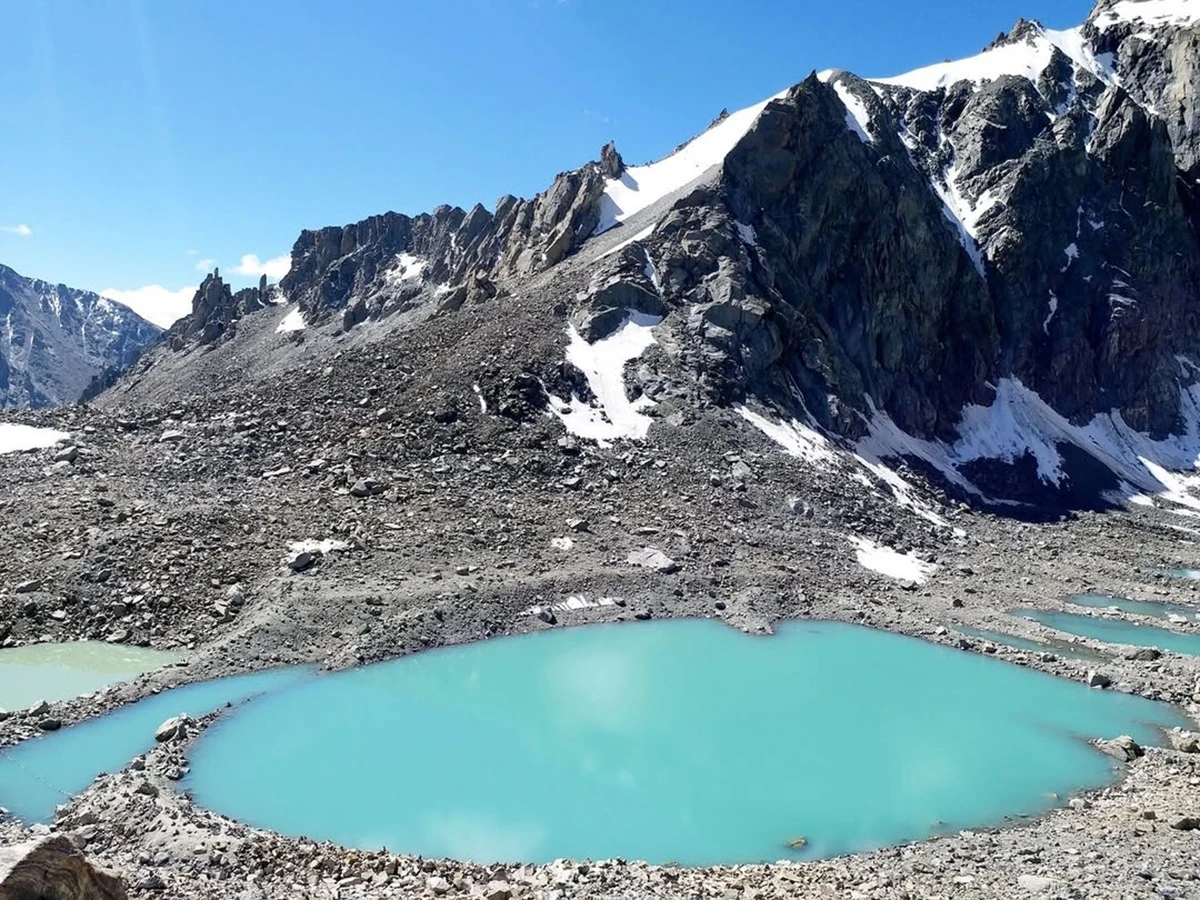
  • High plateau landscapes: glaciers with craggy ridges, sweeping valleys and wide open skies.

Mount Kailash (Kang Rinpoche)

Mount Kailash at (6,638m / 21,778ft) has been an important place for Hindu rituals as the abode of Lord Shiv and Parvati. Equally, it is also regarded as sacred by cults in Buddhism, Kang Rinpoche Tibetan Buddhism ( Precious Jewel of Snow), and in Jainism and Bonism.

Its majestic pyramid‑shaped outline towers over the Tibetan plains and inspires reverence from devotees across religious lines. There is a belief that walking the kora (the 52km circuit) of Kailash purifies negative karma.

The top of the mountain is unapproachable, but the circle around the mountain becomes an act of worship. Snippets of how the raw mountains, high passes like DolmaLa (≈5,630m) and sheer isolation conspire to elevate this spiritual focal point are all there. 

Mansarovar Lake: A Sacred Beauty

Lake Mansarovar is located at the foot of Mt. Kailash, at an elevation of about 4,550‑4,600m.

The lake is known as one of the greatest freshwater lakes in the world, and is deeply sacred: for Hindus, bathing or drinking its water cleans away sin; for Buddhists, the lake is associated with the dragon lake Anavatapta.

The silvery waters mirror on its snow‑peaks and desert levels around, producing a tranquil, almost fairyland effect. Pilgrims frequently linger here, for reflection, rituals and photo‑moments. The chill air, the clear water, pilgrims performing pujas around it and the spiritual calm produce one of the scared moments on the tour.

Lhasa: The Gateway to Tibet

Lhasa, at approx 3650m, is where your tour starts, and this is where your body and mind will adjust to altitude for a couple of days before moving on to even higher.

In Lhasa, you can visit such iconic sights as the Potala Palace and Jokhang Temple, and try your luck at haggling in vibrant local markets  including Barkhor Street. The city marries spirituality with the ordinary life of Tibetans: monks in robes, prayer flags varying over edifices and the drumbeat of pilgrim circuits. It’s where you bring your senses back to earth before the high-­altitude journey that awaits outside. Spend leisurely hours meandering, relaxing, tasting local food and culture, and respecting the religious atmosphere while getting ready for the hike.

Jokhang Temple: Heart of Tibetan Buddhism

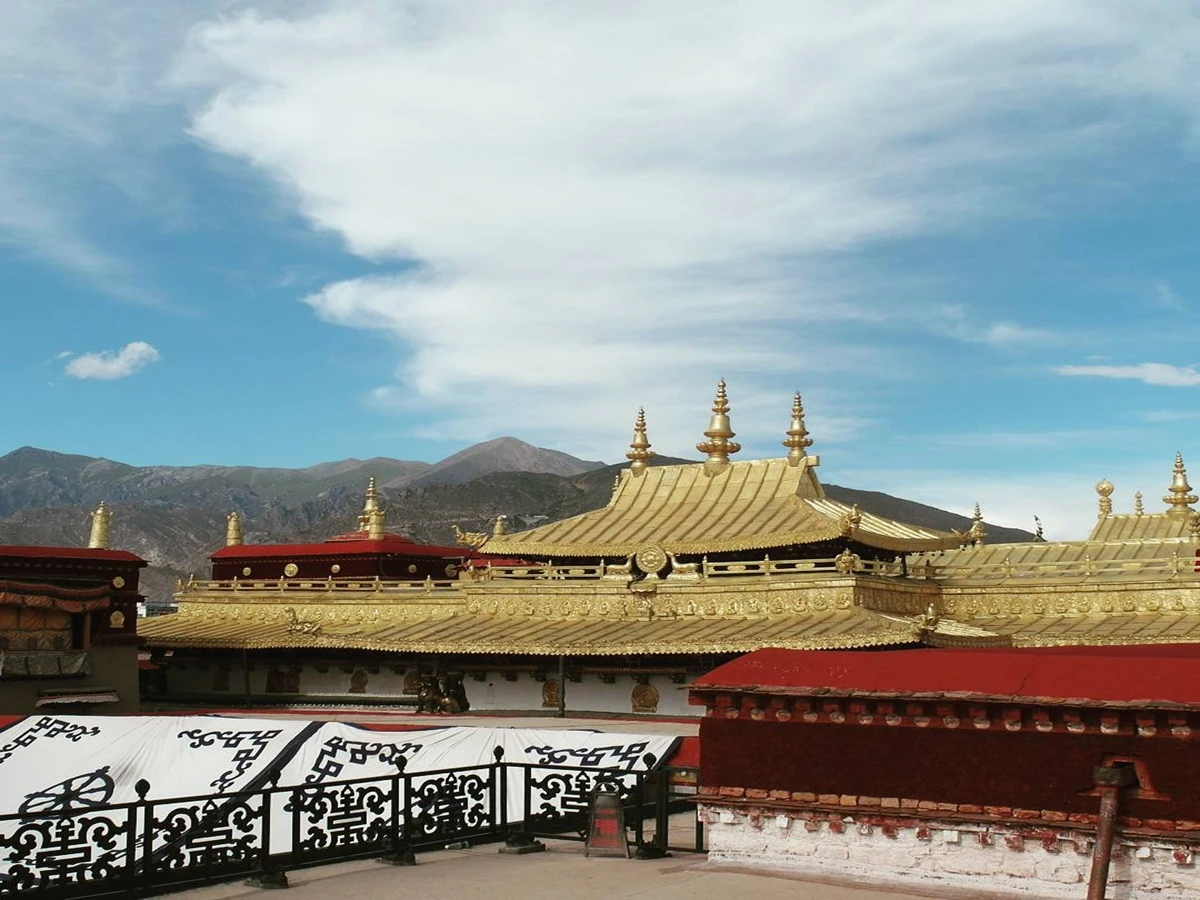
As the holiest temple in Tibetan Buddhism, Jokhang Temple has drawn pilgrims from all over Tibet for centuries as they conduct a kora around its inner wall. In and around the temple complex above, you’ll glimpse devotion in motion: prostrations, prayer wheels, incense and chanting. It gives a vivid immersion into the life of the Tibetan spirit. The iconography, history and living practice are explained on guided visits. If you go in the morning, you get serenity as well as authenticity of experience. 

Potala Palace: Symbol of Tibetan Heritage

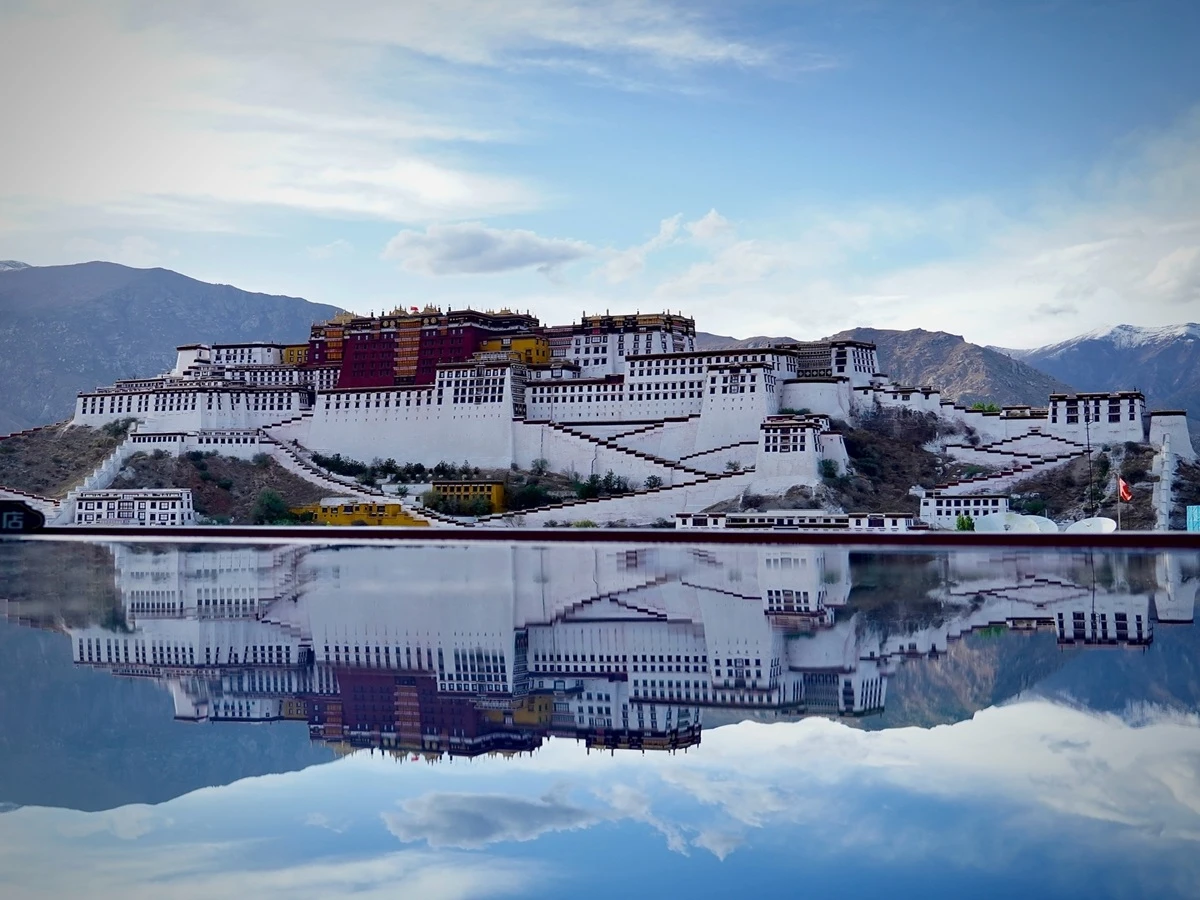
The Potala Palace, once the winter dwelling of the Dalai Lamas, dominates the skyline. Located on the RedHill and combining dramatic architecture with chapels, shrines, ancient scriptures, it offers sweeping views over the Lhasa valley. Both aesthetically and culturally, a visit to the palace is worth it for anyone interested in Tibetan history, spirituality, and rule. Inside are murals, stupas and the former living quarters.

It’s a reminder that your spiritual‑cultural journey starts not in the remote wilderness, but rather in a city honed over centuries of Tibetan tradition.

Tibetan Plateau: The Roof of the World

This journey runs across the Tibetan Plateau, expansive high‑altitude plains, glacial lakes, high-altitude passes, and limited human habitation. The relative high elevation and remoteness of the terrain make travelling as much a part of the experience as the destination. From Lhasa, approximately ~3,650 m, you gradually ascend towards Darchen (~4,670 m), charging into a 5,500+m pass. 

The thin air, striking landscapes, and unpredictable weather are worthy of caution and preparation. Still, these same attributes will haunt your meditations, the very nature of which conveys the essence of this part of the world: the remoteness, silence, verticality, and endless blue sky. Each foot you travel will draw you further into the experience of this "roof of the world".

Is Lhasa to Mount Kailash Mansarovar Tour Right For You? 

  • If you are mentally prepared for a spiritual journey in one of Tibet’s most revered areas, which starts in Lhasa and finishes at Mount Kailash and Lake Mansarovar, then this pathway is right for you.
  • If you embrace the brutal condition of this trip that includes rough and rugged roads, high altitude (over 4, in some cases 5,000 m+ +), a number of long days driving, then you will be at ease with the rhythm of the day.
  • If you are a person who enjoys small group travel led by informed guides who will inform you of the local culture, Tibetan Buddhism and the meaning of spirituality in the region, this tour offers just that.
  • If you feel physically comfortable contemplating walking a moderate distance (on the kora/circumambulation) and have enough energy to cope with the plateau nature of things. In that case, this will contribute to your experience to its fullest.
  • If you are looking for more than sightseeing / glimpses of a trip, and are looking for a pilgrimage-style experience of contemplation, visiting sacred sites and meaningful travel, then this tour is for you.

Why Book the Lhasa to Mount Kailash Mansarovar Tour with Dream Tibet Travel and Tours?

  • Licensed by the Nepal Government, serving in the field of travel and tourism for over a decade, with local offices in different cities.
  • Tibet specialist, Kailash & Mansarovar trips are what we do, so logistics (permits, vehicles, high­-altitude support) are all expertly taken care of.
  • Fixed‑departure tour. There are always options that leave with others, so you never have the problem of being cancelled last minute.
  • Professional guides and driver‑teams deal with high passes, desert tracks, obscure roads and cultural protocols with ease, travelling stress‑free.
  • Multiple permit administration (Tibet visa, border zones) is organised for you so you don’t need to worry about the complex paperwork.
  • Clear itinerary and departure details mean you know your group size, vehicle style and timing in advance.
  • Personal customer service local team on call before, during and after your stay for steady support throughout.
  • Custom‑tailored service: You can customise small things such as vegetarian food, extra trekking or side‑trips with their assistance.

Lhasa to Mount Kailash Mansarovar Tour Price 2026/27

For an 11-day trip from Lhasa, expect fixed-group tour prices to begin around USD 2,500 to USD 3,000 per participant, depending on group size, standards of lodging and what is included. 

Most mid-range options for 2026 average around USD 2,500 a person per trip, which generally covers all of your ground transport, guides, permits and basic guest-house accommodation. 

Keep in mind that the deluxe or private versions of the tour (fewer participants, upgraded vehicles, or more rest days) will be more expensive than average, and budget group tours will be on the lower end of the range. Also, be aware of fees for single-room upgrades for lodging, optional helicopter flights, or porter support.

When is The Best Time for Combined Lasha and Kailash Yatra?

Season

Typical Months

Conditions & Highlights

Ideal For

Spring Season

April to June

Temperatures are rising, much of the snow has disappeared, roads are still high passable, and the sky becomes more and more clear.

Pilgrims and travellers who prefer fewer crowds and mild weather.

Summer/Monsoon Transition

July to August

Some rainfall, green landscapes, fewer tourists; roads in Tibet are less influenced as they fall in the rain shadow.

Travellers prepared for a quieter trip and who don't mind the occasional shower.

Autumn Season

September to October

No dark clouds, clean air, good visibility and perfectly accessible roads after the monsoon.

Photographers, contemplative travellers, and anyone who want the best view

Winter Season

November to March

Bitterly cold, heavy snow possibility, many facilities closed and roads are inaccessible.

High‑altitude veterans who are comfortable with tough conditions and a lack of amenities.

Pro Tip: Late spring (May‑June) and early autumn (September‑October) are preferred times of year. So choose these times to avoid the sweltering heat of summer or the cold of winter while still getting an all‑round experience in terms of weather, access, and landscape.

Why 2026 is the Best Year for the 11‑Day Lhasa to Mount Kailash and Lake Mansarovar Tour?

  • A spiritual opportunity that comes once in every 12 years: 2026 is the Year of the Horse (it follows a cycle of 12 years) according to the Tibetan calendar, and pilgrims who complete one circuit around Mount Kailash during this year multiply their spiritual merit up to twelve times, as tradition goes.
  • Festival timing creates a richer experience: In 2026, during your travel window, the major pilgrimage festival of Saga Dawa falls, so you will experience numerous sacred activities, prayer services, and cultural expressions in the area.
  • Even better reasons to book early: With these special conditions, 2026 is likely to pull far more tourists for the pilgrimage season and people booking permits, vehicles and remote guest‑houses sooner; it also means better logistics plus fewer concessions.

All Permits Required for Kailash Mansarovar With Lhasa Trip

Permit / Visa Type

Approximate Cost (USD)

Chinese Entry Visa

USD 30 – 155

Tibet Travel Permit (TTP)

USD 36 – 100

Alien’s Travel Permit (ATP)

USD 6

Military Permit (Ngari Region)

USD 15 – 45

Foreign Affairs / Sensitive Area Permit

Included in combined fee (~USD 90)

Total Permits Cost Estimate

USD 200 – 400

  • Chinese Entry Visa: Before you can travel to Tibet, you will need to have and obtain a regular Chinese tourist visa (or group visa). Depending on your country of citizenship and how you apply (standard or rush), prices can vary considerably.
  • Tibet Travel Permit (TTP): This is the main permit for entering the Tibet Autonomous Region. Without this permit, you will not be allowed to board domestic flights or trains into Tibet or enter its tourist areas legally.
  • Alien's Travel Permit (ATP): Because the route to Mount Kailash crosses into remote and restricted Tibetan areas, this permit is also required for travelling outside the popular tourist areas (beyond Lhasa, etc.).
  • Military Permit (Ngari Region): The special area around Mount Kailash is new in terms of military jurisdiction and has the added stipulations for an additional permit into that border zone.
  • Foreign Affairs Permit or Sensitive Area Permit: The most remote places or culturally sensitive areas will usually require an additional authorisation. Generally, this can be part of the military permit or can be arranged or added to the original fee by your travel agency.

Altitude Profile and Acclimatisation Plan

Altitude Profile 
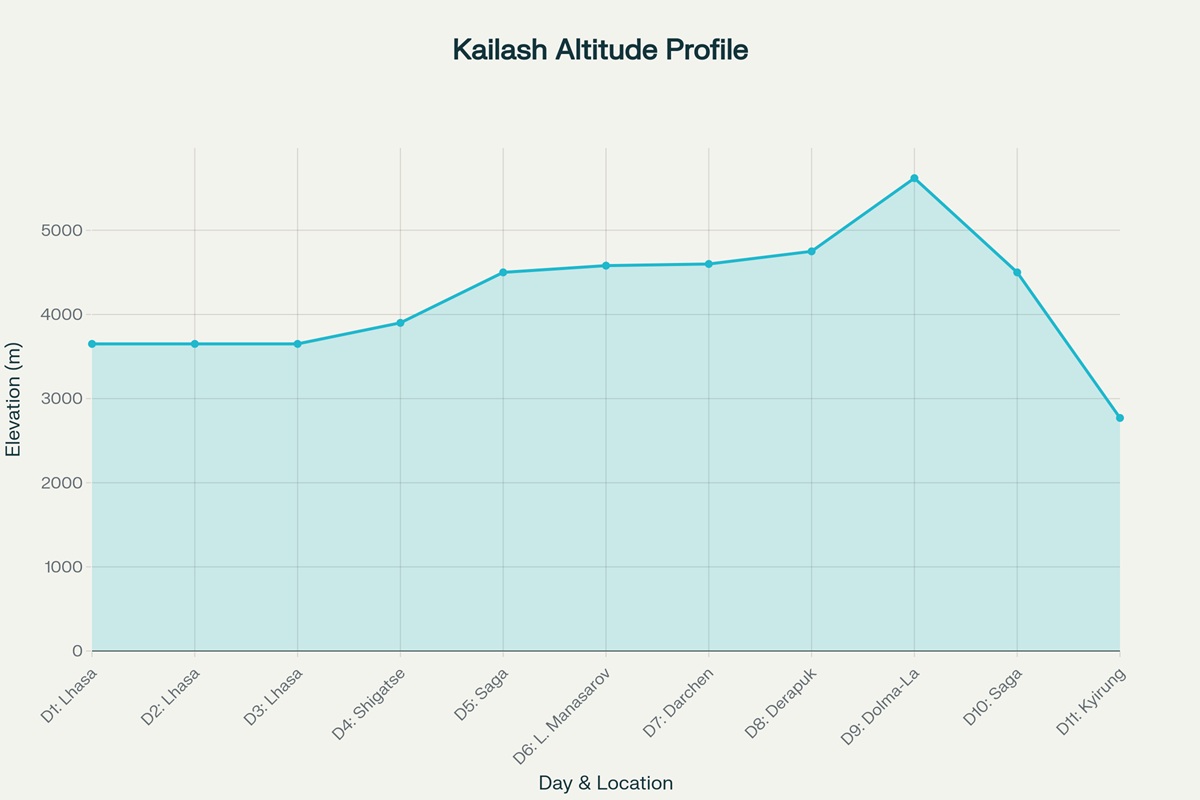
Kailash-Yatra-altitude-profile
Lhasa to Kailash Yatra altitude Proifle
  • Begin your trip in Lhasa ( 3,650m) and stay for the first few nights to acclimatise.
  • Travel westward through the Shigatse/Ngari region and arrive in Darchen ( 4,500-4,700m) for a gradual ascent.
  • On the Kora (circumambulation) of Mount Kailash, Day 1 begins at  4,560m (Darchen) and increases to  5,210m at Dirapuk.
  • On day 2, you will cross the highest point at Dolma La Pass ( 5,630m) before descending to  4,790m at Zuthulpuk.
  • The average altitude of the Kora is  5,000-5,600m for the trip.

Acclimatisation plan (recommended)

  • The first nights in Lhasa allow for stabilisation to  3,650m for the ascent.
  • Progressive ascent is better than a big jump to extreme altitude from Lhasa → Darchen and then to do the Kora.
  • Rest or shorter walking periods at higher stops (Dirapuk and Zuthulpuk) will give further recovery time to adjust to altitude.
  • Maintain a healthy hydration and avoid parents from higher levels of descent and from ACL uncertainty, and also continue to monitor altitude sickness symptoms (headache, nausea, fatigue).

How to Be Fully Physically Prepared for the Lhasa Kailash Trip?

  • Get a health check‑up: see your doctor to make sure that you are fit for high altitude and do not have any heart, lung or blood pressure problems.
  • Start doing regular cardio: At least 30 minutes of brisk walking, running or cycling most days for a couple of months will help you!
  • Train using walking with load: Long walks (4‑5km or further), and include a small backpack 1-2 times per week to simulate trekking.
  • Strength in your legs, core, and balance: Squats, lunges, planks and stair climbing exercises all help to prepare you for the rocky ascent/descent.
  • Loosen and stretch: Hamstrings, calves and hips take a pounding, include yoga or stretching sessions to minimise injury risk.
  • Acclimatise in advance: Try to arrive a couple of days before the main trek starts so that your body gets used to higher altitudes.
  • Stay hydrated and eat for fuel: Stay hydrated by drinking water, feed your body well with good nutrition, so that your body is quick to recover during training.
  • Break in your gear: Put on the boots, shoes or backpack you plan to use when you hike during training hikes so nothing feels unfamiliar or uncomfortable when you are actually on the trek.
  • Educate yourself on signs of altitude sickness: headache, nausea and panting. If you get them, you should ascend more slowly or go lower.
  • Keep a positive attitude and sleep well: The trek is not only physically demanding, but also mentally exhausting. Rest, stay the course and enjoy the ride.

What To Do If You Can’t Complete the Kora of Mount Kailash?

If you are not able to do the full kora around Mount Kailash, this is what you can do:

First, if you feel unwell or are finding things difficult, then stop somewhere safe and make your guide aware as soon as possible. Many operators insist that there’s no shame in giving up if you begin to suffer from altitude sickness or become exhausted.

Next, you may decide to leave early, giving up after Day 1 of the kora and returning to your base camp or hotel rather than attempting the full route.

You do still have choices: you can spend the extra time resting up, with side visits to monasteries or the sacred lake (Lake Manasarovar) and soak in some of our spiritual atmosphere.

Lastly, consider it as part of your journey, not a disaster, the fact that you even attempted a sacred pilgrimage has value. By focusing on their health first, at least you can travel back safely one day and maybe visit at a later stage.
Itinerary

Lhasa to Mount Kailash Mansarovar Tour, covering the sacred kora (circumambulation) of Mt.Kailash itself, takes you on a pilgrimage trip full of spiritual experience and unique landscape across the Tibetan terrain. We coordinate frequently to make this trip for you around the year, to make your journey easy, safe and full of rewards. Pricing begins at USD 2,500 per person for groups of 4–6 travellers. Feel free to reach out to us for more information. This trip is lead by our very trusted guides: Tenzin Nyima, Mr Puchung, Chime Tasi, Sonam Tesi Sherpa and Dawa Sherpa​ , who will treat you to all of the traditional Tibetan hospitality during your travels with them.

Trip PlanExpand all
Max Altitude: 3650 Meals: BreakfastAccommodation: Hotel

The first day of the Lhasa to Mount Kailash Tour starts with your arrival at Lhasa. We will greet you at Lhasa Gonggar Airport or hotel on your arrival day (one day ahead of the tour starting day). We will accommodate you at the transfers and provide an easy, light introduction to the city for your body to get used to, with its 3,650 meters above sea level.

After you check in, we’ll suggest a gentle walk around the Barkhor Street and have some slow breaths, watching local life circle by. Pilgrims will be walking around the Jokhang Temple, spinning prayer wheels, and doing prostrations around a stone-paved circuit.

The opening hours let you soak up Lhasa’s rhythm: shopkeepers offering colorful tchotchkes, old women in aprons selling butter tea, yak-hair tents folded against alley walls.

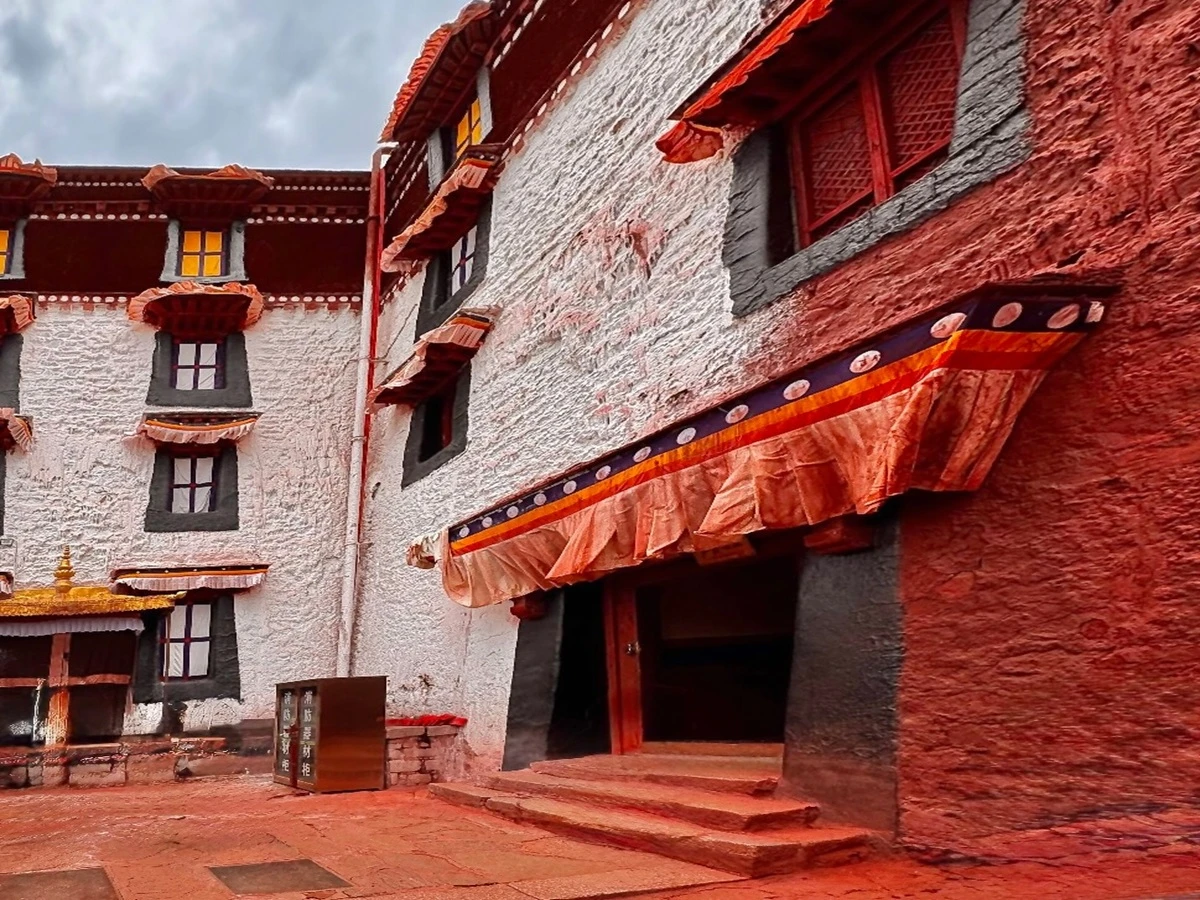
Then in the afternoon, have a short leisure visit to see the nearby Sera Monastery or Potala View Point (from Potala's gate side), so that you can know more about Tibet and you don't need to worry too much. You’ll learn about local dress, and how prayer flags and mani stones embody faith; you’ll even find out why roofs are red and white.

Max Altitude: 3650m Meals: BreakfastAccommodation: Hotel

In the morning, we start our journey from Jokhang Temple, the soul of Lhasa, and slowly penetrate into the inner core temple to avoid overstrain. We mention the statues and the murals, and we indicate pilgrims’ offerings: silk khatas, incense, strings of prayer flags. As we stroll, a guide breaks down the significance of circumambulation and demonstrates how to spin the small, low prayer wheels made of bronze. 

In the afternoon, we stroll down Barkhor Street and along the smaller lanes nearby, observing daily business where traders display yak butter, hand-woven rugs, and religious goods. You’ll encounter Tibetans in street clothes and nomads from the region who visit the city dressed in heavy wool coats. 

In the evening, we will head up to a rooftop café to see the sunset behind the Potala Palace, casting the city in warm ochre. You will go back to the hotel for an early, light dinner and a briefing about the next day.

Max Altitude: 3650 Meals: BreakfastAccommodation: Hotel

The next day, we get up early and go to the Potala Palace. We stroll through the outer courtyards and see the palace’s stepped white-and-red walls framed against a blue sky. Instead of long climbs indoors, we keep the visits short and spread them out to spare your breath. Our guide will tell the tales of the Dalai Lamas and identify architectural details  carved eaves, prayer halls, the angle at which sunlight alights on gilded rooftops. 

Frequently, we pause to admire prayer flags that flutter from poles on rooftops and to snap photos of the cityscape. For lunch, we go to a restaurant famous for its simple broths and steamed vegetables that are best when high-carb, high-digestible to help with acclimatization.

In the afternoon, we will visit Sera Monastery to see the raucous monk debates, where snapping hands, slapping feet, and lively voices exemplify the intensity of their debating practice. We explain the debate rules as well as what’s being argued. 

Then we stroll down the monastic lanes that are much quieter, where there are small groups of novice monks who are reciting. You will see the distinction between formal, ornate assembly halls and simple daily living quarters for where chanting and study take place. 

In the evening, we head back to Lhasa’s more tranquil streets and are accompanied by a local family or cultural worker who will explain how household shrines are arranged and how daily prayers are integrated into life.

Max Altitude: 3900 Meals: BreakfastAccommodation: Hotel

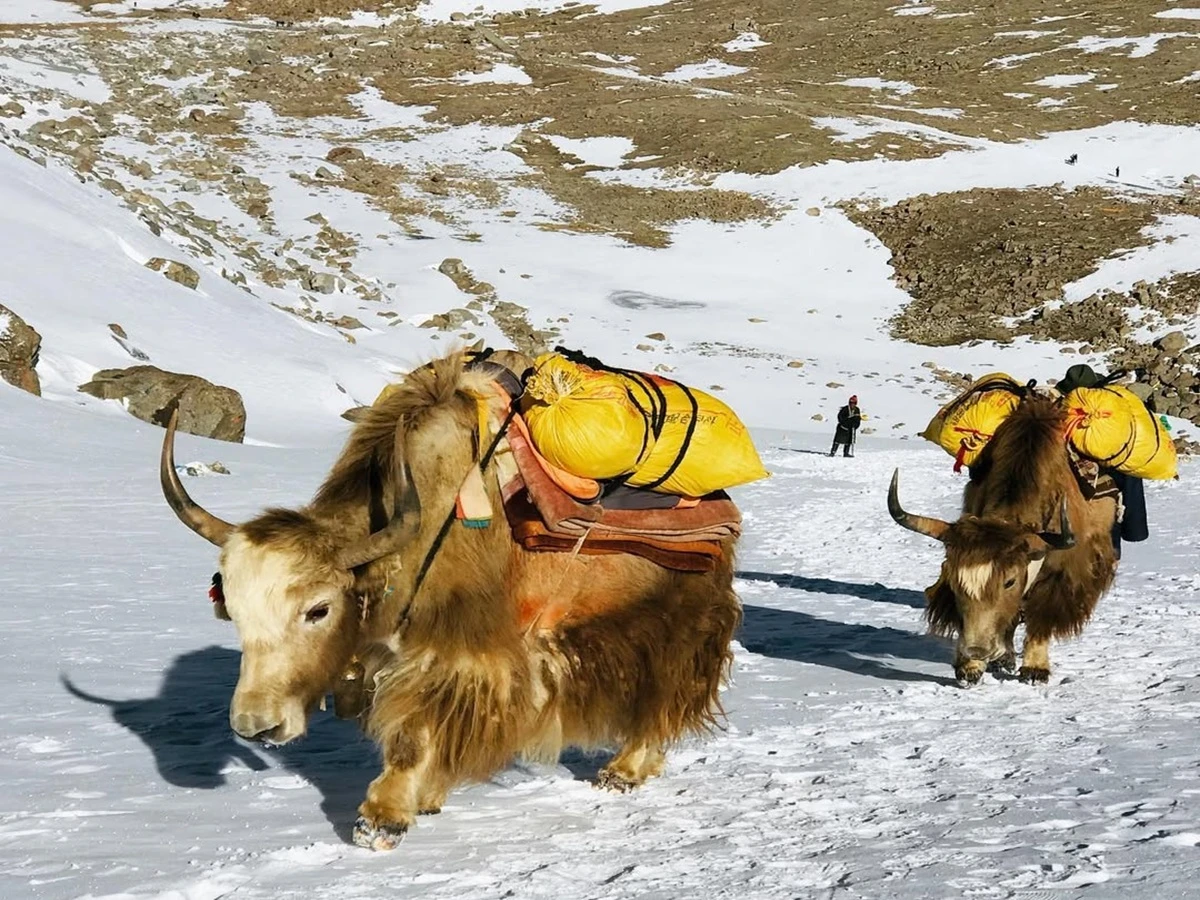
After a big breakfast, we start our journey in the morning and say goodbye to Lhasa. The trail ascends, and the landscape transforms: scrub, terraced fields, snow-capped peaks far away. We traverse the wide, high plateau, taking in small nomad encampments where yak and sheep forage. 

Our guide highlights the first of many mani walls and whitewashed stupas, describing their spiritual role and how pilgrims pause to add stones and spin prayer wheels. We pause for some tea at a roadside village house and sip simple yak butter tea and tsampa. These short stops provide a glimpse of daily life on the plateau: women weaving, children playing in dusty courtyards, men repairing harnesses.

In the afternoon, we will arrive at the Brahmaputra Valley and the fertile grounds of Shigatse. The city climbs steeply from low brick homes up to the Tashilhunpo Monastery, towering above. In the late afternoon, we pull into Shigatse, check into our guesthouse, and stroll across town to waft through latticed corridors of courtyards at the outskirts of the monastery. Here you’ll encounter pilgrims and local traders who sell butter lamps and prayer beads. 

You can get insights into the historical significance of the Panchen Lama and see the monastery’s famous huge gilded statues and rich cloths. We will enjoy a relaxing dinner tonight with hot noodle soups and sleep overnight at a hotel.

Max Altitude: 4400 Meals: B/L/DAccommodation: Hotel

Today, we will leave Shigatse after breakfast and drive west to Saga in the morning. The road ascends out of the river valley to a more open, wind-swept plateau. You will pass scattered herder tents and stone corrals where the hardy yaks and dzomos graze quietly. We will pull over at scenic overlooks to take pictures of distant mountain ridgelines and wide-open skies that extend into eternity. 

We will cross high passes and gemstone streams that slice straight through the plain. You will see homes become fewer and smaller, and life depends on simple, resilient tools. On the roadside, you will also witness moss-sheathed mani stones and prayer flags slapped by gusty winds.

In the late afternoon, we will arrive at Saga and check into a guesthouse. The people of Saga (a combination of Tibetan and Han traders) give rise to a strange mixture in terms of dress and food. We will have just a small briefing and recommend retiring early you will rise fresh tomorrow for the drive to Mansarovar.

Max Altitude: 4500 Meals: B/L/DAccommodation: Guest House

We leave early in the morning, riding towards the high bowl which cradles Lake Manasarovar. The ascent is an easy one; we ascend slowly and stop frequently to stretch our legs and take pictures. En route, we traverse vast salt flats, glaciated ridges, and small hamlets with yak-herders. You will see the harsh colors of the landscape: the ochre plateaus, sapphire glimpses of the lake in the distance, and bands of permanent snow that are white.

In the afternoon, the road reaches Lake Manasarovar. It is a peaceful, reverent feeling in contrast to that dark blue water and bone white wasteland shore. We emerge for a walk along the edge, the wind blowing coolly across us, and pilgrims building little shrines. The guide indicates Mount Kailash across the flat plains and pulls myths out of thin air about why people would come so far to touch this one spot. 

You'll encounter pilgrims from Nepal, India, and the Tibetan villages along the shores performing ritual baths or lighting butter lamps. And as evening descends, colors change to muted pinks and purples across the water. We camp or sleep in a simple guesthouse, and we share a hot meal of local stews and tea.

Max Altitude: 4600 Meals: B/L/DAccommodation: Hotel

Today, we will wake up to the silence of the lakeside and a grand view of Mount Kailash in the background. We will have a light breakfast, and then pack everything, driving the short distance to Darchen, which is the plain that marks the beginning of the Kailash kora. The approach provides shifting views of the mountain: sometimes remote and august, towering close enough to see every ridge. 

We will pass by some small stalls where pilgrims purchase offerings  butter lamps, yak-butter and long silk scarves. You will come upon pilgrims who are making preparations ceremonially: some accept blessings, others repair prayer flags, and many adjust the loads that they would carry on a kora.

In the afternoon, we will check into basic accommodation in Darchen, then walk through the small town to watch pilgrims go by. We will encounter caravan leaders, muleteers and the elderly who have come to fulfil vows. 

Following a light dinner and an early night, you are now well prepared for the first day of your kora tomorrow! This day balances practical preparation for that culture of devotion with the culture itself, among those who will come here for devotion and renew themselves.

Max Altitude: 4800 Meals: B/L/DAccommodation: Guest House/Lodge

We will begin the kora (circumambulation) early in the morning to avoid crowds and enjoy some clear air. It's a moderate climb, with plenty of time to walk around the mountain initially in the wide open plain and later on increasing rougher terrain. We will stop at prayer sites to stack new stones on top of cairns and spin oversized mani wheels that line the path in an orderly fashion. It describes what each site means and explains how to respectfully and safely travel there.

Late in the afternoon, we will arrive at Derapuk, a huddle of rough shelters and flags that brighten a rocky ridge. As we approach the camp, we can witness a more intimate view of the lower cliffs of Kailash.

In the evening, we will rest in tents, eat warm communal meals that are shared and swap stories with co-pilgrims. Tonight we will arrange clothing and trekking boots for the early morning, start cold pass crossing Dolma-La Pass tomorrow.

Max Altitude: 4700 Meals: B/L/DAccommodation: Guest House

We will start our journey to Dolma-La Pass early in the morning. We will hike slowly and deliberately, with frequent halts for air and to enjoy the colours of sunrise on ice and stone. At points, the route becomes challenging, which tests your stamina and humbleness as the path continues to narrow and snake upwards over scree slopes. 

On the way, you’ll encounter pilgrims doing full-body prostrations, others chanting softly; the air seems heavy with purpose. At the pass, we are among many who stop to leave scarves and ring small bells. From the pass, you can have an impressive 360-degree view of ranges looking north to a flat plain down towards Manasarova. 

We will make our way down towards Zutulpuk by midday. The descent offers new vistas: root-filled shadows in gullies, cliffs capped with ancient rock etchings and patches of prayer flags signalling safe routes. 

In the afternoon, we come to Zutulpuk, where there is a great gathering of pilgrims who have crossed the pass. In the evening, we relax in simple guest rooms, regardless of itinerant, we’ll sleep in tents or a roof over our heads, eat communally and discuss the passage.

Max Altitude: 4400 Meals: B/L/DAccommodation: Hotel

We will depart Zutulpuk in the morning with a light breakfast and follow up with a trek towards Darchen. The early morning hours allow us to proceed leisurely, observing pilgrims who complete the entire kora and those who are about to set out. We will stop to take pictures, squeeze in one last prayer round at shrines we passed days before, making note of small changes  an added scarf here, a fresh layer of yak dung on a burner there. 

We will stop at Darchen to take a break, and as we rest in the town, which has returned to its quiet following the exodus of pilgrims getting ready to leave carrying their loads. 

In the afternoon, we will depart from the mountain plains and head to Saga. We will pause at tiny settlements to visit families and taste local breads and soups. As late afternoon rolls in, Saga’s familiar profile looms into view. 

The evening is a quiet night to catch up on sleep before our impending long drive down towards Kyirong and the border tomorrow. The day is a mix of kora reflection, practical travel time and a light return to common rhythms of eating and sleeping.

Max Altitude: 1350 Meals: BreakfastAccommodation: Hotel

The last day starts with an early departure from Saga on the descent off the Tibetan plateau down to warmer, greener valleys scattered with villages and terraced fields toward Kyirung. You will stop to stretch en route, camp/travel through local markets where Tibetan and Nepalese cultures converge get instructions about the next border procedures. 

You'll then drive on to Kyirung in the afternoon for customs and immigration formalities before being introduced to Nepalese transporters and porters for the crossing into Nepal. As you make your way onwards to Kathmandu, you will remember the landscapes you have journeyed as well as its rituals and human warmth before reaching (or staying in Kyirung if required) the city to close with a good meal, filled with a sense of accomplishment.

Couldn't find what you're afterReach out to our travel experts.
Cost Details
Includes
  • Hotel/Guest House Accommodation as per program  
  • Private Transportation by Van
  • All necessary Tibet Travel and Trekking permit
  • English-speaking Tibetan Guide
  • All Sightseeing and Entrance fees are as per the itinerary.  
  • Meal plan on B/B Basis
  • Border to Kathmandu by Jeep drive 
Excludes
  • Lunch and Dinner
  • Insurance of any kind.
  • Hiring porter/ horse
  • Rescue and Evacuation Service
  • Any additional costs due to natural calamities, unknown circumstances, etc.
Route Map
lhasa-mount-kailash-manasarover-tour-map
Essential Information

Accommodation Standards on the Tour

Accommodation on this 11-day trip is from comfortable hotels in Lhasa and, possibly, Shigatse to very basic guest‑houses at Kailash and Lake Mansarovar. The remoteness of western Tibet means that where you sleep in the kora zone and at altitude will be basic, with small rooms, shared bathrooms, fewer comforts and patchy heating. The accommodations offer clean and safe establishments, but do not expect luxury except in the form of rustic comfort. 

During your time in Lhasa, you may have all of the amenities and services you expect of a hotel, yet in the later days of your stay, your time in Lhasa will be spent relaxing, acclimatising to the altitude and engaging as deeply as possible in reflection and contemplation. Knowing this in advance allows for the packing of a good sleeping liner, some warm clothing layers, and less demanding expectations.  The stark difference between the 'city-hotel' and the more remote guest-house adds to the appeal of the journey.

Single‑Room Supplement & Sharing Options

  • In larger towns/hotels along the itinerary, you may be able to upgrade to a single room (at additional cost) rather than sharing a room/twin accommodation. 
  • In very rural guesthouse-style places (e.g., during the kora around Mount Kailash), only the most basic shared accommodation (3 or 5 people, or dorm-style) may be available. 
  • If you wish to have a room to yourself, please contact your tour operator in advance and budget the single occupancy supplement. 
  • The benefit of sharing with another traveller is reduced cost to you; however, be prepared to share less privately in very rural guesthouse-style accommodation.

Meals facility During The Lasha Tour With Kailash Yatra

Before reaching Mount Kailash

While reaching Kailash and in Lhasha we will provide 3 meals per day (breakfast, lunch and dinner), which will almost all be vegetarian and light for digestion. If you prefer non veg meals talk to you travel operator before departing.

Breakfast will typically include porridge or muesli, bread or toast, and/or hot tea or coffee. 

For lunch and dinner, we will typically provide rice, chapati/roti, a meal that includes vegetable curries, dal, and plain vegetables, often prepared by the operators' "set menu" kitchen. 

Fresh fruit and bottled water will be provided, though limited, the further along you go (i.e., availability is less frequent).   

During the Kora around Mount Kailash

Once you start the trek (or kora) around Mount Kailash - especially in the more remote high-altitude areas- meal facilities become simpler and more basic. 

At teahouses, monastery guesthouses or supply points, expect instant noodles, soups, a dish that includes rice or roti, and Tibetan-style dishes.  Because of remoteness, take the advice to bring supplemental snacks (e.g., nuts, dried fruit, energy bars) for trek days. 

Hydration (with warm drinks, hot water) of many kinds will be emphasised.  Meals less fancy and more fuel-based food, meant for the physical challenges of the kora circumambulation, over gourmet comforts. 

Transport and  Vehicle Details Through Tibet

Transport on this journey will be in a high-quality 4WD van or SUV, suitable for the rough Tibetan plateau roads.

The tour operator will arrange for all vehicle transfers, provide an experienced driver who has driven at high altitude, and carry your bags. 

Starting, you will travel from the City of Lhasa through Shigatse (or similar) onto Darchen/Ngari, before heading on the kora and onto Lake Mansarovar, which will mean long days of travel, high passes and remote tracks.  Vehicles need to be reliable and well-equipped, as it is your comfort and safety. 

Alternating between driving and walking will require shifting your luggage as well. You will use a day-pack for your walking days, while the main bag will either travel with you in the support vehicle or get moved without you to wherever you will spend the night. 

Understanding this transport plan in advance will help you pack correctly and make preparations for that day's rest or acclimatisation. 

What to Pack for the Lhasa Kailash Journey?

  • Dress in layers: long underwear, fleece/jacket and then a windproof jacket. There are extreme temperature swings on the plateau.
  • Boots or footwear with ankle support, and a pair of casual shoes or sandals for around camp /rest stops.
  • Day‑pack for essentials (water, snacks, sunscreen) and a main luggage for transit.
  • Toiletries, first‐aid kit (plasters, antiseptic, crepe bandage) and medicines to prevent altitude sickness or any other common illness.
  • Sun protection: UV sunglasses, sunscreen and lip balm, hat. Their elevation makes for strong sun.
  • Refillable water bottle, high-energy snacks (nuts, dried fruit chocolate) for trek sections.
  • Paper copy of your documents and travel permit folder (you will need special permits to Tibet).

Footwear and Trekking Gear Recommendations

Boots: Wear waterproof hiking boots that are well broken in and feature good tread and ankle support. Don't slip or twist while changing positions.

  • Socks: Pack one good-sized handful of wool or synthetic 'warm & dry' socks. One dry pair for sleeping.
  • Walking poles: Very useful for stability on uneven ground.
  • Day‑pack: 20‑30L for water, food, layers, camera. Don't overload.
  • Optional gear: Snow/mud gaiters if it's trekking season; lightweight tent, sleeping bag, if camping in more remote locations

Luggage Recommendations and Day‑pack Suggestions

  • Two bags: one main baggage (for use in lodges) and a day‑pack for the few days of active trekking.
  • Make sure your main luggage is robust and easy to label: transfers between remote airstrips can be rudimentary.
  • The Day-pack: Include water, layers you may need throughout the day, snacks, camera and sun-protection items and any personal medication needed for easy access.
  • Be prepared: There may be no facilities in the remote, so take extra layers, battery banks and spares.

Read More Related to Kailash and Tibet

FAQs

You will usually have a professionally trained, English-speaking guide familiar with the Lhasa‑Kailash trail and the significance of things along the way. If you would like a guide who speaks your language (Urdu or Hindi, for example), ask for this when making a booking, some companies charge an additional fee.

For the Lhasa‑to‑Kailash section, you'll travel in a high‑clearance 4WD Jeep or SUV, which has been modified to meet Tibetan plateau cruising standards; so that means better comfort and reliability on back roads. The operator will also have accompanying transport of luggage and supplies to facilitate the journey.

In the normal 11‑day itinerary, helicopter flights are usually not included because they add a significant expense; the route is on land from Lhasa to Darchen and Kailash. If you are keen on a helicopter option (i.e., from/to Ngari/Gunsa airport), ask your operator about "upgrade" options.

You typically do the 3‑day kora (roughly 52km) from Darchen via Dirapuk and Zuthulpuk as overnight campsites before returning to Darchen. The guide will make arrangements for the transport of heavier luggage and lend a hand during walks so that you concentrate on the spiritual experience.

Your operator arranged guides will also bring a first‑aid kit (including a pulse oximeter, oxygen cylinder and two-way radio in remote areas). If you get higher altitude sick or any serious emergency, our guides support will take you to a lower altitude ASAP, and it can arrange departure fast for medical.

Yes, if you let the tour company know beforehand, they will provide vegetarian or vegan meals in Lhasa, on the road and at guest‑houses near Mount Kailash. Even so, in very remote areas, you might have limited choices, so it's worth packing snacks or the supplements you're used to.

Since some of the roads can be rough and you will change vehicles, luggage is restricted to one medium‑sized bag & one carry‑on/backpack. Trying to over‑pack makes it more difficult (and uncomfortable) to get around, so plan on bringing light, easy‑to‑transport gear you can carry nearly anywhere.

Your guide and driver will be waiting at the airport to transfer you into town. Tipping your guide and driver is standard (and optional) once you're happy with their service. Pony/horse hire on the kora, bottled oxygen or personal laundry in isolated guest-houses are among other "extras" that may be requested and must always be paid for locally in Chinese Yuan.

Because you are travelling in a less frequented area, your travel agency will follow the status of the roads and permits, and may change the itinerary (for example, fly from Ngari to Lhasa or drive alternated roads). These fallback plans are part of the cost and logistics, so make sure your operator is very clear about how they mitigate such things.

If you return to Lhasa at the end of your itinerary, most tour companies will provide luggage storage so that you can enjoy a last day in the city. That way, you can travel with a bit less stuff on your return and collect your luggage before departing.

Unforgettable Travel Experiences
September 15, 2025
A memorable Kailash yatra with professional logistics

The best part of this 11-day trip was that I not only got to see Mount Kailash and Lake Mansarovar, but I also didn't have a thing to worry about with...

read more +
D
Daniel Müller
Germany
April 13, 2025
Well‑paced journey that respects the region

What we appreciated most about DreamTibet was the way they paced our 11‑day tour: We never felt rushed but still saw all key sites from Lhasa, Ngari, Darchen, the kora and...

read more +
A
Amelia Carter
Australia
October 08, 2024
Culture, comfort and pilgrimage all in one

This trip with DreamTibet was the ideal combination of comfort and adventure: you won't have luxurious accommodation, but everything went so well, it will not feel rugged. The guide told stories...

read more +
H
Hiroshi Tanaka
Japan
Need Help? Call Us.+977 9851162422