Asthapath Tirthapuri with Kailash Darsan Yatra
Asthapath Tirthapuri with Kailash Darsan Yatra 11 Days

Asthapath Tirthapuri with Kailash Darsan Yatra 11 Days

Duration11 Days
Trip GradeModerate
Maximum Altitude5,613m
ActivitiesAshtapad Jain Tirth, Lake Mansarovar, Mount Kailash, Tirthapuri
Group Size12 Pax (Hindu and Jain Tirth)
StartsKathmandu
EndsKathmandu
Best TimeApril to June and August to November

Ashtapad Jain Tirth Kailash Parvat is the sacred place of Nirvana of the first Jain Tirthankar, Bhagwan Rishabhdev. It's situated at an altitude of 4,900 meters on the southern face of the sacred Kailash Parvat. This Tirthapuri tirtha yatra begins from Kathmandu. It takes 11 days to cover the high-altitude overland journey via the Kyirung border to the sacred hot springs and the legendary "Eight Steps" of Ashtapad. To know how to reach the Ashtapad Jain Tirth, pilgrims must arrange a Tibet Travel Permit to enter the restricted area via Darchen. This provides the only means of access to the site.

Asthapath and Tirthapuri with Kailash Darsan 11 Days Overview

This 11-Day trip with a combination of Kailash Darsan and Holy Sites like Asthapath and Tirthapuri is a spiritually enriching experience. The pilgrimage provides traditional Kailash Mansarovar Yatra experiences along with Traditional Sites, Asthapath and Tirthapuri, and has a deep religious connection. Unparalleled opportunity to see the Himalayas (Mountain Range).

This journey starts in Kathmandu, Nepal, then travels overland through Tibet and continues through the incredible high plateau through ancient monasteries, clean lakes, and much more until finally ending with an extraordinary experience around the revered Mt. Kailash in the Hindu, Buddhist, Jain and Bon faith.

Travellers will begin in Kathmandu. They'll proceed to Kyirung, at the border of Nepal and Tibet. Also, they'll continue to Saga and Darchen, at the foothills of Mount Kailash, a sacred destination in all major religions such as Hinduism, Buddhism, Jainism, and even Bon.

Along the way, travellers will visit Lake Manasarovar. It's a sacred destination considered to purify all pilgrims. So, they'll proceed to the traditional trek to Kailash Parikrama or kora. This culminates in an ascent to high-altitude peaks such as Dolma-la, where you'll witness breathtaking views from atop.

There will be several set trips to Tirthapuri, where there are hot springs that are holy. You will also be able to see Asthapath, which is known in history as a Jain pilgrimage and is said to have been associated with the enlightenment of Lord Rishabhanatha.

Access to the Asthapad Mountain itself is controlled by the authorities. But many itineraries offer alternative access with permits or viewing points. The Kailash Asthapath Yatra 2026 is one of the most sought-after itineraries. It offers spiritual and geographical depth, and it draws pilgrims from all over the world.

For travellers who are budget-conscious, the lowest price for the Kailash Asthapad Yatra begins at $1350. But it should be noted that prices can vary according to the number of travellers, time of year, and other factors. The price can be higher, depending on the services included. But it offers travellers an entry point for one of the world's most spiritual pilgrimages.

Highlights of Kailash Asthapath With Tirthapuri Tour from Nepal

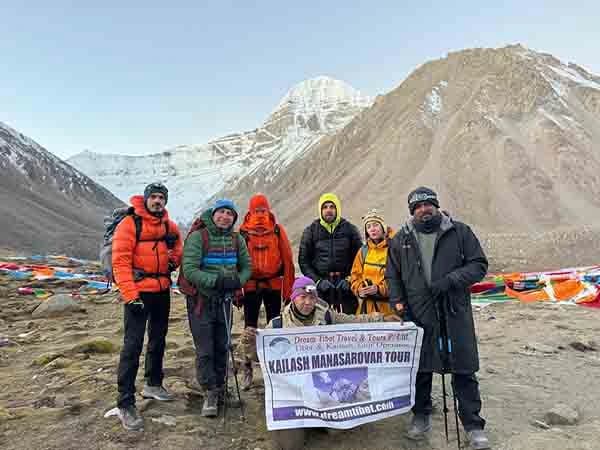
  • Full Kora (Pilgrimage) around the holy Mount Kailash, sacred to Hindus and Buddhists, Jains and followers of Bon.
  • In the early morning, make a holy darshan and take a bath (holy dip) on Lake Mansarovar, 4,590m in diameter. The beautiful turquoise Lake is situated near Mt. Kailash.
  • Visit Tirthapuri hot springs, which have therapeutic mineral waters and Guru Padmasambhava meditation caves.
  • Pilgrimage to Ashtapath, the sacred Jain holy place, where Lord Rishabhdev attained liberation.
  • Cross Dolma La Pass, 5,630m, the spiritual high point, where pilgrims symbolically shed past sins.
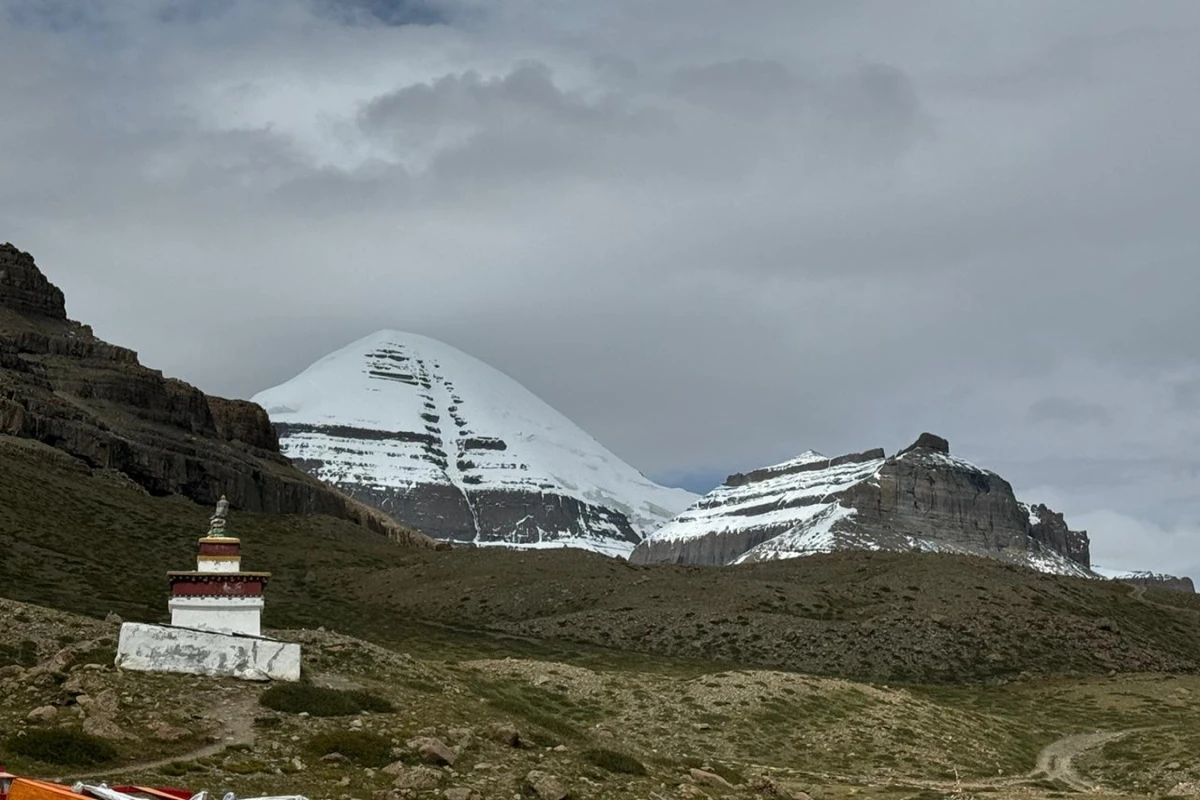
  • Breathtaking view of Mount Kailash's north face from the Diraphuk monastery camp.
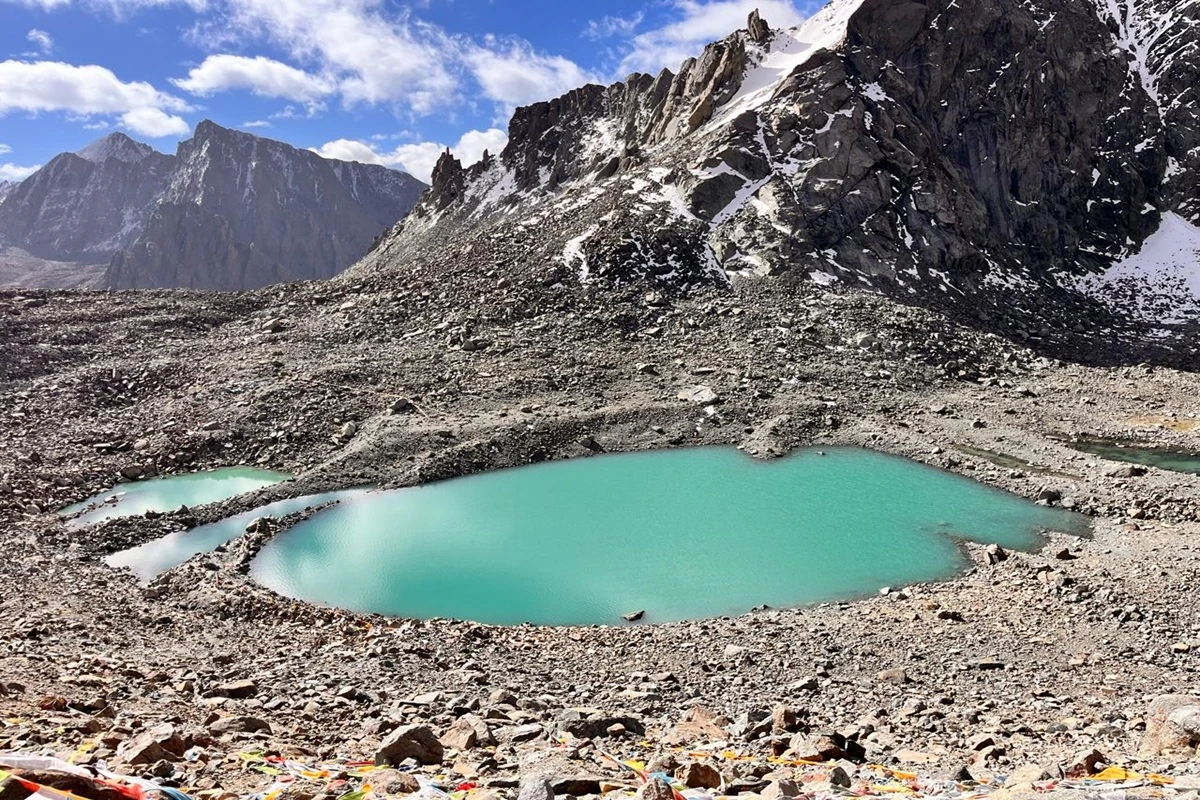
  • Holy dip in the sacred Gauri Kund near Dolma La Pass.
  • Camp at two ancient monasteries – Diraphuk and Zutulpuk – en route to the kora.
  • Venture across the enormous Tibetan plateau with sweeping scenery and nomadic communities.
  • Cross two high passes, including Gyatso La (5,200m) and Mayum La (5,200m).
  • Visit Choku Monastery and the holy flagpole of Tarboche.
  • Receive blessings and collect sacred water from Mansarovar.
  • Experience traditional Tibetan Buddhist culture, prayer flags, and spiritual activities.
  • Trek for three days over 52km at an extreme altitude.
  • Acclimatise in the beautiful Kyirung valley with hot springs.
  • Marvel at spectacular Himalayan sunrises and sunsets over sacred peaks.

The Essentials About Ashtapad Jain Tirth Kailash Parvat Yatra

Duration

11 Days (Kathmandu to Kathmandu)

Highest Point

5,645m (Dolma-la Pass)

Ashtapad Elevation

4,900m (16,076 ft)

Trek Difficulty

Challenging (Requires high-altitude endurance)

Accommodation

5-Star (Kathmandu), 3/4-Star (Saga/Darchen), Basic (Kora)

Best Time to Visit

May, June, September, and October

Spiritual Significance

Nirvana Sthal of Bhagwan Rishabhdev (Adinath)

Entry Requirements

Tibet Travel Permit & Chinese Group Visa

Physical Prep

3 months of cardio & Pranayama (breathing exercises)

Jain Hospitality

Guaranteed Satvik/Jain Meals (No onion/garlic/roots)

Starting Price

Lowest cost starts at US$1350 (Group Joining)

Is the Ashtapad Yatra open in 2026 and Can You Visit? 

Due to high altitude restrictions and ongoing Chinese regulatory control, the original Ashtapad site (near Mount Kailash) will remain a restricted area until 2026. Independent visits won't be allowed at that time.

The only way visitors can view or honour Ashtapad Darshan is from nearby locations during the Kailash Mansarovar pilgrimage. So, no direct visitors will be allowed access to Ashtapad by the Tibet authorities.

But it's good news that the Kailash Mansarovar Yatra has been resumed in 2026. It was suspended for several years. And travel for Indian and International pilgrims has commenced.

Pilgrims may approach the path leading to the Ashtapad viewpoint. This follows a Kailash Mansarovar Yatra (KMY) package through an authorised operator. Group permits are issued through the Nepal/China routes. Also, many tour operators will offer optional tours of Ashtapad.

So, to view or honour Ashtapad, you'll need three things:

  • A group visa from China (processed in Kathmandu)
  • A Nepal entry visa
  • A Tibet Travel Permit
  • Independent permits aren't an option.

How to Reach Ashtapad Jain Tirth?

Via Kathmandu (Nepal)

The easiest and nearest route from Kathmandu, Nepal. Here, it's possible to obtain building permits and arrange transportation of materials. From Kathmandu, you'll have to take a road journey up to the Nepal-Tibet border. This usually starts from Kerung or Gyirong.

And then you'll continue your journey up to Saga and Darchen. Finally, you'll reach the Mount Kailash region and then the high plateau region of Ashtapad.

Via India (Uttarakhand/Sikkim)

The devotees from the state of India usually start their journey either from Uttarakhand or Sikkim. They cross the Tibet border via the Lipulekh pass in Uttarakhand or Nathu La pass in Sikkim. And the rest of the journey continues up to Lake Mansarovar and Darchen. Finally, the sacred region of Mount Kailash and Ashtapad comes in the journey.

Via Lhasa (Tibet's Capital)

Another option to get to the Kailash area is by air. You'll arrive in Lhasa (Tibet's capital). Then, you can get road transport or fly by internal flight to Ngari Gunsa. From there, it's overland towards Darchen before reaching the Pilgrim's Trail. This route follows the path over the Tibetan Plateau through the high-altitude sites of Kailash Shrine. It allows proper acclimatisation.

To Reach Ashtapad, Book A Package From Nepal

The pilgrimage trek to and from visiting the ancient sacred area of Ashtapad can also be completed with the purchase of an organised trek/package, which typically includes road/jeep travel, permits, a guide, acclimatisation days and accommodation along the Kailash Mansarovar trek.

The Ashtapad / Kailash Mansarovar trekking packages start at about US $1350 per person (depending on time of the year, services provided, group size, other inclusions) for the spiritual traveller who is looking for a meaningful experience trekking through rugged high-altitude terrain to visit ancient sacred sites.

Asthapath and Tirthapuri with Kailash Darsan Cost 2026, 2027, 2028

The cost of Asthapat yatra starts from as low as US $1,350 per person with us. In addition, we also give discounts for groups, and the below-mentioned cost is for each person, depending on the group size. The cost includes the major pilgrimage services for the sacred journey to Mt. Kailash and other sacred destinations. 

No. of Travellers

Price per Person

Availability

Book Now

1 pax

US$ 4,250

Available

WhatsApp 

+977 9851162422

 / Email 

info@dreamtibet.com

2 – 5 pax

US$ 2,850

Available

WhatsApp 

+977 9851162422

 / Email 

info@dreamtibet.com

6 – 10 pax

US$ 1,450

Available

WhatsApp 

+977 9851162422

 / Email 

info@dreamtibet.com

11 – 16 pax

US$ 1,350

Available

WhatsApp 

+977 9851162422

 / Email 

info@dreamtibet.com

How to Book This yatra at above cost?

  1. Contact Us / Travel Specialist: You can contact us by sending an email or WhatsApp to our pilgrimage support team to begin the booking process. 
  2. Provide Traveller Details: Please provide the names, passports, date of birth, and nationality for all the travellers, and we will begin the permit and visa process. 
  3. Select Your Travel Dates & Package: You can book for the year 2026, 2027, or 2028. You can also select the month you would like to begin your journey. 
  4. Confirm Group & Price: Once the number of travelers is confirmed, we will keep contacting you and inform you to confirm and let us change the price accordingly, as shown in the table below. 1 Pax – US $ 4,250, 2 – 5 Pax – US $ 2,850, 6 – 10 Pax – US $ 1,450, 11 – 16 Pax – US $ 1,350
  5. You need to pay the Booking Deposit: The advance booking deposit is required as specified by the terms of your booking, typically 20% of the total amount.
  6. Permit & Visa Processing: Your Tibet Travel Permits and/or Chinese Group Visa will be arranged by us, which is mandatory for the Kailash, Ashtapath, Tirthapuri, and other sacred areas. 
  7. Confirming Payments and Finalizing: The final payment is due approximately 2-4 months prior to your trip, and you will receive your travel schedule/permits, etc, after payment is made. 
  8. Getting Ready to Depart: Prior to departure, a full set of information about the trip will be sent to you (information about packing, acclimatizing, daily itinerary, etc) in order for you to prepare. 

What is Ashtapad in History?

Ashtapad is viewed within Jains as the most holy" Nirvana Sthal" in history (place of liberation), where the first of the Tirthankars (Lord Rishabhdev or Adinath) found liberation.

In Jain history, Ashtapad is revered as the foremost Nirvana Sthal (place of salvation), where the first Tirthankara, Lord Rishabhdev (Adinath), attained ultimate liberation. The name translates to "Eight Steps," referring to the eight giant terraces or steps that King Bharata, Rishabhdev’s son, is said to have constructed leading up the mountain.

Historically, Bharata also built a magnificent palace of crystals and gemstones at the summit to commemorate his father’s Moksha. Mentioned in ancient scriptures like the Kalpa Sutra, Ashtapad is considered a "lost tirth" by some, while modern pilgrims identify its location near the southern face of Mount Kailash.

It remains a powerful symbol of the beginning of Jain civilization and spiritual ascension.

Ashtapad Jain Tirth Kailash Parvat Distance and Altitude

Ashtapad Jain Tirth is located in the snow-covered ranges of the Himalayas near Mount Kailash and Lake Mansarovar. The site sits in western Tibet, China. Ashtapad is traditionally considered to be located 5 to 7 miles northeast of Lake Mansarovar and near Mount Kailash.

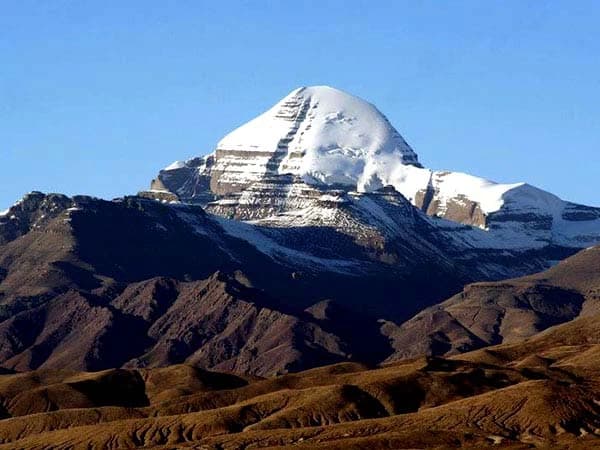
Its height is about 4,900 m or 16,000 ft above sea level, although other sources place the height of the peaks near Ashtapad as nearly 6,000 m. Mount Kailash itself rises to 6,638 m or 21,778 ft.

Day

Segment

Mode

Approx. Distance from Previous (km)

Cumulative Distance (Approx.) (km)

Altitude (m)

Notes

01

Kathmandu to Kyirung

Drive

175

175

2,700 ​

Cross Nepal Tibet border via Rasuwa Gyirong

02

Rest in Kyirung

Rest day

No travel

175

2,700 ​

Acclimatize

03

Kyirung to Saga

Drive

240

415

4,640 ​

High altitude drive

04

Saga to Lake Mansarovar

Drive

450 to 490

865 to 905

4,590 

Sacred lake visit

05

Mansarovar to Tirthapuri to Darchen

Drive

40

905 to 945

4,575 to 4,660 ​

Hot springs and base camp

06

Darchen to Ashtapad to Darchen

Trek

8 to 11

913 to 956

Around 4,900 (estimated)

Visit region near Ashtapad

07

Darchen to Dirapuk

Trek

About 12

925 to 968

About 4,900 to 4,950

Outer Parikrama start

08

Dirapuk to Dolma La Pass to Zutulpuk

Trek

About 22

947 to 990

5,630 pass and about 4,760 camp

Highest trek point

09

Zutulpuk to Darchen to Saga

Trek and Drive

About 8 trek and about 460 drive

1,415 to 1,458

About 4,660 to 4,640 

Return toward Saga

10

Saga to Kyirung

Drive

270

1,685 to 1,728

2,700 ​

Descend plateau

11

Kyirung to Kathmandu

Drive

175

1,860 to 1,903

About 1,400 to 1,450 

Cross into Nepal

Places You will Visit With Us in Just 11 Days Kailash Package 2026

Ashtapad 

Ashtapad is considered a crown jewel for Jain pilgrims, as it is said to be the place where Lord Rishabhdev attained Moksha. It is at a height of 4,900m and offers a close-up "Chhada Darshan" of the South Face. Trekkers say that though the climb to the "Eight Steps" is a strenuous one over loose shale, the reward is well worth it. In 2026, the "Fire Horse" year, this will be a "Mahakumbh" for all those seeking to find liberation.

Dolma-La Pass

At a breathtaking height of 5,645m, this is the ultimate challenge for all trekkers. This is a place where many pilgrims say they undergo a "karmic reset" and leave a piece of clothing or hair as a symbol of letting go of their old life. Though the climb is steep, the prayer flags at the top are well worth all the trouble. Just below, there is Gauri Kund, where pilgrims sprinkle water to seek Goddess Parvati's blessings.

Lake Mansarovar

This freshwater lake, with its turquoise water at an altitude of 4,590m, is the meeting point of nature and divinity. It is recommended that the most potent time to visit this site is during the "Brahmamuhurta" period, i.e., from 3 AM to 6 AM. In 2026, it was stressed that it was more eco-friendly to sprinkle rather than immerse in this water. The reflection of Mount Kailash in the crystal-clear water of this lake during sunrise was rated as the most photogenic moment of this trip.

Tirthapuri

The third most important site in Western Tibet, Tirthapuri, is known for its natural hot springs and Guru Rinpoche's footprint. After the Kora, most pilgrims soak their feet in the medicinal waters to heal any fatigue. This site also has a "Karma Hole" where pilgrims have to pull two stones to test their spiritual levels. This is the perfect spot to rejuvenate before the long trip back to Kathmandu.
Itinerary

This 11-day Kailash Mansarovar Yatra with Ashtapad and Tirthapuri trip is a well-paced and spiritually rewarding trip that begins from Kathmandu, passes through Kyirung (Kerung) to reach Tibet, and then passes through Saga to reach the holy Lake Mansarovar and Tirthapuri. After visiting Ashtapad, located near the Mount Kailash region, the traditional three-day Parikrama trek will take you through the holy sites of Dirapuk, Dolma-la Pass, and Zutulpuk, and finally return to Saga, Kerung, and Kathmandu. This trip is one of the most rewarding pilgrimage plans that is currently available.

Trip PlanExpand all
Max Altitude: 2,700m / 8,858ft Meals: Breakfast- Lunch- DinnerAccommodation: Guesthouse

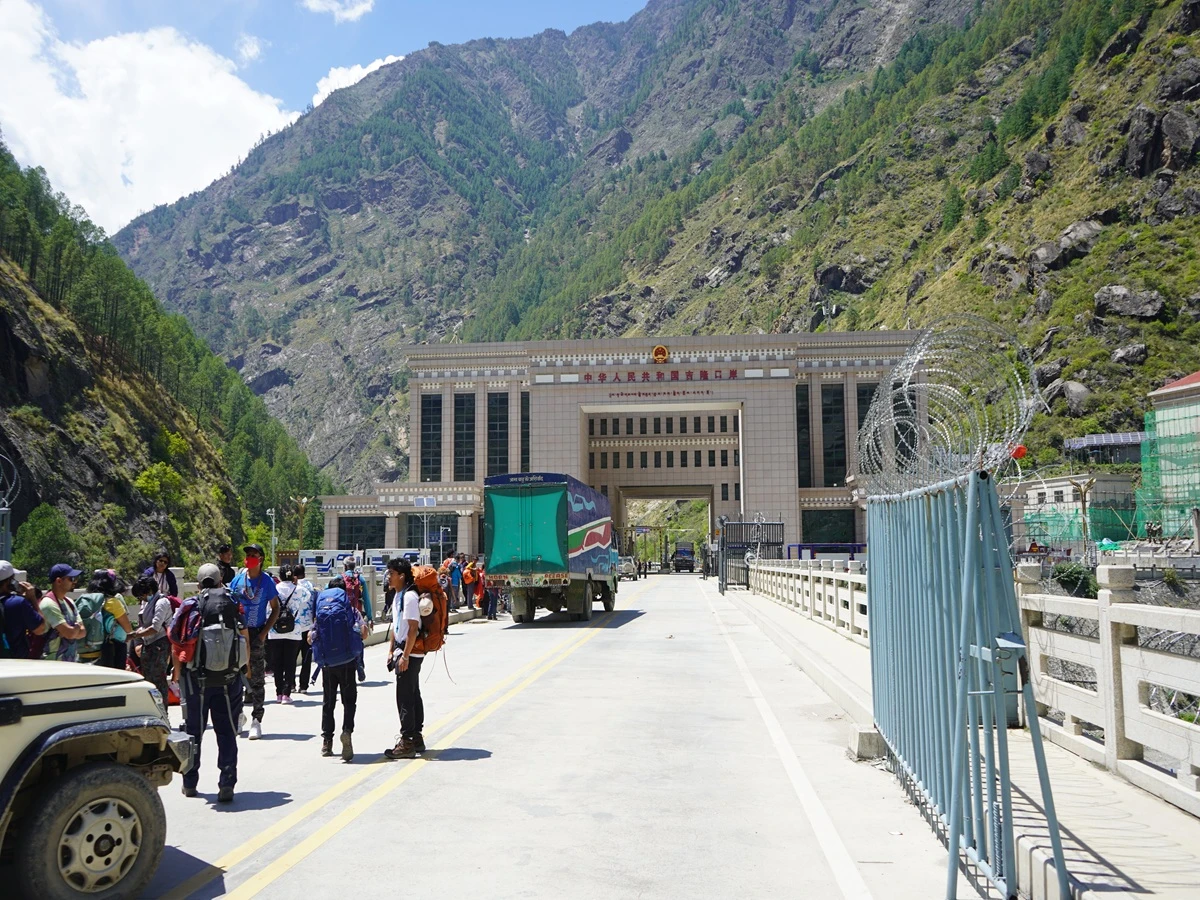
Your holy trip will start after having breakfast in Kathmandu at your hotel, you will then drive to Nepal-Tibet border. The 160 Km drive will take around 6-7 hours and takes us through winding mountain roads, terraced fields and traditional nеpаlі vіllаgеs. You’ll take a lunch break along the way at an area with a restaurant. They you’ll cross the friendship bridge at Rasuwagadhi - be prepared for lengthy immigration procedures on both sides, have all your paperwork easily accessible.

Arrival Tibet via Gyirong Port and then drive to the town of Kyirung which is located in a valley. The drive has stunning views of the Himalayas. Arrive and check-in to your guesthouse followed by dinner. The night is for rest while your body acclimatizes to the altitude. Kettle with hot water is available for your tea. This first day is a lot of paperwork, so patience is needed.

Pro Tip: Stash passport, visa and permits in a waterproof folder for quick border access. Change some Chinese Yuan in Kathmandu because ATMs are hard to find. Bring a few dry snacks and water for the trip.

Max Altitude: 2,700m / 8,858ft Meals: Breakfast- Lunch- DinnerAccommodation: Guesthouse

Today, after breakfast, the very important acclimatisation day will be spent resting and acclimatising to the high altitude of 2,800m. Your body needs to acclimatise before ascending to higher altitudes in Tibet.

You can take leisurely walks in and around Kyirung town, visit the ancient Kyirung monastery, and explore the local markets. Many tourists visit the famous Kyirung hot springs (sulfur springs), which are believed to have medicinal value. Lunch will be taken in the guesthouse (rice, vegetables, soup). You can mingle with the locals and get a glimpse of the traditional lifestyle of the Tibetans.

Today, you can meditate and mentally prepare yourself for the journey. Veg dinner will be served. Drink 3-4 litres of water to avoid altitude sickness. Rest well tonight.

Pro Tip: walk slowly, and you can take Diamox after consulting your doctor. You can carry water bottles to drink the hot water that the guesthouses provide.

Max Altitude: 4,640m / 15,223ft Meals: Breakfast- Lunch- DinnerAccommodation: Guesthouse

Have an early breakfast of tea, toast, and porridge before starting the first major ascent into the Tibetan Plateau region. Take a light lunch box provided by the guesthouse. The drive of 260 kilometres takes you through high mountain passes, including the Gyatso La Pass at 5,200 meters, with spectacular views of the Himalayas.

The landscape becomes less green and extends over the plateau, which can be quite windy at times. You’ll travel across the less densely populated area of Tibet, where you see yaks grazing on open grassland and nomad herders with their animals.

Take lunch at a food joint along the highway, serving noodles, rice, and vegetables. The drive follows the Brahmaputra River, referred to as the Yarlung Tsangpo River in Tibet. The air thins out significantly. Saga, the important stopover point, has very comfortable accommodation facilities.

Upon arrival, check into the guesthouse and have hot soup and dinner at the hotel, consisting of rice, dal, mixed vegetables, and chapati. The open vistas and the mountain ranges make the long drive very scenic indeed. Retire early, as the next day's drive is even longer.

Max Altitude: 4,590m / 15,059ft Meals: Breakfast- Lunch- DinnerAccommodation: Guesthouse

The first darshan of the sacred Lake Mansarovar, its tranquil blue waters shimmering in the clear mountain light before the almighty Mount Kailash, is an unforgettable experience that transforms every pilgrim.

Breakfast will be early bread, jam, tea and cereals. It's the longest drive of the bunch, but also the sweetest. A packed lunch will be arranged. Today's drive will take you deeper into the wilderness of western Tibet. Cross the Mayum La Pass at 5,200m. The first glimpse of the pristine Lake Mansarovar (Mapam Yumtso) with the majestic Mount Kailash reflected in the waters of this sacred lake is simply breathtaking. Many pilgrims are known to cry with emotion. 

This sacred lake is of immense religious significance in Hinduism, Buddhism, Jainism, and Bon. Pilgrims perform their puja ceremonies at the shores of this holy lake. Brave pilgrims even take holy dips in the freezing waters of this holy lake. Please note that pilgrims should limit their holy dip in the waters of this holy lake to 2-3 minutes maximum.

Dinner will be served at the lakeside guesthouses. Walk around the shores of this holy lake, and you will experience the spiritual energy emanating from it. Stay overnight in simple accommodations near this holy lake.

Pro Tip: After taking a bath in the holy waters of Mansarovar Lake, pilgrims are advised to immediately get into warm and dry clothes. Take into account that even during the summertime, the water in this holy lake is freezing cold.

Max Altitude: 4,670m / 15,321ft Meals: Breakfast- Lunch- DinnerAccommodation: Guesthouse

Wake up early in the morning to witness a magical sunrise over Lake Mansarovar, with first light touching the majestic peaks of Mount Kailash. After breakfast with hot tea, bread, and porridge, and morning prayers, proceed to Tirthapuri, a sacred pilgrimage centre, located 70 km away. This site has natural hot water springs with medicinal qualities, ancient meditation caves of Guru Padmasambhava, and the Tirthapuri monastery.

There is also a hot water spring for both males and females, where you can rejuvenate yourself in warm water. Lunch is packed. Spend a few hours there and then proceed to Darchen, base camp for Kailash parikrama. Darchen is a small village where you can find basic stores for trekking gear, oxygen cylinders, and instant noodles. Dinner is available in the guesthouses. Rest early, as acclimatisation trekking begins the next day.

Max Altitude: 4,900m / 16,076ft Meals: Breakfast- Lunch- DinnerAccommodation: Guesthouse

Have a very early breakfast. You will then prepare for tomorrow, set out on perhaps the most difficult and challenging trek of your life, the parikrama of Mount Kailash." Ashtapath, situated 2-3 hours from Darchen, is a Jain holy site, being the place of salvation of Rishabha.

You'll be taking a moderate trek to acclimatise your body to the altitude and to test your physical fitness levels. On the way, you'll be able to get a close look at the southern face of Mount Kailash. At Ashtapath, you'll be able to find prayer flags, stupas, and meditation spots where devotees circumambulate and offer prayers. You'll be returning to Darchen by the afternoon and having a hot lunch at the guest house.

This is an essential acclimatisation hike that will help us identify anyone who is having serious altitude problems before we proceed to the full parikrama. Prepare the gear, and ensure that the porters/yaks are arranged to carry the luggage. Daypacks to be under 5 kg, containing essentials only. Dinner will include a healthy meal. Early rest is mandatory.

Pro Tip: Pack only essentials for the 3-day kora: water bottles, high-energy snacks like nuts, chocolates, energy bars, warm clothes, rain gear, sunscreens, basic medications, toilet paper, and wet wipes. Porters/yaks will carry the luggage.

Max Altitude: 5,040m / 16,535ft Meals: Breakfast- Lunch- DinnerAccommodation: Guesthouse

Starting the sacred kora around Mount Kailash - where each step is a prayer and every breath an offering to the divine mountain.

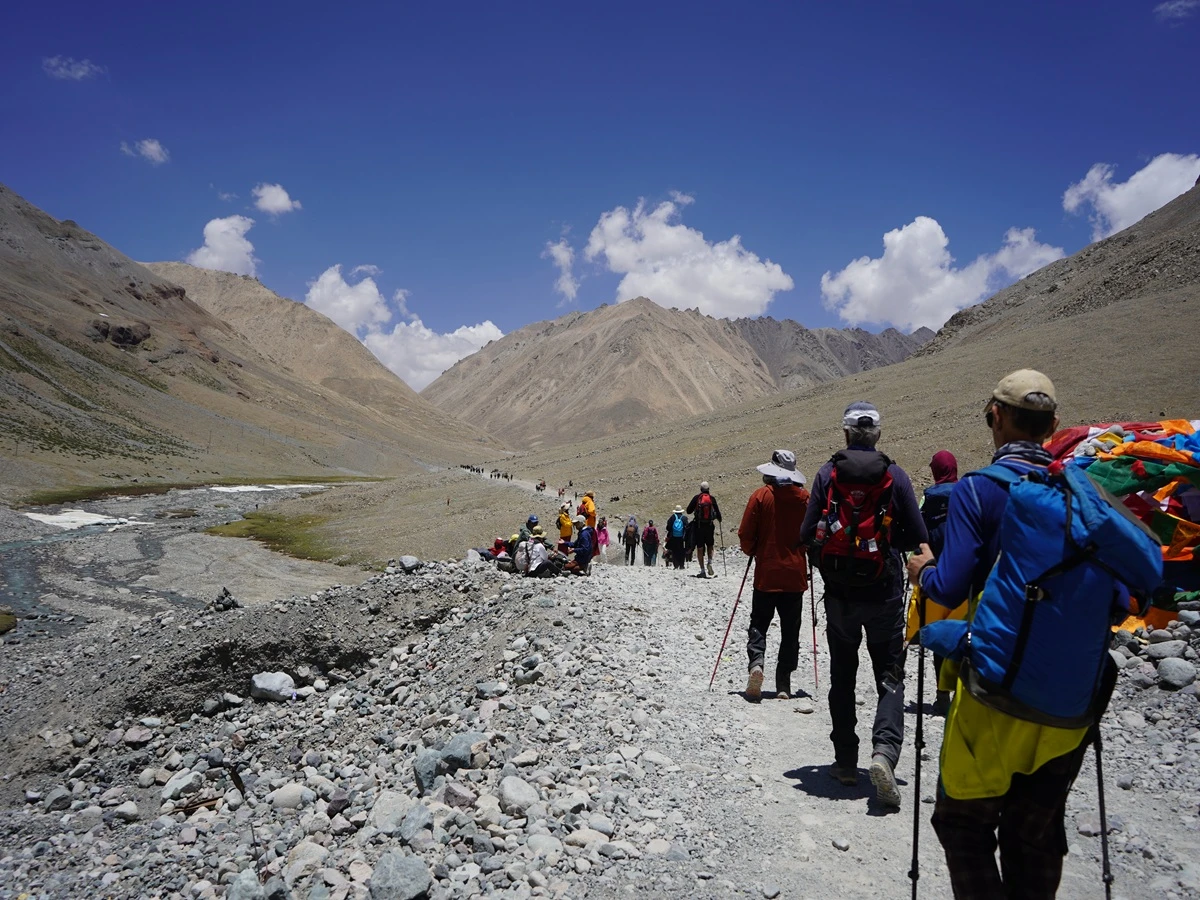
The sacred Kailash parikrama begins. After early morning breakfast, 5 to 6 AM (hot tea/coffee and cookies), we start our trek from Darchen near Lha-chu Valley. Packed lunch includes a light supper, fruit, a biscuit and a flask of soup. The first trail is the easy-going western valley with the towering south face, vying for attention on the horizon by the peaks of Mount Kailash.

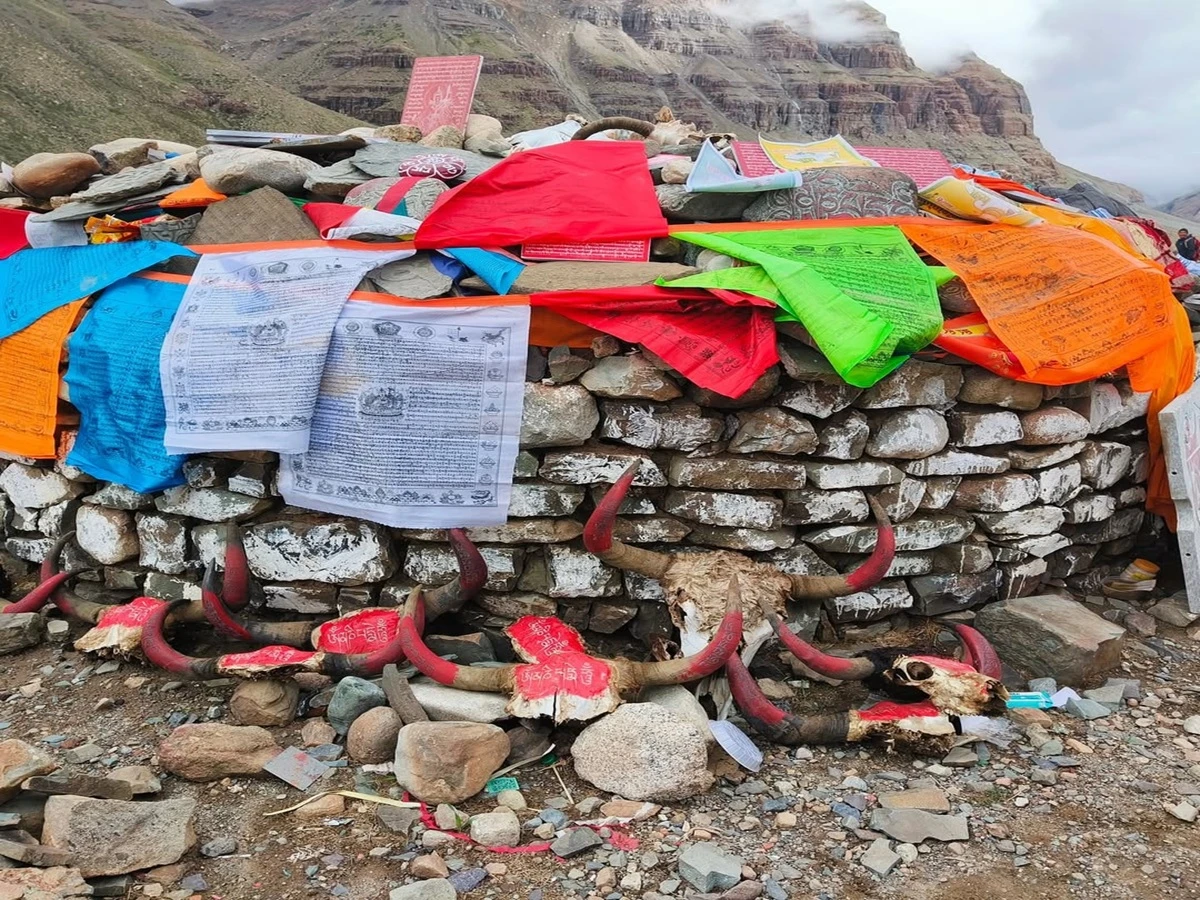
Cross over Tarboche (where annual prayer flagpole raising takes place) and Choku Monastery, which clings to the hillside. The scenery is simple but beautiful, with features such as bare mountains, fluttering prayer flags, and rocky waterways.

We gradually catch sight of the spectacular north face of Mount Kailash. The trail climbs and descends as it becomes steeper on the way to Diraphuk (Which Means female yak horn cave). Come late afternoon for hot soup and dinner (rice, vegetables, dal, chapati). The monastery here provides modest accommodation with the most amazing north face view from Diraphuk. 

Max Altitude: 5,630m / 18,471ft Meals: Breakfast- Lunch- DinnerAccommodation: Guesthouse

Dolma La Pass is the highest at an elevation of 5630 m, and is considered to be one of the most challenging and spiritually significant places for pilgrimage travellers. 

Set your alarm for 2-3 am for tea, light biscuits, and pack your lunches (energy bars, chocolates, nuts, fruit, a flask of soup). 

The climb to the summit (5630 m) will be physically demanding; the air becomes thinner, the rocks become steeper and more irregular, and the weather conditions can change from one minute to the next.

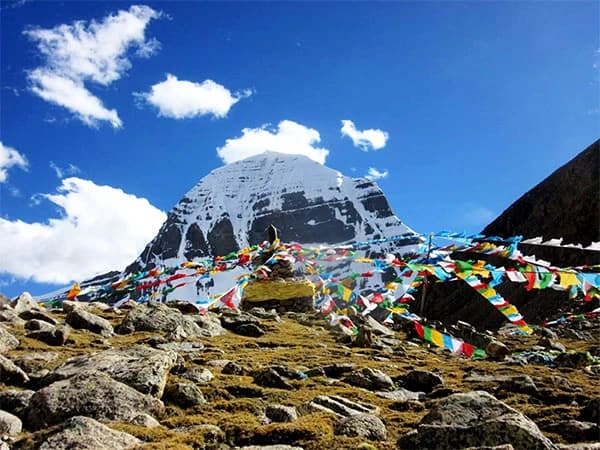
 At the top of the pass, thousands of flags flutter in the breeze - circumnavigate the sacred 'Dolma' stone, leave your past behind, shedding your past sins, and emerge reborn in the thin air at the point where the earth meets the heavens.

Start the steep descent towards Gauri Kund (sacred lake), where the brave ones take dips in the ice-cold water. Descend further down the Lham-chu valley towards the monastery at Zutulpuk, named after the miracle cave where Milarepa displayed his spiritual prowess - arrive at the monastery tired but spiritually elevated for hot soup and dinner in basic accommodation.

Pro Tip: Start the day very early at 2 or 3 AM to avoid weather changes in the afternoon and the high winds at the pass. Walk at a 'snail's pace,' stop frequently for 2-3 minute breaks, breathing in the thin air at high altitude. Use trekking sticks for support - do not stay at the summit for more than 5-10 minutes due to high altitude - descend quickly.

Max Altitude: 4,640m / 15,223ft Meals: Breakfast- Lunch- DinnerAccommodation: Guesthouse

Descend the final 10km from Zutulpuk to Darchen in 3-4 hours after early breakfast (tea, biscuits and bread). The trek follows the valley of Dzong-chu with a steep descent through the terrain along a rocky course.

After finishing the holy parikrama at Darchen, Pilgrims experience deep-rooted spiritual achievements and peacefulness after circling one of the most sacred circuits in the world.

Lunch at Darchen guesthouse (rice, veg, soup). Then have a short rest and embark on the 240km drive back to Saga from your visit, following the same highways across the wide open Tibetan plain.

Dinner boxes are packed for the journey or at a rest stop. The drive affords time to contemplate the healing spiritual pilgrimage just experienced. The scenery looks different after Kailash, an intense experience. 

Max Altitude: 4,640m / 15,223ft Meals: Breakfast- Lunch- DinnerAccommodation: Guesthouse

After breakfast, head back to Kyirung, the starting point of your journey to Tibet. Lunch will be either the packed meals or the meals eaten along the way. The 260km journey will take you through the high plateau and the mountain passes.

You will cross the Gyatso La Pass for the second time, and the Himalayas will get ever closer. As you descend to lower altitudes, your respiration becomes easier, and your energy levels increase. You can stop by the viewpoints to take your last photos of the breathtaking scenery of the Tibetan high plateau.

The amenities that Kyirung offers, such as hot showers, comfortable beds, and decent toilets, feel like a luxury after staying in the high-altitude areas. Dinner will be had at the guesthouse, and the meal will consist of rice, vegetables, dal, soup, and tea.

You can spend the rest of the evening doing anything you like, including talking about your trek and things you enjoyed, or purchasing some souvenirs like prayer flags, singing bowls or thangkas, etc.; all are possible. You’ll just be getting your gear ready tonight and organising all of your paperwork for the next day.

Max Altitude: 2,700m / 8,858ft Meals: Breakfast- Lunch- Dinner

Your Kailash Mansarovar yatra for change ends today. Have breakfast and finish the immigration procedures at Kyirung, then drive towards the China/Tibet Nepal border.

Lunch boxes will be provided for the day. It takes time at the border crossing, with all formalities being cleared - a wait of 1-2 hours is expected. After the Chinese exit formalities at Rasuwagadhi and the Nepali immigration formalities, cross the friendship bridge into Nepal. The 160km drive to Kathmandu goes through a lush green landscape - a complete contrast to the barren landscape in Tibet.

You will know you're back to your normal world when you climb down from the high-altitude plateau and see the green terraced hills of farms and villages filled with people. Enjoy a nice lunch at a roadside restaurant where they serve dal bhat and momos!

When you arrive in Kathmandu between the afternoon and early evening, you will have some amazing memories, spiritual changes and probably a bottle of water from Mansarovar.

There are many pilgrims who stop at Pashupatinath Temple to give thanks. You will check into the hotel, have a nice meal, and relax and celebrate what you have accomplished.

Pro Tip: Have all of your travel papers, permits and receipts organised so you can breeze through the border, no problemo!

Exchange any excess Chinese yuan for Nepalese rupees before entering Nepal, as rates at the border are generally better than in Kathmandu. Don't forget to pick up your bottles of water from Mansarovar before you leave for the border.

Couldn't find what you're afterReach out to our travel experts.
Cost Details
Includes
  • Hotel / Guest House Accommodation as per program
  • Private Transportation by Van or Mini Coach as per group size.
  • All necessary Tibet Travel and Trekking permit
  • English speaking Tibetan Guide
  • All Sightseeing and Entrance fee
  • Cook and Sherpa Staff from Kathmandu if we camp
  • Supporting Truck (above 2 pax) if we camp
  • Meal on Full board Basis (B/L/D) Or B/B (As per your requirement)
  • Kathmandu to Border to Kathmandu Transportation
Excludes
  • Travel and personal Expenses
  • Insurance of any kind.
  • Hiring porter/ horse
  • Portable oxygen cylinders in of emergency
  • Rescue and Evacuation Service
  • Any Additional cost due to Nature calamity and Unforeseen Circumstances and etc.
Essential Information

What is the Best Time for Asthapath Tirthapuri with Kailash Darsan?

The best time to do this 11 days trip to Asthapath and Tirthapuri with Kailash Darsan is from May to June and September to mid-October, as the weather is pretty favourable, visibility would be better, and the mountain passes are not closed.

In these months, the sacred "Year of the Horse" in 2026 promises the highest level of spiritual energies, and the Saga Dawa Festival on May 31st is the main event of the season.

Spring and Pre-Monsoon (May-June)

This season is the most popular time to take the Kailash Asthapath yatra in 2026. By the end of May, the snows of winter melt, making the climb up the mountain and the trek to Ashtapad and the Dolma-La Pass more accessible and safer.

Autumn and Post-Monsoon (September-October)

September is considered the "Golden Month" of the year for photographers and trekkers. The weather is cool, and the air is incredibly crisp and clean, and the sky is a brilliant blue, almost sapphire in hue.

This season offers the most consistent weather conditions for the Tirthapuri tirtha yatra from Kathmandu, ensuring your ritual bath in the hot springs in the presence of pleasant and cool weather before the winter freeze of November.

Accommodation Failities During Mount Kailash Mansarovar With Ashtapad and Tirthapuri 

Kyirung Acclimatisation Stay (Day 1-2)

Comfortable twin or double beds in hotel rooms at Kyirung village (2,800m) are essential for acclimatisation and provide basic modern facilities and comfortable bedding.

Saga Hotels (Third Day, 9-10) 

The standard hotels in Saga Village at an altitude of 4,450 meters provide warmth and comfort through the provision of clean and comfortable room accommodations. Therefore, Saga Village hotels are an important point for travellers on their trip to Kailash and back. 

Lake Mansarovar Accommodation (Fourth Day)

Basic guest house accommodations that are located close to Lake Mansarovar at an elevation of 4,600 meters provide shelter where the pilgrim can stay and participate in religious activities.

Darchen Base Camp (Day 5-6)

Hotels at Darchen village (4,670m) are the base for the Ashtapad day excursion and the preparations for the Kailash Parikrama.

Kora Circuit Guesthouses (Day 7-8)

Very basic dormitory accommodation at Dirapuk and Zutulpuk villages at 5,000m and 4,790m, respectively, is essential for the circumambulation.

Tirthapuri Hot Springs

Basic guesthouses near the holy hot springs provide rustic accommodation for the pilgrims who seek spiritual purification.

Meals Provided During The Ashtapas Kailash Tirth From Nepal

Dream Tibet Travel provides pure vegetarian meals prepared in their in-house kitchen during the Ashtapad Kailash Mansarovar Yatra from Nepal. Meals are served during the entire trip. Meals are generally a combination of Indian, Tibetan, and Chinese cuisine according to the pilgrims’ taste. Meals include steamed rice, dal, mixed vegetables, chapati or roti, parathas, etc. Breakfast includes porridge, cornflakes, toast, eggs for those who eat them, pancakes, etc.

In addition, Tibetan butter tea is also served. Fried rice, noodles, and vegetables are common in Chinese restaurants in Tibetan towns. Thukpa, momos, tsampa, etc., are common in the Himalayan region.

However, in areas such as Lake Mansarovar, Dirapuk, Zutulpuk, etc., pilgrims are advised to carry their own dry snacks such as energy bars, chocolate bars, biscuits, cookies, dry fruits, noodles, etc. Boiled drinking water is always available during the journey.

Difficulty Level of Kailash Mansarovar With Ashtapad and Tirthapuri Visit

Kailash Mansarovar Yatra is of moderate to high difficulty. The altitudes are high. The ground is uneven. And the weather changes unpredictably. Walking days are long for most travellers.

The major difficulty is the altitude of the Dolma La pass itself. It stands at approximately 5,630 m. Plus, most of the pilgrimage is conducted above 4,500 m, where oxygen is quite low. And the incidence of Altitude Mountain Sickness (AMS) can be high.

Both Ashtapad and Tirthapuri visits involve additional trekking/trek-like walking near high altitude plateaus and rugged terrain. But they're not generally as strenuous as the main Kailash Parikrama. The Parikrama itself is the most physically challenging aspect of the pilgrimage. This is particularly true over Dolma La Pass (5,630 meters). It challenges good levels of physical fitness, acclimatisation, and mental fortitude.

The combined Ashtapad Kailash Mansarovar and Tirthapuri circuit is a difficult trip. It's not so much because of technical climbing. But rather due to endurance demands. You'll face breathing difficulties at high altitude. There are long days on mixed ground. On cold nights, you'll sleep in basic shelters far from home. Plus, there's exposure both fauna-wise and facility-wise.

Transportation That Will Be Used 

In Nepal Side to Reach Kyirung and Back

Group members for a trip to the Tibet border at Kyirung (now open for tourists) are taken in 4WD comfortable jeeps (maximum of 6 persons per vehicle). The drive takes around 165 kilometres over picturesque mountain roads in the Bhote Koshi River valley.

This means far safer travel on the twisting roads of the Himalayas, and enough room for passengers and luggage during the 7-8 hour drive to get to the border.

In Tibet Side to Reach Ashtapad and Back

After crossing the border into Tibet, pilgrims drive in comfortable vans or minibuses typical of group tours. These trucks are built for high altitude roads and long distance trips across the Tibetan plateau. The transportation is for the entire Tibet Circuit in Tibet, including the way to Saga, Lake Mansarovar, Darchen, and Ashtapad day visit.

The trek is done on foot as no vehicles are allowed during this 3-day-long Kailash Parikrama (Kora), and they wait for you at designated places. In all Tibet-side vehicles, there are oxygen cylinders ready in case of emergency when making pilgrimages to the sacred area.

List of people who Can Join Our Ashtapad jain tirth kailash parvat With Tirthapuri Visit

1. Devout Jain Pilgrims

The people who will be visiting us as our primary guests are those going to the Nirvana Sthal of Bhagwan Rishabhdev. We fulfill the specific needs of those in the Jain community by serving 100% Satvik food (no onion, garlic, or root vegetables) and ensuring there is plenty of time for Samayik and meditation on the holy Ashtapad site in the itinerary.

2. Health-Conscious Seniors (Up to Age 70)

The 2026 "1955 Rule" permits issuance for those aged 70 or less, but health-conscious seniors can join our luxury tour too, as indicated in the discussions on the Reddit forum. A medical certificate along with our concierge oxygen services would help them complete the Tirthapuri & Ashtapad Darshan without the hassle of the 52-km Kora.

3. Spiritual Seekers in the "Year of the Horse"

The journey in 2026 is spiritually equivalent to 13. This is a once-in-a-lifetime opportunity to accumulate the most karmic merit. Our guides will enlighten you on the Vedic and Buddhist connections to the Tirthapuri hot springs and the Dolma-la Pass.

4. Indian & NRI Passport Holders

Indian nationals may now apply through our new Kathmandu-Kyirung route. We assist in obtaining the complicated 2026 Group Visa and Military Permit. NRIs and OCIs may also apply, as we assist in obtaining the "Exclusivity Rules" as required by the Chinese Embassy for foreign passport holders.

5. High Altitude Trekking Enthusiasts

If trekking is a favourite pastime, then reaching the 5,645m Dolma-la Pass is a once-in-a-lifetime experience. If you have 3-4 months of cardio training in place, then this 11-day trek is the perfect combination of trekking and organisational assistance to reach the summit.

6. Solo Travelers & Small Groups

You don't have to be in a big group to trek with us. We specialise in "Group Joining" trips, which allow individuals to join a large group. This is the most cost-effective way to go on a trek. The cost is as low as US$1,350.

Travel Restrictions and Permit Requirements for the Yatra?

The logistics required for the 11-day Asthapath and Tirthapuri, along with Kailash Darsan, have to be planned meticulously owing to the stringent travel regulations imposed by the authorities for the year 2026.

In order to enter the restricted region of Ngari, Tibet, it is mandatory for all pilgrims to procure a Chinese Group Visa, a Tibet Travel Permit (TTP), an Alien Travel Permit (ATP), and a Military/Border Permit.

Mandatory Permits and Visas

The Chinese Group Visa is a special permit issued on a single sheet of paper to all pilgrims as a group and has to be obtained from the Chinese Embassy in Kathmandu. In light of the stringent travel regulations for the year 2026, it is now mandatory to obtain this permit within a period of 6 working days, and hence it is advisable to arrive in Kathmandu well in advance.

At the same time, it is also mandatory for your tour operator to procure a Tibet Travel Permit from the Tibet Tourism Bureau, mentioning your exact itinerary, including your visit to Ashtapad Jain Tirth Kailash Parvat and Tirthapuri.

The "1955 Rule"

One of the major updates for the 2026 season is the strict implementation of the age restriction. Generally, only people born in 1955 or later (i.e., 70 years old and below) are allowed.

However, there are special "Year of the Horse" rules that allow seniors aged 75 and below to apply as long as they bring a complete medical fitness certificate from an MBBS holder and bring a private support team or a blood relative.

Restricted Entry and Residency Rules

Travellers cannot apply for these permits individually. You must book your tour through a registered travel agency that facilitates the government liaison. Indian passport holders must also include a PAN Card in the permit application dossier.

Moreover, Non-Resident Indians and foreign passport holders must organise exclusive groups of five or more to apply for the Group Visa in Kathmandu.

Can parts of the Kailash Parikrama be done by vehicle or without trekking?

No, commercial vehicles are strictly prohibited on the entire Parikrama route of Mt. Kailash. The sacred circumambulation of 52 km around Mt. Kailash is to be done only by foot or by hiring ponies, yaks, or horses.

Hiring of ponies is available from the Darchen base camp, which will cost around 2,000 to 4,000 Chinese Yuan for the 3-day kora with a pony handler. However, even with a pony, the pilgrims will have to trek down, especially the steep 6-km descent from Dolma La Pass on Day 2 of the parikrama.

This is due to safety reasons. The ponies are not allowed to be shared, and hiring is done on a chit system from Yam Dwar with the help of the Tibetan guide. Porter services are also available, which can be hired separately.

Pilgrims who are unable or unwilling to trek the parikrama will be allowed to stay in Darchen at an extra cost of $50 per night while the rest of the group completes the trek.

Read More Related to Kailash and Tibet

FAQs

Tibet Travel Permit age limit: The general Tibet travel permit age limit is 18-70 years. For the season, travellers must be born in or after 1955 though those ages 70 through 75 can apply for Special Consideration permits if they supply a full medical fitness certificate and travel with a private support team.

Though it is currently closed for direct vehicular access to the Eight Steps of Ashtapad in order to conserve the environment, pilgrims can still ascend up to Serlung Gompa viewpoint. This is the nearest point for the Chhada Darshan of the south face of Mount Kailash, which is of great significance to the Jain camp.

The Tirthapuri pilgrimage is the third of Western Tibet, along with the Sutlej River. It is renowned for the natural hot springs and Circle of Merit, where pilgrims do a one-hour kora in order to purify their karma and heal their bodies before or after their main Kailash kora.

The minimum price for an overland budget group is US$1,350, inclusive of low-cost guest houses and group permits. Luxury Packages, which give you 5-star Kathmandu hotel accommodations, a private chef and increased oxygen systems, are generally priced between US$2,800 and US$3,800, depending on the size of the group and customization.

Yes. Dream Tibet gives their kitchen team a specific offer of Satvik catering. We promise you 100% vegetarian meals with no onions, garlic or root vegetables (such as potatoes, carrots, etc.) added to maintain the religious purity that is being observed for the Jain Tirthankara pilgrimage.

You will drive a short distance from the base town Darchen to Serlung Monastery, where we begin the trek. From there, it is a 3 km uphill climb at a consistent gradient. Dream Tibet can pre-arrange private ponies for senior or physically challenged travellers in advance, so that no one misses the opportunity to visit the Darsan point.

As an Indian passport holder, you need a Chinese Group Visa, which is issued at the Chinese Embassy in New Delhi (HaORA) or Kathmandu, depending on current regulations. Your original passport, panoramic postcard-size picture and latest medical certificate at least 30 days prior to departure are compulsory.

Our lead guides bring medical-grade oxygen cylinders and pulse oximeters, checking each traveller twice a day. In case of acute mountain sickness (AMS), we have a 24/7 evacuation system just in case, which includes rapid descent by luxury SUV or an immediate helicopter ride to a lower altitude.

Although the authorities sometimes ban bathing in the lake directly on environmental grounds, pilgrims are also permitted to take a ritual sprinkle or carry away a bucketful of water for a ceremonial bath at its edge. We offer private changing tents and hot water to make the ritual as comfortable and respectful as possible.

The Dolma-La Pass is at an elevation of 5,645 meters. We advise at least 3 months of cardiovascular training, for example, a daily brisk walk, swimming or stair climbing, along with Pranayama (breathing exercises) for improving lung capacity.

Unforgettable Travel Experiences
September 19, 2025
Medical Safety and Professional Service

I was impressed by the arrangements of this Kailash Asthapath yatra. Dream Tibet arranged for medical-grade oxygen, as well as regular oximeter checks, throughout the trip. Their familiarity with the Ashtapad...

read more +
R
Rohan Malhotra
United Kingdom
July 24, 2025
Life-Changing Full Moon Experience

I participated in the days of Asthapath and Tirthapuri with the Kailash darsan of the holy full moon. The logistics were smooth, from the Kathmandu pick up to crossing the border at...

read more +
I
Ishaan Sharma
Australia
May 21, 2025
You Can't Beat the Price For A Holy Journey

It was an unbelievable service for this price point. We slept in nice hotels in Saga and Darchen, and mineral water was not limited. The Tirthapuri stop was peaceful and spiritual. For a...

read more +
Y
Yuki Tanaka
United States
Recommended for you
Kailash Manasarovar Small Group Tour
Tibet
Starting fromUS$1450US$1600
Mount Kailash Charan Sparsha Tour Package- 15 Days
Kailash Manasarover Tour
Starting fromUS$2450US$2590
Need Help? Call Us.+977 9851162422