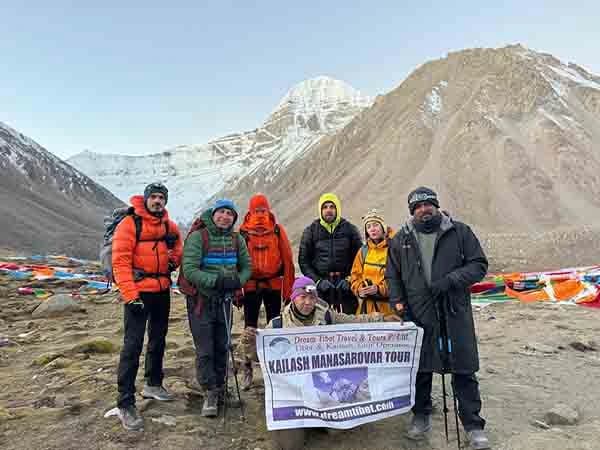
Mount Kailash Trek 10 Days

Mount Kailash Trek 10 Days

Duration10 Days
Trip GradeModerate
Maximum Altitude5,630 m (18,471 ft)
ActivitiesOverland Himalayan Drive, Lake Manasarovar Pilgrimage, Kailash Parikrama (Outer Kora), High-Altitude Trekking, Cultural & Spiritual Exploration
Group Size1 to any
StartsKathmandu
EndsKathmandu
Best TimeMay, June, July, August, September

Overview of Mount Kailash Trek Tour 10 Days

The Mount Kailash Trek Tour is an 10-day long trip that is one of the world's ultimate spiritual pilgrimages. You will experience the beauty of the Himalayas while also being part of a pilgrimage that is extremely holy and has a lot of importance for many people. Many Hindu, Buddhist, Jain, and Bon followers/indexed followers consider Mount Kailash to be one of the holiest places on Earth. The significance of Mount Kailash makes it one of the only mountains in the world that has never been climbed.

Many thousands of pilgrims and adventure-seekers travel to Mount Kailash every year to experience spiritual connection, inner peace, and a once-in-a-lifetime high elevation experience.

Our carefully planned 10-day journey provides you with the ability to acclimatise to elevated altitudes and see some of the most beautiful scenery of Tibet - the Tibetan Plateau, ancient monasteries, pristine alpine lakes, and the holy Lake Manasarovar, which is located at an elevation of 5,639m (18,540ft). Many pilgrims pray, meditate, and follow traditional rituals at the peaceful shores of Lake Manasorovar before they start their pilgrimage to complete the Kailash Parikrama.

Many people carry out their spiritual journeys by walking in the natural world on this 52km long and sacred area called Kailash Kora (or Parikrama). It takes three days for most pilgrims to complete the Kora journey through beautiful valleys, centuries-old monasteries, vibrant prayer flags, and the challenging Dolma La Pass (5,630 m), which is the highest point on the pilgrimage. Completing the entire Kora is believed by many to be a sign that they have cleansed themselves spiritually, released negative karma, and started a new chapter of their lives.

In addition to being a major religious destination, the Mount Kailash trek tour offers outstanding opportunities to experience the majestic snow-covered Himalayan mountains, pristine, crystal-clear lakes, wide open high-altitude plains, and beautiful Tibetan culture. Every day contains scenic beauty that is both memorable and rewarding to spiritual seekers, photographers, nature lovers, and cultural explorers alike.

Although the highest point of the trip is above 5,600 metres, the trip has been designed with appropriate acclimatization to allow the participants to adjust to high elevations safely. With professional and experienced guides, organized logistics, and comfortable accommodation wherever possible, participants can go about enjoying the pilgrimage feeling secure and at peace with their surroundings.

Whether you want to spiritually awaken or discover a new culture, the Mount Kailash Trek Tour 10 Days will provide an incredible time with devotion, nature, personal achievement, and memories that last forever.

Highlights of Kailash Mountain Tour 10 Days

  • 10-day pilgrimage trek to holy Lake Manasarovar and holy Kailash Mountain

  • Holy Lake Manasarovar (4,590 m) for prayers and spiritual rituals

  • Kailash Parikrama (Kora) legendary 52 km trek in three days

  • Cross Dolma La Pass (the highest point of pilgrimage at 5,630 m)

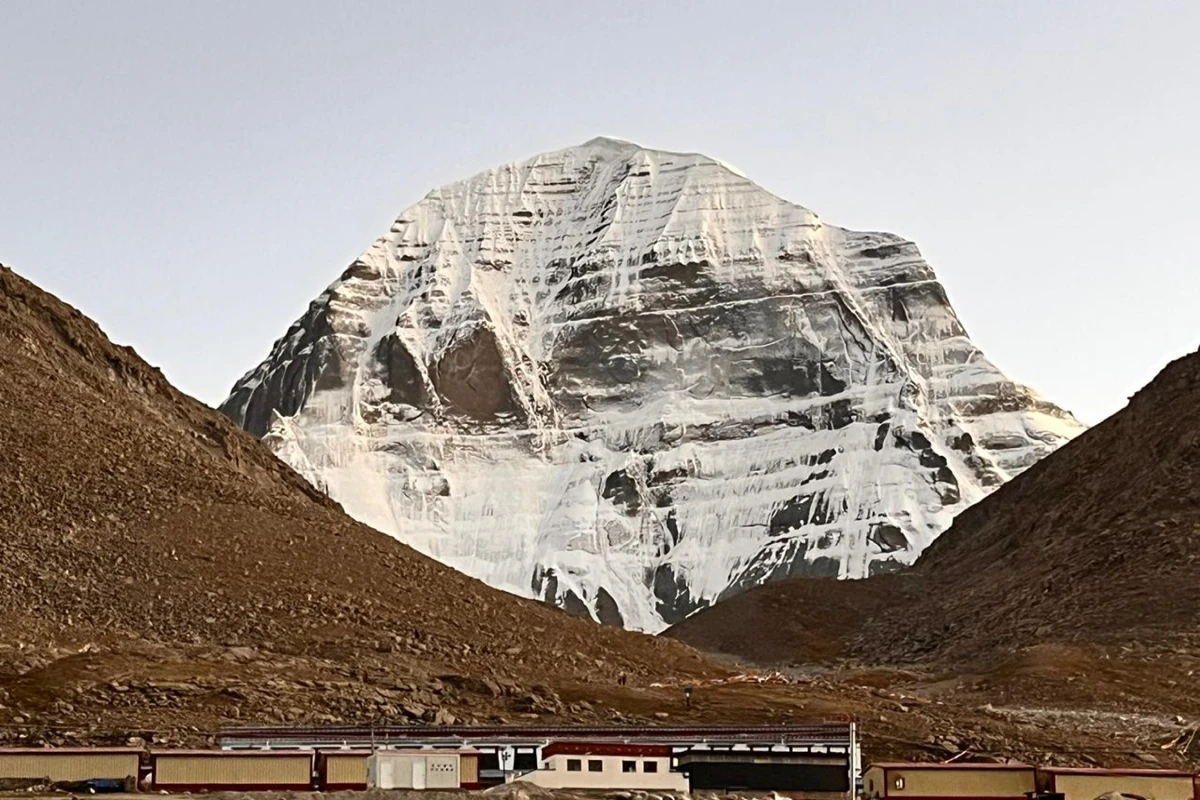
  • Spectacular view of the North Face of Mount Kailash at Dirapuk

  • The sacred Gauri Kund is a sacred site in Hinduism

  • Magnificent view of the Himalayas with high mountain passes and the vast Chinese Tibet Plateau

  • Visit ancient Tibetan monasteries and hundreds of years of sacred pilgrimage sites

  • View Tibetan Buddhism culture and traditions, and see a prayer ceremony.

  • Gradual acclimatization to high altitude before Kora around Mount Kailash

  • Stunning sunrise and sunset over Lake Manasarovar and Mount Kailash.

  • Incredible religious pilgrimage for Hindus, Buddhists, Jains, and Bon followers.

  • Non-stop shot of Spirituality, Adventure, and Nature with towering Himalayas in the background. 

Best Kailash Yatra Tour Operator 2026: With Dream Tibet and Travel Benefits

Government-Registered & Trusted Since 2003

  • We Are a trusted government-registered company since 2003. 

  • Expertise in organizing the Kailash Yatra and Himalayan Pilgrimage tours for over 20 years.

  • Thousands of pilgrims have used our service from India and different parts of the world, with complete trust.

Kailash Yatra Experts

  • We specialize in tours exclusively focused on the Mount Kailash and Lake Mansarovar pilgrimage.

  • Our tour packages are individually designed with safety, comfort, and the best time for acclimatization.

  • We offer excellent support for High-altitude tours to places like the Himalaya.

Direct Operator - No Middlemen

  • Book Directly with the Tour Operating Company. This involves booking directly with the tour operating company rather than through any third-party agents or intermediary so that there is a good level of understanding of your requirements, transparent price, and personal level assistance right from the beginning of your tour.

Leadership with Experience

  • Led by Ram C. Lamichhane, founder of Dream Tibet Travel & Tours.

  • He has personally organized many successful Kailash Yatra pilgrimages.

  • Supported by a knowledgeable operations team that understands every aspect of the pilgrimage.

Professional Kailash Guide Crew

  • We provide professional and dedicated Kailash guides for the entire duration of your tour.

  • The average Kailash guide has extensive knowledge of the pilgrimage sites, monasteries, culture, and issues related to altitude.

  • The guides will help you on trekking days and when visiting religious sites.

Healthy Pure Vegetarian Food

  • Our modern-day kitchen staff accompanies each pilgrimage tour group.

  • Meals are freshly made and prepared with attention to hygiene for the entire duration of your journey.

  • The meals provided will ensure proper nutrition for all pilgrims travelling at high altitudes.

High-Altitude Safety & Support

  • Our detailed travel itinerary contains acclimatization days.

  • Trek safely and adapt to altitude with our expert guidance.

  • Support

  • You’ll receive 24/7 support for your whole pilgrimage.

All Inclusive Travel Package

  • We assist you with all the required travel documents, Tibetan visa, & whatever else you need to apply for your Tibet travel permit.

  • All accommodation, transportation, and logistics are handled under one travel package!

  • We will provide all services from the moment you arrive in Tibet until your pilgrimage is complete.

Small Group Experience

  • Group size is small for easier coordination.  

  • More individualized attention from your guides and their support staff.

  • A safe and spiritually fulfilling environment in which to undertake your pilgrimage.

Clear Pricing

  • Our packages contain clear details about what each package includes.

  • We offer very competitive pricing and don’t sacrifice service quality.

  • You will feel you received great value for this once-in-a-lifetime spiritual journey!

Trusted By Pilgrims

  • Pilgrims have placed their confidence in us and our service for years.  

  • Most price-conscious travelers come to us via referrals from satisfied customers.  

  • We will do everything to ensure that every pilgrimage to Mt. Kailash will be an enjoyable experience.

Minimum 5 Pax Group Kailash Mansarovar China Trip From Nepal in 10 Days

You need a minimum of five people to go on the Kailash Mansarovar China trip from Nepal, since you require a group to obtain the necessary permissions to enter Tibet and the surrounding areas of Mt. Kailash due to restrictions prohibiting individual travelers from entering Tibet.

Traveling as a small group ensures proper permits are secured and just a more fun, meaningful, and spiritual trip. While pilgrims on the Kailash Mansarovar China pilgrimage all travel together and share transportation and accommodation with experienced guides, this makes the overall trip more organized and cost-effective, while group travel makes it easier to navigate immigration, obtain Tibet travel permits, and conduct logistics.

Our Kailash Mansarovar China 10-day group tour is an organized pilgrimage from Nepal for solo passengers, couples, and other groups travelling together who want to experience a well-planned, safe, and memorable pilgrimage.

Kailash Mansarovar Height from Sea Level

Your journey begins on the Tibetan plateau, a high-altitude area with reduced oxygen levels that requires time to adjust to. For this reason, the Kailash Mansarovar height above sea level is not just a spiritual journey; it is also challenging due to its high altitude.

Travellers should prepare properly for the trip prior to going. Mount Kailash is 6,638 metres (21,778 feet) above sea level, while Lake Manasarovar is located at an elevation of approximately 4,590m (15,060 feet).

Kailash Mansarovar Height at Key Locations

  • Mount Kailash: 6,638 m (21,778 ft)

  • Lake Manasarovar: 4,590 m (15,060 ft)

  • Darchen (Kora Starting Point): 4,670 m

  • Dirapuk Monastery: 5,000 m

  • Dolma La Pass (Highest Point): 5,630 m

  • Zutulpuk Monastery: 4,790 m

Because of the great altitude of Kailash Mansarovar height from sea level, the atmosphere contains far less oxygen than at sea level. This means that all itineraries to the area should include gradual acclimatization to avoid altitude sickness. By following these suggestions before, during, and after your pilgrimage to Kailash Mansarovar, such as drinking plenty of water and pacing yourself you can complete this once-in-a-lifetime pilgrimage in safety while fully enjoying the stunning scenery of western Tibet. 

Hiking Mount Kailash

When people refer to "hiking Mount Kailash," they are referring to the completion of the sacred 52-kilometer oval Kora (i.e., parikrama) around the mountain; they are not referring to summiting the mountain. People are not allowed to summit Mount Kailash since this peak is considered sacred by Hindus, Buddhists, Jains, and followers of Bon.

For this reason, those who hike around Mount Kailash will enjoy magnificent views of the valleys, ancient temples and monasteries, and the high Dolma La Pass (5,630 meters) over three days, making it one of the most significant pilgrimage journeys worldwide at a high elevation. 

Dream Tibet Travel arranges safe hiking of Mount Kailash by providing an itinerary that includes gradual acclimatization, experienced and knowledgeable guides who specialize in hiking Mount Kailash, and emergency access to oxygen for each trip member.

Pilgrims are encouraged to enjoy their trek at a pace that is comfortable for them and to continuously receive assistance throughout their travels allowing each pilgrim to complete their unforgettable pilgrimage journey in as safe and as comfortable a fashion as possible.

Kailash Mansarovar Oxygen Level Explained

Understanding the Kailash Mansarovar Oxygen Level is one of the most important things for people to consider before doing this Holy Pilgrimage. When people travel up to more than 4500m (approx. 14,764ft), there is a major decrease in the total amount of oxygen in the air.

Although the total percentage of oxygen that is in the air will continue to be roughly 21%, when you get into higher elevations (such as the Kailash Mansarovar area), the fact that air pressure is considerably less means you are getting a lot less oxygen with every breath that you take.

Therefore, a healthy and fit person would still be seriously affected by the oxygen levels at Kailash Mansarovar. To be safe and avoid serious health issues, it is very important to make sure that you are acclimatized properly before going to the area, drink plenty of fluids, and travel at a slow, steady pace while walking.

Oxygen Saturation by Altitude

Location

Altitude (m)

Remark

Approx. Oxygen Availability

Kathmandu

1,300 m

Starting Point

85 - 87%

Kodari Border

1,850 m

Nepal–Tibet Border

79 - 81%

Zhangmu

2,300 m

Chinese Entry Town

75 - 77%

Nyalam

3,750 m

Acclimatization Stop

66 - 68%

Saga

4,450 m

Major Tibetan Town

60 - 62%

Paryang

4,558 m

Plateau Region

59 - 61%

Lake Manasarovar

4,600 m

Holy Lake

58 - 60%

Darchen

4,670 m

Base Camp for Kailash Kora

57 - 59%

Dirapuk

5,000 m

North Face View

53 - 55%

Dolma La Pass

5,630 m

Highest Point of the Yatra

49 - 50%

Zutulpuk

4,790 m

Final Kora Camp

56 - 58%

Oxygen Level at Darchen

Darchen is a town at an Elevation of about 4670 meters, which is the Departure Point of the Kailash Parikrama. At this height, Kailash Mansarovar Oxygen Level will be around 63-65% of the Sea Level Oxygen. Most pilgrims find they have slight problems with breathing when walking uphill or climbing stairs.

Most travelers will stop off here to prepare for the trek and acclimate to the elevation.

Oxygen Level at Dirapuk

Dirapuk will be located over 5000 meters. The Oxygen Level in Dirapuk will be reduced to approximately 55-60%. Therefore, many pilgrims will find they move at a slower pace than normal, feel more tired than they would at Sea Level, and have difficulty breathing.

All of this would be considered Normal for the elevation. Pilgrims should rest appropriately, drink enough fluids, and not overexert themselves.

Oxygen Level at Dolma La Pass

The Dolma La Pass is the highest elevation point in this pilgrimage. It stands at 5630 meters. Once again, the Kailash Mansarovar Oxygen Level will decrease to about 50% of the Sea Level Oxygen Level, and this portion of the journey is considered to be the most physically challenging.

Pilgrims need to take their time to travel; take breaks often, and travel only as the guide instructs across the Pass.

Can Oxygen Cylinders Help?

Yes. Portable oxygen cylinders or cans can provide temporary relief for symptoms of Acute Mountain Sickness (AMS) or low oxygen levels when a pilgrim develops these symptoms. However, oxygen cylinders should only be used for emergency assistance rather than as a replacement for acclimatization.

The safest and healthiest option is to rise gradually to altitude, drink plenty of fluids, monitor your physical condition and become familiar with the signs of AMS so you can return to a lower altitude if you experience severe AMS symptoms. Many established Kailash tour operators provide emergency oxygen as part of their First Aid Kits.

How Does Kailash Yatra Affect Your Body?

The Kailash Yatra occurs at an elevation of nearly 5,600 meters (approximately 18,500 feet). At this altitude, the air pressure is lower than at sea level, and there is less oxygen for your body to use to produce energy. As you are ascending in altitude, your body will need time to adjust by producing more red blood cells and trying to adjust your breathing rate. Most pilgrims will experience mild symptoms of AMS during the first several days of the Kailash Yatra; however, by proceeding at a gradual pace and by taking the time to acclimatise appropriately, most people will be able to successfully complete the Kailash Yatra.

Common Effects of Kailash Yatra on Your Body

  • Shortness of breath: Walking or climbing uphill becomes increasingly difficult due to a decrease in the oxygen levels found as we ascend higher elevations.

  • Tiredness/ Low Energy: At the high altitudes used in this pilgrimage, more of our body's total energy is used to perform activities, which will lead to becoming fatigued.

  • Headaches: The first symptoms we usually develop when adapting to a higher altitude are headaches.

  • Increased Heart Rate: The heart pumps faster to supply more oxygen throughout the body.

  • Sleep Problems: Pilgrims will typically experience disrupted sleep during the first nights at altitude.

  • Decreased Appetite: Many people feel less hungry while at altitude; this is quite common. It is essential to eat regular meals while at higher altitudes.

  • Mild Dizziness: Whenever a person walks too fast for his/her normal pace, he/she may notice mild dizziness.

  • Dehydration: As you ascend in altitude, you will lose more fluids due to breathing; it's more critical to drink enough water.

  • Muscle Fatigue: With longer treks and at altitude, it’s very possible for extra strain and wear and tear on your joints and legs to occur.

  • Sensitivity to Cold: Due to the temperature coupled with the wind, it actually feels colder than it is.

How Dream Tibet Travel Helps Reduce the Effects on Your Body

  • Gradual ascent and progress to allow your body a natural acclimatization process.

  • Incorporated acclimatization days for better chances of preventing sickness at height.

  • Accompanied by skilled and trained guides who will help identify and manage Acute Mountain Sickness (AMS).

  • Emergency oxygen cylinders in stock for higher altitude sections as and when needed.

  • On-board assistance for proper intake of water, paced progress, and sufficient rest in order to prepare your body for acclimatization.

  • Delivering nutritious, freshly prepared Vegetarian dishes in order to ensure adequate energy for recovery at height.

  • A carefully planned schedule of trekking, not imposing an unnecessary workload on you.

  • Constant backup in the form of support on the ground at all times, with on-time support for developing any kind of altitude sickness symptoms.

Is Kailash Mansarovar Yatra Safe to Go?

Yes, in the case of a traveller who has completed a health check-up and is certified to be fine to travel by yatra, traveling with a famous tour company with good health care facility on boarding; such travel would be fairly safe. The high altitude of the destination poses the primary threat rather than the trekking activity. However, gradually gaining altitude, adequate fluid intake, and rest are paramount during the pilgrimage, and thousands of people from all across the world successfully complete this arduous journey each year.

It’s important to note that at one point, the yatra can ascend to an altitude of over 5600 meters at the Dolma La pass; therefore, symptoms such as light headaches, fatigue, or shortness of breath are unavoidable and must not be neglected.

Recent government advisories have also highlighted that pilgrims must carry all necessary traveling documents with them before embarking on their pilgrimage to Mount Kailash.

How Dream Tibet Travel Helps Make Your Journey Safer?

  • A trip itinerary that incorporates gradual acclimatization and allocates an entire acclimatization day;

  • Trip leaders who are well-experienced, with a minimum of 3 years in high altitude training and experience leading pilgrimages to Kailash;

  • Provision of all permits and travel documentation to enter/exit Tibet;

  • Provision of emergency oxygen tanks for use on your pilgrimage;

  • Provision of healthy, vegetarian meals (prepared daily in a clean, sanitary manner);

  • Transportation and logistics will be arranged to minimise travel and, as much as possible, support you;

  • Direct assistance during the entire duration of Kailash Parikrama and each section of the parikrama will be done with individual attention to you;

  • The group will be small in size, which allows for intimate and one-on-one support; and,

  • Identification of early signs and symptoms of high altitude sickness and how to respond to these symptoms promptly.

Mount Kailash Mansarovar New Route Details 2026/2027/2028

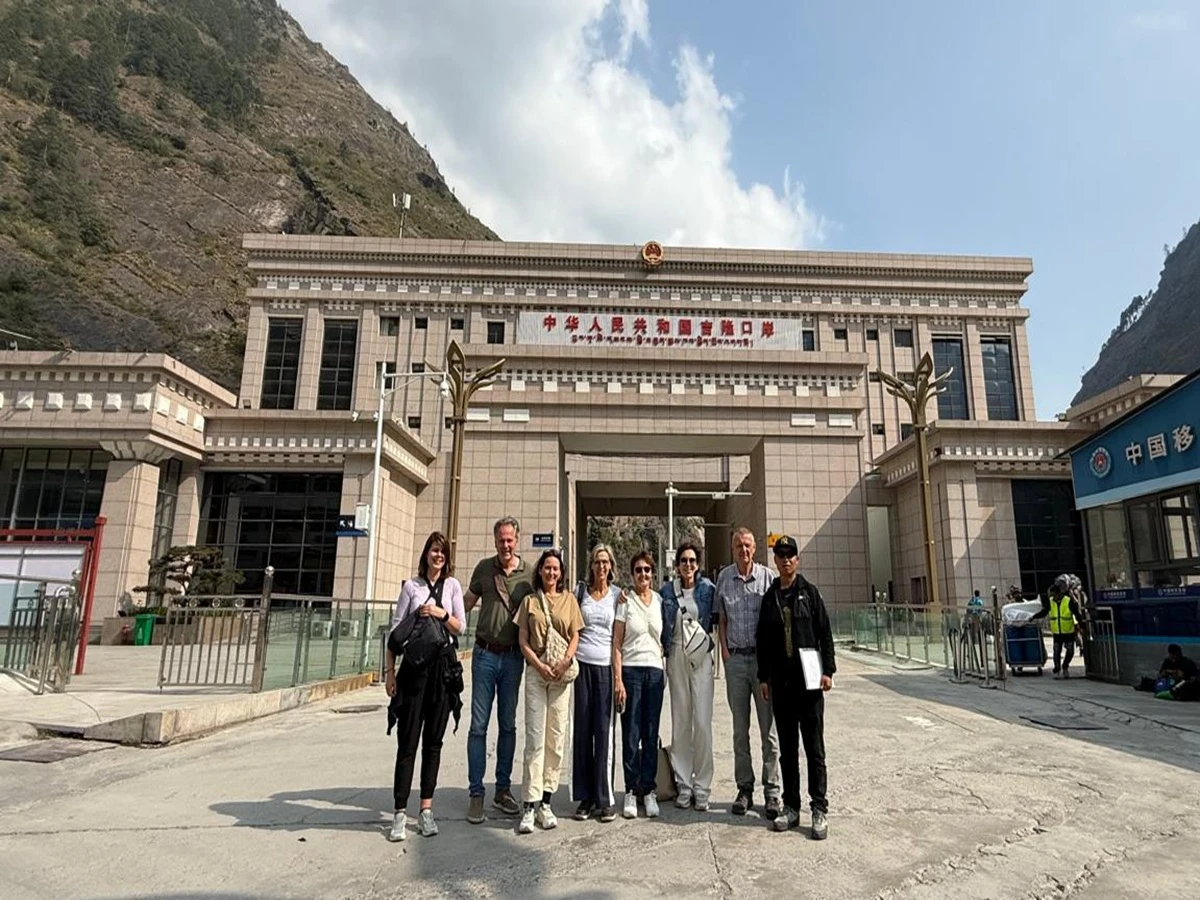
The intermittent closure of the Nepal-Syabrubesi/Trishuli Route due to monsoon landslides and delays from flooding has resulted in the stabilization of this route. The interstate border at Rasuwagadhi (Nepal) and Kerung (Tibet) is fully operational for commercial and pilgrim transit between countries.

China has spent heavily on improving the highway between Kerung and Saga, so driving has become smooth and should allow for a 2-3 hr reduction in the historical time period required to travel between the border and Saga.

The Kyirong Route to Mount Kailash has become one of the most popular overland access routes for people traveling from Nepal to Mount Kailash and Lake Mansarovar due to its location on the Nepal/China border, the relative ease of travel by vehicle after crossing into Tibet, the spectacular scenery of the Himalayas; lastly it facilitates greater gradual altitude acclimatization than do many other routes which can facilitate more rapid access to these Himalayan areas.

The Kerung Route in 2026, 2027, and 2028 will still be a key access point for international pilgrims. However, any border operations or permit procedures remain at the discretion of the Chinese/Tibetan authorities. Independent travel to Mount Kailash is not permitted; all travelers must travel as part of an organized group tour with an authorized operator. Pilgrims are reminded that it is unsafe for them to leave for their pilgrimages before they have obtained all of the necessary China visas and Tibet travel permits.

Will I Get Mount Kailash Top View in 10 Days?

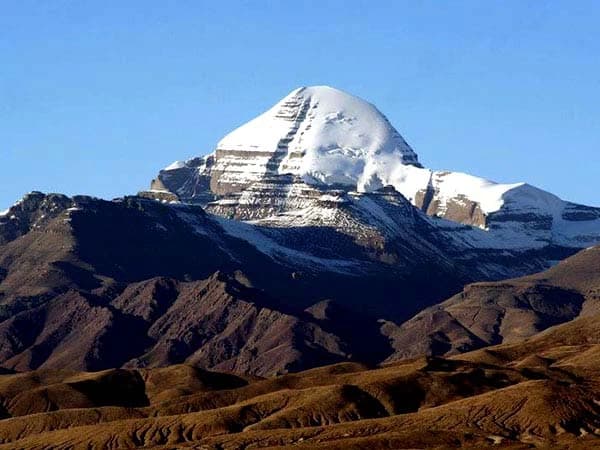
The tour will give you the best view of Mount Kailash that you can find for pilgrims. The highest view for Mount Kailash for pilgrims can be accessed while walking on the pilgrimage trail at the north face of Mount Kailash from Dirapuk Monastery and crossing the Dolma Pass (5630 m), which is the high point of the pilgrimage. These two sites provide excellent panoramic views of the holy mountain and the surrounding area of the Himalayas.

You will see several breathtaking views of the Mount Kailash Top View during your journey, including from the Lake Manasarovar region or during the Kailash Parikrama. 

With ideal weather conditions and clear skies, the Mount Kailash Top View will give you an opportunity for some amazing photos, as it is perhaps one of the most beautiful spiritual landscapes on earth. When preparing the Kailash pilgrimage itinerary, Dream Tibet Travel thoughtfully plans your time to be able to see these famous views and to give you ample time to acclimatize properly in order to enjoy a pleasant and safe trip.

Mount Kailash Trek 10 Days Cost 2026/ 2027/ 2028

The starting price of a standard group overland tour to the Mount Kailash Trek for 10 days is about USD 1,870 per person (the price will differ according to your group size, travel season, and services included). Most of these packages will include accommodation, transportation to and from Tibet, Tibet travel permits, guide services, and food throughout your time on this pilgrimage.

Apart from the Kailash Mansarovar package costs, you should plan for extras. Kailash Mansarovar expenses include, but are not limited to, airfare to China, international airline flights, Travel Insurance, China visa (if a visa to China is needed to take the tour to Kailash Mansarovar), pony and porter services while trekking around Kailash Mansarovar, personal items, shopping, snacks, drinks, personal medicine costs, tipping, and personal effects. The benefits of planning for such Kailash Mansarovar expenses in advance are that there are no more unexpected costs to incur, and it ensures a holy tour with joy.

Always confirm the package inclusions and exclusions before making a reservation, so you know the total cost of your Mount Kailash Trek for 10 days and have a good estimate of your Kailash Mansarovar expenses.

Mount Kailash and Lake Manasarovar Yatra 2026 Status

Charan Sparsh at Mount Kailash 2026 (July, August, September) Status

Charan Sparsh (Touching Base of Mount Kailash) is possible on your trek to Dirapuk, depending on current local security regulations & instructions received from the authorities of Tibet. Since local regulations can change without notice, it cannot be guaranteed that you will receive permission, and all pilgrims must follow the directions of their guide.

Kailash Outer Kora 2026 (July, August, September) Status

The Outer Kora (Outer Circumference) is included in this 10-day itinerary; The Kailash Outer Kora is 52 km, the Sacred Kailash Kora & will be completed in 3 Days, and is the Main Spiritual Focus of the entire Journey.

Kailash Inner Kora 2026 (July, August, September) Status

The Kailash Inner Kora is not part of the standard itinerary and is not compulsory. Only Eligible Pilgrims may attempt to complete the Inner Kora, & must meet the following requirements: available time/special permits (where required), appropriate weather, good health, and discuss your requirements with your tour operator prior to arrival.

Bathe in Lake Manasarovar 2026 (July, August, September) Status

Bathing directly in Lake Manasarovar is normally prohibited for the protection of the sacred lake and compliance with local regulations. Pilgrims generally will fill their containers with water at the lakeshore and perform their rites in proximity to the lake with the water they have filled in their containers.

Puja at Lake Manasarovar 2026 (July, August, September) Status

Yes, pilgrims may perform puja, meditation, and prayer at designated places along the shoreline of Lake Manasarovar with respect for traditional customs and environmental guidelines.

Yes, pilgrims may take religious or spiritual items home from the north shore of Lake Manasarovar and may collect and take sealed containers of holy water (Jal) home.

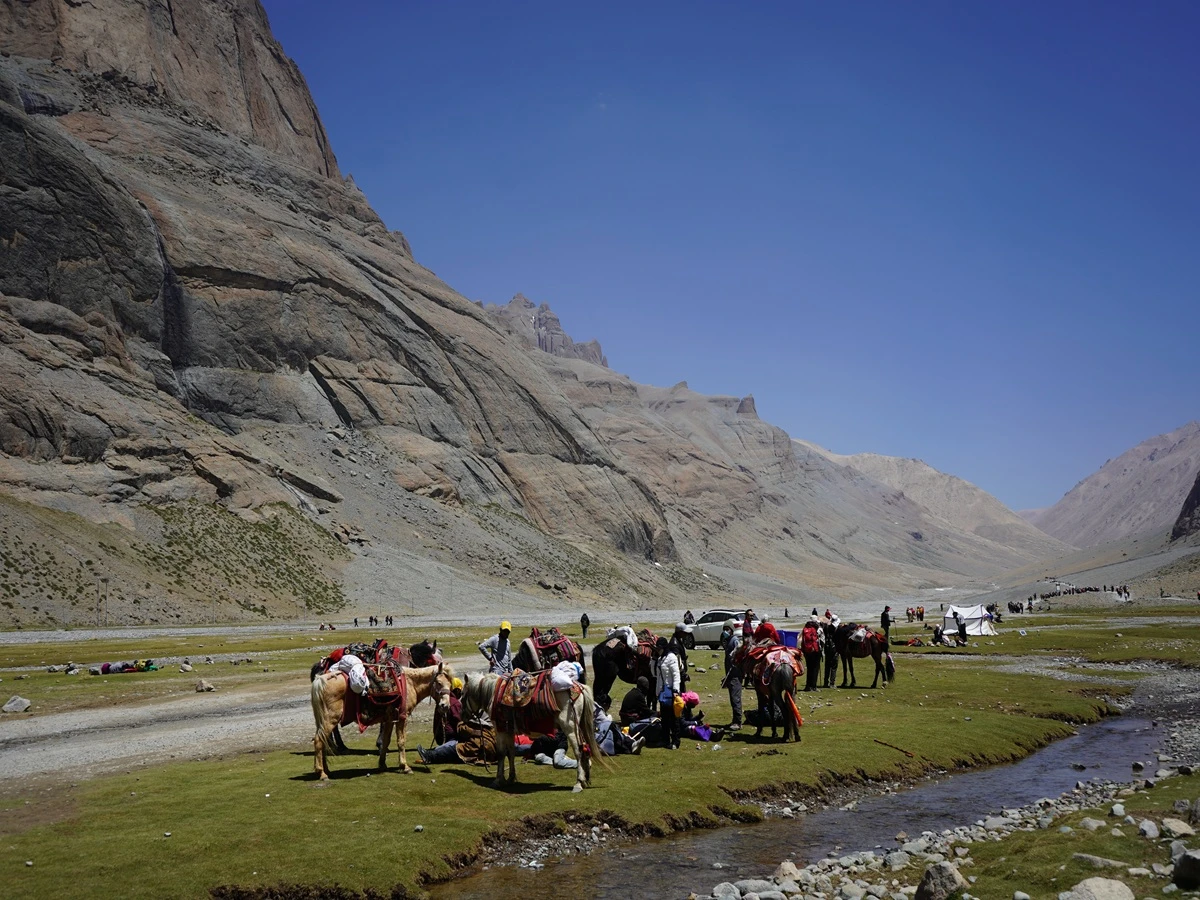
Kailash Parikrama In Pony 2026 Status (July, August, September) Status

Yes, ponies and porters are available in Darchen for pilgrims who need assistance. Pony usage is usually allowed in the Dolma La Pass area, based on availability, snow coverage, and local weather. We recommend making arrangements for pony use well in advance, especially during peak pilgrimage times.
Itinerary

Mount Kailash Trek 10 Days Itinerary from Kathmandu 2026/27

Dream Tibet Travel and Tours has a meticulously planned Mount Kailash Trek 10 Days Itinerary from Kathmandu 2026/2027 & Price to provide for gradual and progressive altitude acclimatization to help our pilgrims get along better and safely for this holiest parikrama. 

The itinerary is of the slowest and smoothest paced progression for ease & comfort of trekking as the altitude gain is gradual. The below provided itineraries are for the current time. The day-to-day plan may change due to circumstances beyond Dream Tibet's control, such as weather, natural phenomena, traffic conditions, or regulatory measures, among others.

Dream Tibet always prioritizes the pilgrim's safety to the maximum. For the most recent Mount Kailash Trek 10 Days Itinerary from Kathmandu 2026/2027 & Price, and the fixed departure date. Contact Us.

Trip PlanExpand all
Max Altitude: 3,750 m Meals: BreakfastAccommodation: Hotel (Twin/Double Sharing)

Start your pilgrimage to Mount Kailash and Lake Mansarovar Tour with an early morning drive from Kathmandu along the Arniko Highway. While the road follows the loud rushing waters of the Bhote Koshi River, the sights will include the most amazing villages, dense vegetation, majestic waterfalls, and deep Himalayan canyons, as well as the majestic Himalayan ranges, along with other amazing and astounding sceneries that you will witness en route to the Nepalese gateway to Tibet. At Kodari, you’ll cross the Friendship Bridge, which connects Nepal to Tibet.

Complete Nepal immigration procedures at the Nepal border and Tibet immigration formalities in Zhangmu, then you proceed to drive to Zhangmu, the hectic border gateway town perched on a steep mountainside.

Then you journey north along the historical Friendship Highway to Nyalam (3,750 m / 12,303 ft), referred to as the "Gate to Tibet," as part of your acclimation to the high altitudes. Driving along, you will be admiring the profound gorges, dense vegetation, and snow-capped ranges of the great Himalayas as you go. At Nyalam, check into your hotel and rest for today for comfortable, cool weather acclimatization. Today, you will stay overnight in a hotel in Nyalam.

Max Altitude: 3,750 m Meals: BreakfastAccommodation: Hotel (Twin/Double Sharing)

A day is put aside for the acclimatisation to mentally and physically get the fitness needed for the memorable trip to Mt Kailash & Lake Mansarovar to overcome this situation. Nyalam will be for overnight acclimatization, to allow our bodies to get accustomed to the altitude without much effort. After breakfast, we have an acclimatization walk through the hills adjacent to the Nyalam Valley with magnificent views of the Himalayan peaks and the Friendship Highway below, before returning to Nyalam.

Depending on the weather and our fitness, we can even visit a local Tibetan monastery, chat with locals, experience local culture, and walk the streets of this beautiful valley town.

The guide will provide the most updated information on preventing altitude sickness, the Parikrama at Holy Kailash, and general travel tips. Walking slowly and having plenty of fluids is advised for the day. It is a mandatory process that will minimize your travelling problems for the days to come while travelling for the Kailash Parikrama.

Max Altitude: 4,450 m Meals: BreakfastAccommodation: Hotel (Twin/Double Sharing)

Start another day of driving on another glorious overland journey to Tibet via the spectacular Friendship Highway after a filling breakfast. After travelling along the high-altitude plains and through rolling hills and verdant valleys of the plateau, today’s route travels through the Lalung La Pass (5,050m) and the Thung La Pass (5,200m). From these viewpoints, enjoy breathtaking Himalayan views, including the world’s fourteenth tallest peak, Mount Shishapangma (8,012m), and the Peku Tso Lake with its crystal blue waters.

On clear days, this sweeping vista encompasses numerous snow-capped mountains on the horizon.

The path ventures across the high plains, passing grazing yaks and nomadic Tibetan camps as it follows the rugged landscape of western Tibet. Finally, you will cross the great Yarlung Tsangpo River and reach your overnight stop in the vital trading hub of Saga – a crucial waypoint for pilgrims visiting Mount Kailash and Lake Mansarovar. You will check into your guesthouse, have a warm dinner, and get a good rest to help you acclimatize further before we head into the sacred territories of Ngari.

Max Altitude: 4,600 m Meals: BreakfastAccommodation: Guesthouse (Dormitory Style)

It will be one of the best days of your Mount Kailash and Lake Mansarovar Tour when we drive along the high Tibetan plateau to the Holy Lake Manasarovar (Mapam Yumtso). We cross the highlands, visit the village of Paryang, and ride through the wide plateau past the solitary nomadic dwellings of Tibetans, with yaks roaming alongside Tibetan wild antelope. Soon after Hore, you can witness the first amazing glimpse of the holy Mount Kailash (6,638m), which is the abode of Lord Shiva and one of the holiest mountains in Hinduism, Buddhism, Jainism, and the Bön religion.

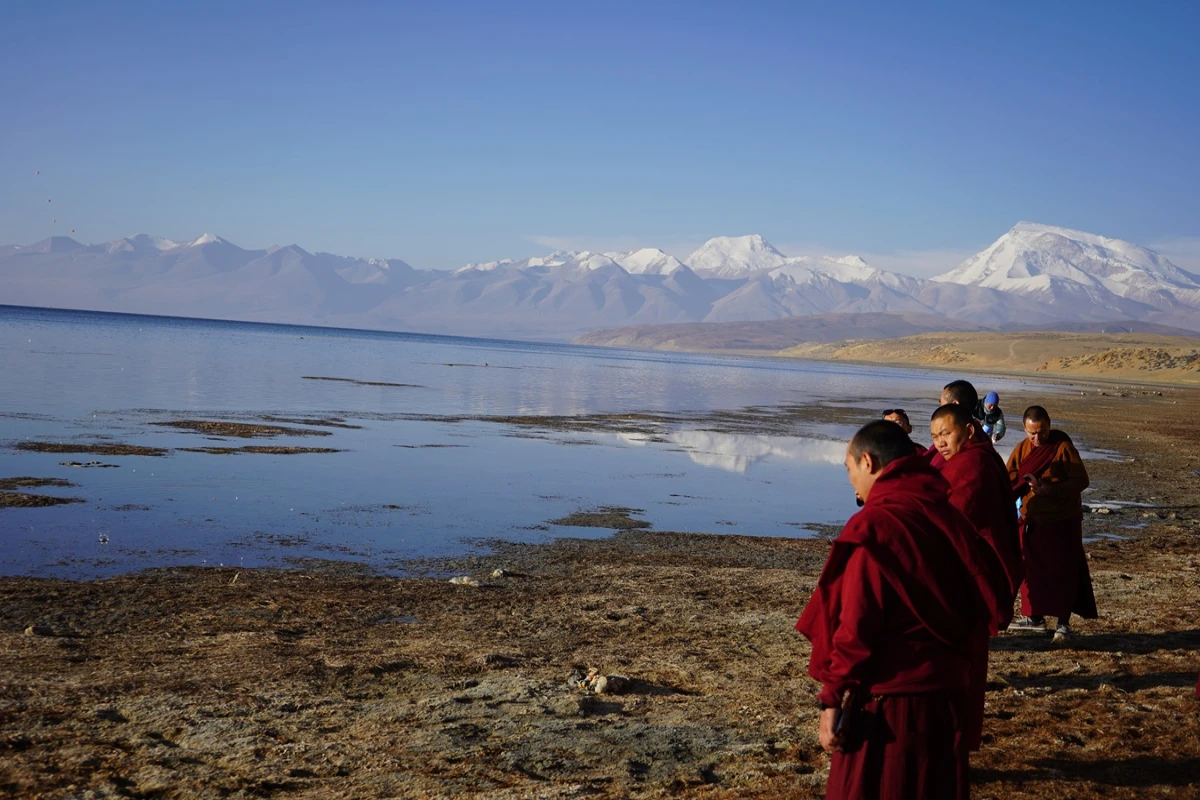
We reach the banks of the holy Lake Manasarovar, where the great Hindu deities are also believed to have bathed to be sanctified.

We can visit Chiu Gompa, which stands beautifully on a rock overlooking the lake, where we have a grand view of Kailash. You can immerse yourself in the lake’s purifying water, meditate, or pray at Chiu Gompa before we halt for the night in a guest house next to the sacred lake.

Max Altitude: 4,670 m Meals: BreakfastAccommodation: Hotel (Twin/Double Sharing)

Wake up by the banks of the serene Holy Lake Manasarovar and watch a serene sunrise cast its light over majestic Mount Kailash on the Himalayan horizon. Most pilgrims spend their mornings performing religious rituals, such as puja, meditation, mantra chanting, or a blessed bath in the holy waters, which are believed to wash one’s body and soul clean. After enjoying your hearty breakfast, relax and take a gentle ride to Darchen, which serves as a base camp for the immensely revered Mount Kailash Parikrama (Kora), otherwise also known as the Outer Kora.

The journey itself offers breathtaking views of the holy mountain from beginning to end, along with prayer flags fluttering along the trails of Western Tibet.

Upon reaching Darchen, get everything sorted out and make preparations for the three-day Kailash Kora, including your trekking kit, hired yak, pack animals, or porters, and attend a detailed session from your guide, followed by time to adjust to the surroundings and get fully mentally prepared for what is about to be the world’s greatest religious pilgrimage starting the following morning.

Max Altitude: 5,000 m Meals: BreakfastAccommodation: Guesthouse (Dormitory Style)

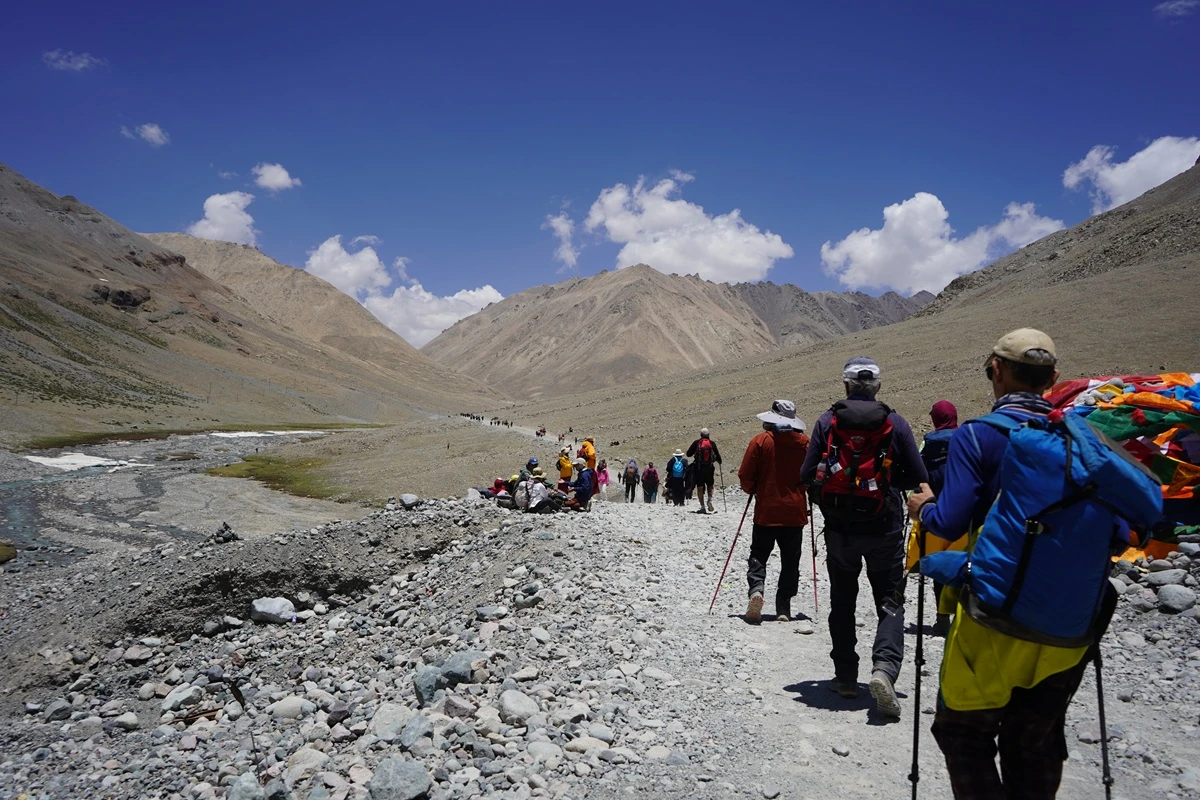
This is Day 1 of our Kailash Kora starting one of the world’s holiest of all pilgrimages. After an early breakfast, we drive a few kilometres to Yamadwar (Tarboche), the formal entrance point for the Holy Kailash Kora and the symbolic point where pilgrims relinquish all worldly ties. Our journey follows the quiet, gentle Lha Chu Valley marked by fluttering prayer flags, yak herds, nomad tents, and glacial streams, with stunning views of the western Tibetan Himalayas.

With each step up the valley, the majestic North Face of Mount Kailash appears, and this is undoubtedly one of the spiritual highs of the Kora.

We proceed to Dirapuk Gompa – the highest and one of the oldest monasteries on the Kora – an active gompa where monks have meditated for centuries. We retire for the night at Dirapuk Guest House after having been transfixed by the stunning sunset views of Mount Kailash and get ready for a challenging hike the next day towards the highest point of the Kora.

Max Altitude: 4,790 m (Highest Point: 5,630 m) Meals: BreakfastAccommodation: Guesthouse (Dormitory Style)

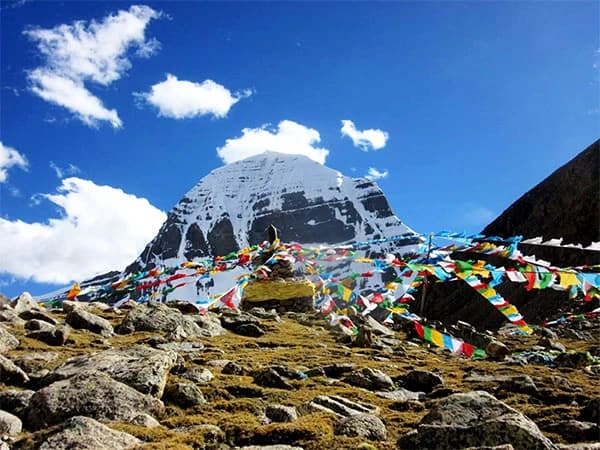
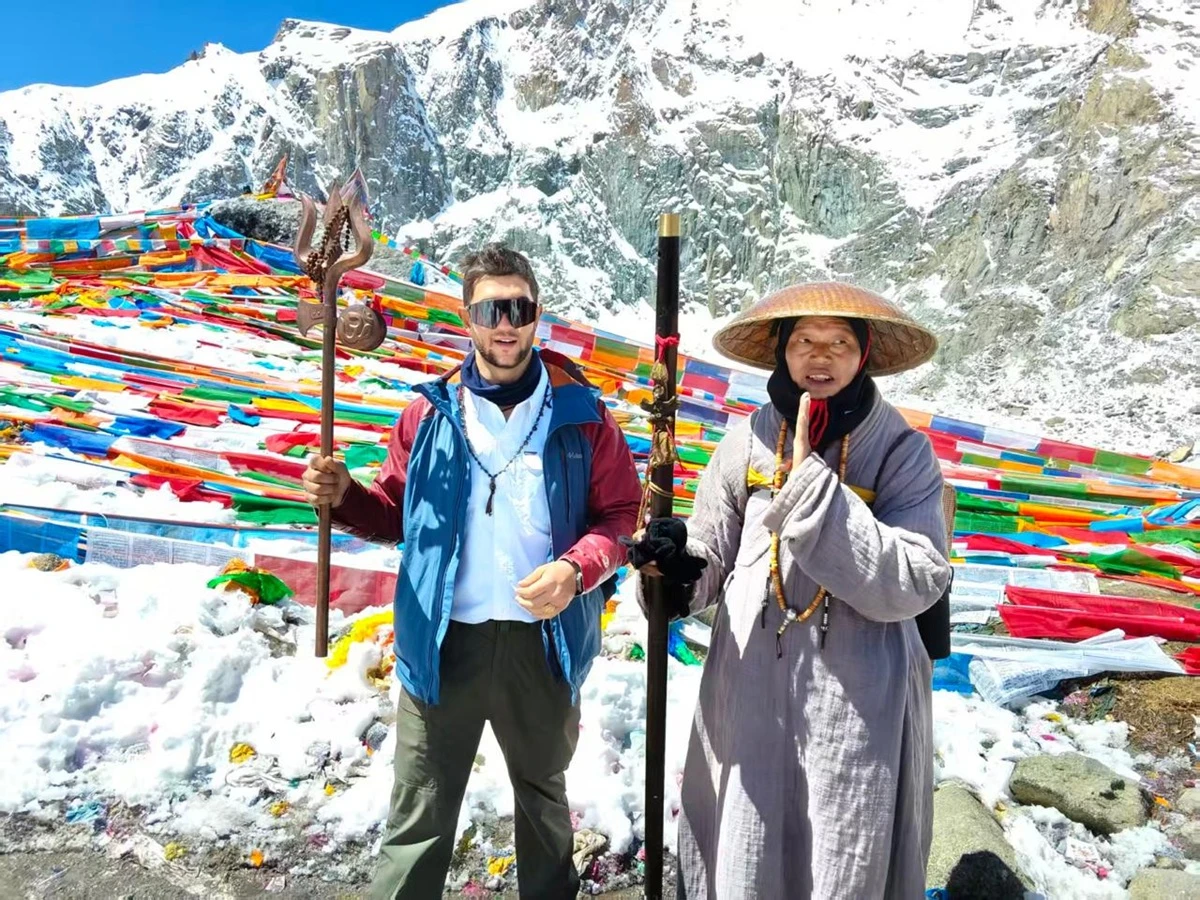
Your hardest day, and the most rewarding from a spiritual perspective, the trek starts before dawn and rises consistently to the sacred Dolma La Pass (5,630m). This is the highest point on the Kailash Parikrama; festooned with countless Tibetan prayer flags, it marks a new beginning for followers of Hinduism, Buddhism, Jainism, and the Bön religion. From this lofty position, take time to offer your prayers before making the treacherous descent toward the turquoise pool that forms Gauri Kund, which is said to have ties with the Hindu Goddess Parvati.

You continue to traverse along a valley strewn with rocks and glaciers as you make your way toward the historical monastery of Zutulpuk, which contains the meditation cave of the Tibetan sage Milarepa.

The sacred cave and this most ancient of Tibetan sanctuaries form a beautiful end to this day of profound faith, hard effort, and high Himalayan adventure. Stay at a local guesthouse at Zutulpuk for the night.

Max Altitude: 4,450 m Meals: BreakfastAccommodation: Hotel (Twin/Double Sharing)

Breakfast will be provided before the last leg of the sacred Mount Kailash Parikrama, where we will walk along easy terrain and a beautiful path, traversing river valleys and alpine meadows to return to Darchen. To finish the 52 km Kailash Kora is considered a “once-in-a-lifetime spiritual” undertaking where the pilgrims have purified all the negative karmas with this pious circumambulation.

From your hotel, you will board your respective vehicle and head back to Lake Manasarovar via a picturesque landscape. You will be taking your last glance at the sacred mountain, Chiu Gompa, and the vast plains of the Tibetan plateau while you trace your road back to Saga, a prominent administrative centre of western Tibet with isolated villages, flat plains, and the colossal river Yarlung Tsangpo (Brahmaputra). You will check into your hotel and reminisce about the sacred journeys and panoramic natural beauty experienced during your pilgrimage.

Max Altitude: 3,750 m Meals: BreakfastAccommodation: Hotel (Twin/Double Sharing)

After breakfast, start returning from Saga to Nyalam along the old Friendship Highway. This road trip once again displays for us the unbelievable beauty of the Tibetan Plateau; a panorama of expansive plains of grassland, peaks of the Himalayas covered with snow, nomadic settlements with round camps, and clear lakes in alpine zones. If the weather permits, you can once again enjoy a great view of the world's 14th-highest mountain, Mount Shishapangma (8,012m), magnificent Peku Tso Lake, and a stunning vista at the Lalung La Pass and the Thung La Pass.

From this plateau of western Tibet, slowly descend towards Nyalam with green surroundings and immense mountain valleys in comparison with the dry highlands. Check into your hotel upon arrival at Nyalam and celebrate your last night in Tibet with unforgettable memories of the pilgrimage tour.

Max Altitude: 1,300 m Meals: Breakfast

On the morning of the tenth day of your 10-Day Mount Kailash Drive-In Drive-Out Tour, drive downhill from Nyalam to Zhangmu through winding mountain roads, passing through rich forests, waterfalls, and deeper Himalayan gorges. Complete your Chinese exit formalities in Zhangmu and cross the historical Friendship Bridge, then drive to Kodari, then continue driving to Kathmandu through one of the most spectacular roads in Nepal alongside the Bhote Koshi River & Arniko Highway, which passes through various picturesque Himalayan scenes of Nepal's villages and valleys, as well as the most famous rivers of Nepal. Back home with many precious memories of the sacred Lake Manasarovar, Mount Kailash Parikrama, the ancient Tibetan monasteries, and the religious experience of one of the most important Himalayan journeys in the world.

Couldn't find what you're afterReach out to our travel experts.
Cost Details
Includes
  • Transportation: Round-trip ground transportation from Kathmandu to the Nepal - China border and back, Jeep transport in Nepal (Maximum 6 people per jeep), Comfortable van or mini-bus transport while in Tibet.

  • All necessary permits and visas required for travel

  • Accommodation: Will be provided as follows: twin /double share hotel accommodation at Nyalam, Saga, and Darchen; dormitory-style accommodation at Lake Manasarovar, Dirapuk, and Zutulpuk.

  • Guides and Support: Will include an English-speaking Tibetan guide and all guide-related expenses, including salary, accommodation, meals, and transportation from your position to that of the guide's. The Dream Tibet Travel team will also provide you with expert assistance and support throughout your trip to fulfill our commitment to providing you with an unforgettable spiritual experience.

  • Sightseeing and Entrance Fees: All entrance fees to temples/monasteries along the itinerary will be included, as well as any sightseeing entrance fee in Kathmandu (if applicable).

  • Trekking Equipment: A waterproof duffel bag will be provided to carry your personal belongings during the Yatra's trekking days; you will receive a warm down jacket to use while trekking within the Yatra area, along with a blue backpack and a beanie.

  • Taxes: All applicable government taxes and local service charges will be included.

Excludes
  • Meals: Lunch and Dinner as per the meal plan selected at the time of booking.

Flights and Insurance

  • International Airfare To / From Kathmandu

  • Travel Insurance

  • Emergency Evacuation / High Altitude Medical Insurance (Highly Recommended)

Personal Expenses

  • Drinks, Beverages

  • Laundry Services

  • Telephone / Internet Charges

  • Personal Shopping

  • Tipping For Guides, Drivers, Support Staff

Optional services

  • Hiring of a porter, pony, or yak during the Kailash parikrama

  • Additional hotel nights in Kathmandu before/after itinerary

Additional costs

  • You will be responsible for any additional transportation or accommodation costs due to an early return, change in itinerary, or cancellation of visa.

  • Emergency medical treatment, rescue/oxygen/evacuation, or altitude-related expenses

  • As a result of a delayed flight, political unrest, road closure, border closure, or any other circumstance beyond the control of Dream Tibet Travel.

Essential Information

Which is the Best Month for Kailash Mansarovar Trek?

Kailash Mansarovar Trek is best completed in the months of June and September, depending on the type of weather you prefer when travelling there.  

Both June and September have the same advantages of stable weather, good visibility (of Mount Kailash and Lake Manasarovar), and comfortable conditions for trekking. In addition, these two months have the most pilgrimage routes that remain available for walking from May to September. All other routes will be closed during winter because of heavy snowfall and extremely cold weather.

May - Beginning of the Season

May is considered the beginning of the trekking season after the winter months have ended.

Benefits

  • There are usually fewer pilgrims, and trails are quieter than in other parts of the year.
  • Mount Kailash has beautiful views of the new snow.
  • More pleasant weather and atmosphere for walking on the trails.

Drawbacks

  • Cold temperatures at night and uncertainty of snow at higher elevations.
  • Some weather uncertainty before arriving in May.

June - Absolutely the Very Best Month to Go

If you have never been on a pilgrimage, June is definitely the month to start your trip to Kailash Mansarovar. 

Benefits

  • There are significantly more hours of sunlight each day when the weather is stable (better for photos).
  • The weather is very pleasant; you don't really have to worry about how warm or cold it will be.
  • Haven't seen much snow, and the heavy rain season is over. The Saga Dawa Festival.
  • Roads and trails are readily accessible.

Cons

  • High demand for accommodations, permits, and so on due to large numbers of pilgrims on the yatra is experienced during July and August, which are considered peak months.

July and August is Busy Pilgrimage Month

In the summer months, yatra becomes its busiest, and you can face crowds.

Pros

  • Mild weather is pleasant for traveling throughout the entire country

  • Almost all services in the region remain open.

  • Great month to plan a family trip or for an organised tour to the holy circuit.

Cons

  • Confront the crowd at many pilgrimage destinations, including at the lake and at other spots

  • Possible rain and landslides, especially on the Nepali side of the terrain

  • Room bookings must be done in advance.

September is Month of Good Weather

Experienced tourists often prefer this month for taking excellent shots and a serene atmosphere.

Pros

  • Perfect clear skies and impressive views of the mountains and the surroundings

  • A considerably smaller number of people than the previous month.

  • Best for walking and Trekking as the weather remains cool and pleasant.

  • A quiet time to spend near Lake Manasarovar.

Cons

  • Cold during the nighttime

  • The Pilgrimage season starts coming to an end in late September.

Accommodation During the Mount Kailash Trek

The journey becomes more enjoyable with better accommodation where possible, as befits the secluded, untouched environment of western Tibet. You have got good accommodation by taking hotels with double and twin sharing rooms, so Nyalam, Saga, and Darchen provide simple room accommodation so that your pilgrim rest and adjust. But as we ascend to enter the pilgrimage trail, the accommodation is getting even more simplified due to the altitude.

The accommodation at lakes like Lake Manasarovar, while traveling and trekking to Dirapuk and Zutulpuk, pilgrims are accommodated in simple, traditional guesthouse-like facilities, where in the same room, multiple people are accommodated like a trek family sharing accommodation. The facility provided limited hot water and heating, and sometimes no attached bathroom.

However, it would be enough for a pilgrim so that he or she can complete his or her devotional journey. The accommodation at the lake fosters good relationships with fellow pilgrims.

Meals & Dietary Requirements During the Mount Kailash Trek

We prepare fresh, simple food for our Mount Kailash expeditions and tailor the meal to fulfill energy requirements for the high altitudes. The trekking route on the Mount Kailash yatra serves Tibetan food in the highlands and, depending upon location, will comprise Chinese food in towns and Indian vegetarian meals in other areas. Boiled and bottled drinking water is accessible throughout the yatra for people.

The availability of food is relatively less as you move into faraway parts; so, it’s wise to carry some light food items like chocolate bars, energy bars, biscuits, cookies, dry fruits, and instant drinks.

Dietary Requirements: We can facilitate special vegetarian meals and medically based diets with advance information at least a month prior to your trip. Unfortunately, as options are restricted in the high areas of Tibet, we may not be able to provide specialized diets upon arrival at some lodges. People with any serious food allergies need to carry their own medication if they are prescribed the same, and need to acknowledge the inability to ensure a fully peanut-free environment throughout the trek.

How to Deal With Altitude Sickness as a Kailash Traveller?

Altitude sickness (Acute Mountain Sickness) is most frequently encountered during Kailash Yatra since the altitude touches more than 5,600 m. The better way to minimise the danger and sicknesses is to give ample time to the body to adjust (acclimatise), be in touch with your hydration, and a slow rise is also vital. Usually, light symptoms may subside with sleep, but with a critical condition and rising problems, consult an expert.

How to Prevent Altitude Sickness?

  • Spend two full days at intermediate altitudes to adjust the body to altitude.

  • Consume lots of water throughout the tour.

  • Do not have liquor or smoke, as these may accelerate water shedding as well as the sickness connected with high altitude. Keep moving slowly while breaking with and while doing hard work.

  • 3 - 1 month prior to the journey, include a light training routine so that you may build sturdiness (not relevant to avert altitude illness).

  • Eat light nourishment food and a full night’s sleep every day.

Signs to Watch For

Report to a specialist immediately with: A nagging migraine, lack of appetite, problem with breathing, profound fatigue, dizziness or perplexedness, nausea or vomiting. Never proceed upward if symptoms create trouble. Early recognition and analysis is the trick of averting severe illness brought on by altitude.

Emergency Support During the Kailash Yatra

  • Never proceed upward if symptoms create trouble. Early recognition and analysis is the trick of averting severe illness brought on by altitude.

  • Emergency aid in the journey of Kailash Yatra: Horses are able to help to transport you down to Darchen, or in case of necessity, vehicles could also support bringing you down.

  • We can provide guesthouse support at Dirapuk in USD 50 per night for your one particular day at the Guesthouse.

  • Simple to moderate healthcare aid facilities can be found in the Darchen and Saga regions.

  • Pilgrims not selecting to start the trek can notify us at least thirty days before embark for an alternate support package at Darchen.

  • Portable Oxygen tanks are available in the travel support vehicle along the entire Yatra trail.

  • For Kailash Kora, oxygen will be equipped with portable cylinders, and pilgrims will need to rent their cylinders for use during the pilgrimage trek.

What to Strictly Not Pack for Kailash Mansarovar Yatra?

Avoid these articles while traveling in Tibet, for smoother border crossing into Tibet and avoiding confiscated items and delays in customs checks and entry into the region. Chinese customs and Tibet tour operators often have some restrictions. Any violation could attract interrogation from security personnel or forfeiture of banned articles. Check for the latest travel restrictions prior to travel to Tibet.

  • Drones: Personal drones Personal use drones usually require advance permit and can be confiscated upon entry at the Tibetan border.

  • Religious Books: Personal religious texts like the Bhagavad Gita, the Quran, the Bible, and others are usually prohibited, as it is possible for Chinese customs officials to confiscate such material.

  • Political Materials: Other material with a message: No pamphlets, posters, stickers, clothes, etc that carry any politically driven messages.

  • Maps Showing Political Boundaries: Maps that depict disputed international borders or other unofficial political boundaries may be restricted.

  • Large Flags or Large Banners: Large national, religious, or promotional flags and large banners are classified as sensitive items and should not be packed.

  • Satellite Phones: If traveling with personal satellite phones, they often need special permits, and travelers may be denied entry with them.

  • Photos of the Dalai Lama: Whether printed copies of photographs or posters, having images of the Dalai Lama is often restricted in Tibet and can result in confiscation by authorities.

How to Know if You Qualify for Kailash Yatra?

Any person wanting to book the Kailash Mansarovar Yatra should ensure that they confirm to the basic health and travel prerequisites. Since the yatra involves traveling to an altitude of more than 5,600 meters, an individual is expected to have good health and medical fitness. The tour operators, as well as governmental authorities, will insist upon the following parameters for the pilgrimage.

Age Criteria

Any person between the age group of 15 years and 70 years can undertake this yatra.

Medical requirements

The participant needs to acquire a medically fit certificate from a registered medical doctor well before proceeding for this yatra.

Physical fitness

The person should be fit enough for the arduous physical movement and should also be in a position to walk at high altitudes during the journey. Practicing some basic exercises that are helpful for the heart and body’s endurance is highly encouraged prior to this tour.

Who should Absolutely avoid?

An individual having any serious disorder of the heart, uncontrolled blood sugar levels, uncontrolled asthma, or any other disorder that might exacerbate with the high-altitude conditions is advised not to undertake the pilgrimage, and only after receiving special permission from their physician should any decision be made to undertake the journey after consultation with their chosen tour operator.

Read More Related to Kailash and Tibet

FAQs

The difficulty of the Mount Kailash trek is due to altitude – it is considered moderately to very physically difficult. However, because it does not require any technical climbing, the most difficult part of the trek is going over the Dolma La Pass (5630 m) during the Kailash Parikrama.

Yes, all international pilgrims to Mount Kailash must hold a valid passport, a Chinese visa (when applicable), a Tibet travel permit, and any other necessary travel documentation as arranged by the accredited Tibet travel agent.

Yes, there is no shortage of people who want to complete the Mount Kailash pilgrimage for the first time each year. As long as you have a good itinerary that allows you enough time for acclimatization and has a reasonable level of fitness, then there is no issue.

You’ll be reaching your highest elevation of Kailash Yatra – the Dolma La Pass of roughly 5630m (18471ft) on the 2nd day of Kailash Kora. 

Yes, pilgrims who choose not to or cannot participate in the 52 km Kailash Parikrama may opt to remain in Darchen and not complete the trek with their group.

Trip rates vary depending on factors including the size of the traveling party, itinerary complexity, and additional services. Generally speaking, costs for an overland tour begin at approximately $1,870 – $2,500 per person (USD). As an example, you’ll also want to add up any miscellaneous items such as personal insurance policy premiums, pony rentals, and/or tips.

Travel Insurance can be helpful, but it is not specifically required. However, we suggest that you have comprehensive travel insurance to cover all your needs while in High Altitude (5,000 ft. and higher) travelling and any possibility of an emergency evacuation.

Travel Plans may be rearranged or cancelled due to Border Closure, and/or Weather, or Government Restrictions. The tours will have to follow the safety rules given, considering both the official authorities and weather conditions, in making arrangements for alternative travel.

No. Travelling to the Mount Kailash Region is not usually permitted for Independent Travellers. International Travellers travelling to Mount Kailash are required to travel as part of an Extension or Group Tour using the necessary permits and the authorized operator.

Yes. You are required to have a valid passport to enter China and must also obtain a visa before entering China, if necessary, as well as a Tibet permit.

Unforgettable Travel Experiences
June 28, 2026
A Pilgrimage That Will Live With me

A Kailash Kora and a visit to Lake Manasarovar was quite literally the spiritual trip of a lifetime for me, and I can truly say that Dream Tibet Travel contributed...

read more +
E
Erika Chan
United States
May 19, 2026
Amazing Organisation

What stood out most for me was the level of Organisation that went into our Kailash tour from our arrival in Kathmandu right until we said farewell. Hotels, Transport, Permit...

read more +
E
Ethel Browning
United Kingdom
August 20, 2025
Well-organized & Safe Kailash Yatra

The fact that our trip itinerary included enough time for acclimatisation meant that this was the very first such pilgrimage that I have been involved with, and it was a...

read more +
P
Pedro Singh
Denmark
Recommended for you
Kailash Manasarovar Small Group Tour
Tibet
Starting fromUS$1450US$1600
Mount Kailash Charan Sparsha Tour Package- 15 Days
Kailash Manasarover Tour
Starting fromUS$2450US$2590
Need Help? Call Us.+977 9851162422