Kailash Mansarovar tour, Lhasa to Lhasa flight package
Kailash Mansarovar Tour From Lhasa To Lhasa By Flight 8 Days
Lhasa and Mount Kailash Kora By Flight

Kailash Mansarovar Tour From Lhasa To Lhasa By Flight 8 Days

Duration8 Days
Trip GradeModerate
Maximum Altitude5,630 meters
ActivitiesMount Kailash kora trek, Lake Manasarovar visit, Potala Palace tour, Jokhang Temple visit, Barkhor Street walk
Group SizeUpto 4
StartsLhasa
EndsPurang
Best TimeMay, June, September, October

Overview of the Kailash Mansarovar Tour From Lhasa To Lhasa By Flight 8 Days

This 8-day Lhasa to Lhasa Kailash Mansarovar flight tour is designed to give all the pilgrims and trekkers who desire to perform the most sacred tour in the world in the easiest or fastest way possible, an option in terms of comfort or speed. This is primarily a spiritual tour instead of a tourism tour and consists of cultural programs, Kora (a round of the holy Mount Kailash), a visit to the Holy Lake Mansarovar, and all altitude acclimatization programs.

The tour starts with a visit to Lhasa, the most culturally rich and holy city of Tibet, the ancient monasteries, and UNESCO World Heritage Sites such as the Potala Palace, Jokhang Temple, Sera Monastery, Drepung Monastery, and many other monasteries and sites; they are strategically planned during the first few days of the tour. This practice is adopted to get the body acclimatized to the high altitude, which will ease the journey in the subsequent higher regions, especially in Western Tibet. 

From Lhasa to Ngari, by flying over the holy, vast land, we shorten the tiring hours-long driving over the plateau as much as possible for you to have enough spirit reserved for what you will confront. Once you reach the Ngari prefecture, you will see the world's top freshwater lake on earth, Lake Mansarovar, by which you are said to wash away your past sins and to gain enlightenment.

The next part of the journey will lead you to Darchen at the foot of Mount Kailash, which is a key location for the pilgrimage, namely the Kailash Kora. The Kailash Kora is a 3 day spiritual highlight of the whole trip. You will pass through Derapuk, across the strenuous Dolma La pass, and arrive at Zutulphuk on the last day. All the steps along the Kora mean so much in terms of spirituality: purification, dedication, and self-transcendence.

We try to bring the holy pilgrimage to Mount Kailash and Mansarovar to be a more easily accessible journey and readily achievable in terms of not reducing any spiritual factors by using the flight, acclimatizing carefully, and through the reasonable itinerary control throughout the whole long journey for security, ease, and real significance.

Highlights of the Holy Kailash Mansarovar Tour by Flight (Lhasa to Lhasa)

  • Come to Lhasa, "the spiritual heart of Tibet". Explore the spiritual sites of Tibetan Buddhism and pilgrimage places.
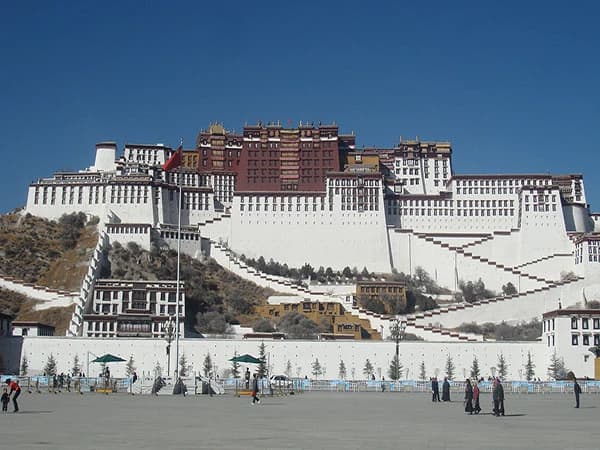
  • Admire Potala Palace, which was the home of the Dalai Lama and is listed as a World Heritage site.
  • Enter the spiritual heart of Tibet within the Jokhang Temple, the most holy site in Tibet.
  • Witness the monks as they debate spiritual doctrines and discover traditional, still active monastic life at the Sera Monastery.
  • Discover Drepung Monastery, once the largest in the world and a central part of Tibetan Buddhist power.
  • Experience the vibrant holy Barkhor Street.
  • Fly over the vast Tibetan plateau and enter the remote wilderness of Western Tibet with a visit to Ngari.
  • See Sacred Lake Mansarovar, the lake held in reverence by four religions and complete a pilgrimage.
  • Meditate and experience spirituality on the tranquil shores of Sacred Lake Mansarovar.
  • Step into the sacred environs of the Himalayas and the sublime Mount Kailash.
  • Stay in the pilgrim town of Darchen, at the base of Mt. Kailash and the gateway to its sacred Kora.
  • Begin the spiritual Kora of Mt. Kailash, a challenging and profound circumambulation believed to purify one's lifetime of karma.
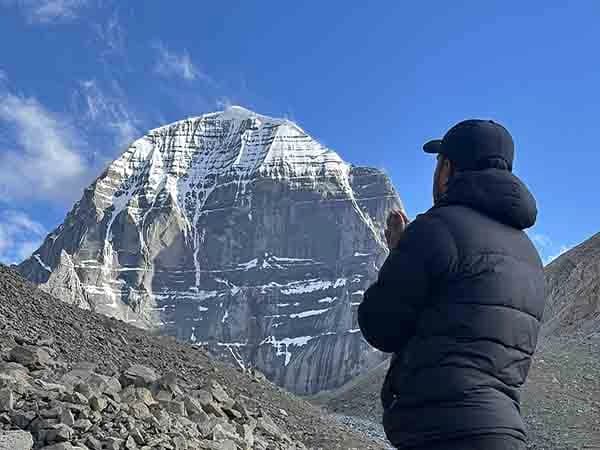
  • Trek to Derapuk Monastery to be overwhelmed by the stunning and closest possible north face of Mt. Kailash.
  • Face and overcome the notorious Dolma La Pass (5600m), the highest and spiritually potent part of the Kora.
  • Visit the Gauri Kund glacial waters, connected with divine feminine power and mythology.
  • Conclude the sacred Kora circuit with a visit to Zutulphuk Monastery and its sacred meditation cave.
  • Complete the ancient and most sacred Kora of Mt. Kailash, an ultimate pilgrimage.
  • Discover the wild and untouched vistas of Western Tibet, with snow-capped peaks, arid deserts and spiritual silence.
  • Combine deep spiritual awareness, the immense beauty of the Himalayas, and the vibrant culture of Tibet.

Why Was This 8 Days 7 Nights Kailash Mansarovar From Lhasa Itinerary Designed By Best Tibet Travel Agency ? 

The reason this 8-day 7-night Kailash Mansarovar from Lhasa trip package is designed the way it is by best tibet travel agency Dream Tibet and Travel, is due to one single purpose: proper acclimatization at Lhasa before undertaking Kora (circumambulation) of the Holy Mt. Kailash and proceeding to high altitude regions. Many people are unable to complete Kailash Parikrama, not due to a lack of devotion and strength, but because of poor acclimatization and weakness, resulting in altitude sickness. Upon getting adapted to the altitude, the chances of completing Kailash Kora increase and make it a more peaceful and safe trip.

Proper Acclimatization Before Kailash Kora

  • You gain altitude in Lhasa itself (3650m-3800m), so your body gets enough time to acclimatize.
  • You have ample opportunities to visit all the famous sights in Lhasa, such as the Potala Palace, Sera Monastery, Drepung Monastery, Jokhang Temple, etc. On these excursions, you learn to walk in controlled breathing and feel comfortable while walking at such a high altitude.
  • Once properly acclimatized, the risk of AMS in Kailash (4500m-5600m) is reduced drastically.
  • On the basis of progression, stamina builds up, and absorption of oxygen is increased more effectively.

Cultural Familiarization Before Entering Kailash Zone

  • Engage in genuine Tibetan Buddhism, monasteries, and rituals in Lhasa
  • Provides travelers with mental preparedness to enter the holy Kailash spiritual domain
  • Deepens personal relation with Tibetan culture prior to the pilgrimage.

Why This Is Best for Flight Route Travelers

  • Suitable for individuals who opt for the Lhasa to Lhasa flight route rather than the extensive road tour.
  • Time saving without compromising with acclimatization and safety; this provides comfort, less strenuous and well-arranged for international trekkers.
  • The program offers a perfect blend of security, sacredness, convenience and effective accomplishment of Kailash Kora.

What Are the Maximum Benefits of Choosing This Lhasa To Lhasa Kailash Tour Package With Dream Tibet and Travel? 

With the Kailash Mansarovar Tour with Dream Tibet and Travel, you will get a safe and spiritually rich traveling experience, while both the Nepalese and Tibetan teams put their best efforts together to assist you.

Reliable experience and professionalism

  • Over 18 years of experience in successfully arranging the Kailash Mansarovar Yatra.
  • Thousands of pilgrims have benefited from completing their pilgrimage through our efficient planning and execution.
  • We have a strong history of successful operation in Tibet, Nepal and the Himalaya regions. Expert in high altitude travelling risk management.
  • An expert in analyzing the condition and situation of the Kailash region.

No Middleman and Honesty Operation

  • No hidden cost because we do not have a middleman, and you will be dealing with the company itself.
  • We are the Government registered Nepal based company in Kathmandu, so highly reliable.
  • The entire program is planned by our Nepalese team in coordination with the Tibetan team on the ground.
  • Communication is always open, direct and live.

Efficient and Expert Nepalese and Tibetan support team

  • Our trained Nepalese staff manage everything during your tour from the start to the end to support and coordinate with the guests.
  • An experienced and professional Tibetan guide, well aware of the entire route and its condition, is managed.
  • Our Founder, Ram, is overseeing all operations throughout.
  • The operation is well-managed with a comprehensive ground support staff in Lhasa, Ngari, and the Kailash region.

Health, Food, and Safety Management

  • We provide fresh vegetarian meals prepared by our internal kitchen staff.
  • Portable oxygen is available upon need during long, high-altitude travel.
  • Regular health checking up is carried out during the trek and driving period.
  • Pure boiled water is provided every day, with the option of mineral water.

Hassle-free package

  1. All the needed permits, visa and Tibetan travel documentation have been pre-arranged.
  2. All the hotel accommodation and transport have been managed properly.
  3. We manage well-thought-out Lhasa acclimatization for the guest prior to the Kailash Journey.
  4. All necessary arrangements for safe and smooth trekking/ Kora have been completed carefully.

24x7 Support and Personalized Assistance

  • All emergency travel assistance is available on call at any given time.
  • A small group tour will allow you to get much individual space and attention.
  • Flexibility for program modification due to weather or the guest’s health condition.
  • Active coordination is guaranteed between the Nepalese and Tibetan teams throughout the trip.

Special Hospitality

  • Garlands are arranged for greeting guests on their arrival in Nepal.
  • The guest will receive a Nepalese shawl to bid farewell in Nepal.
  • We will encourage honest communication between the guests, the Nepalese team and the Tibetan team.
  • We will offer the best Himalayan and spiritual hospitality.

Lhasa Sightseeing Acclimization Tour With Historical and Cultural Places Visit Before Kailash Mansarovar 

Jokhang Temple and Barkhor Street (3650m)

Jokhang temple is one of the holiest shrines of Tibet, which is thought to contain a statue of Lord Buddha, which was brought by the princess Wencheng. Barkhor Street, which circles the Jokhang Temple, is a sacred pilgrimage route where Tibetan devotees perform their kora, the clockwise circumambulation, almost all day.

How this contributes to the acclimatization and the experience:

  • A relaxed walk on a relatively flat surface allows the body to adjust to low oxygen levels at ease.
  • The slow, continuous circuit walk of Barkhor Street trains a specific rhythm of walking and breathing that resembles the kora of Mt Kailash.
  • Observing the crowds and the praying rituals allows pilgrims to develop a calm mental frame at higher altitudes.
  • The light exercise ensures that no sudden fatigue, headache, or altitude sickness is induced.
  • This ritual of spiritual walking in Tibet familiarizes you with the culture and prepares the mind and body for the holy trekking at Kailash.
  • The initial phase of getting used to a low oxygen environment while being engulfed by the spiritual milieu of Tibet.

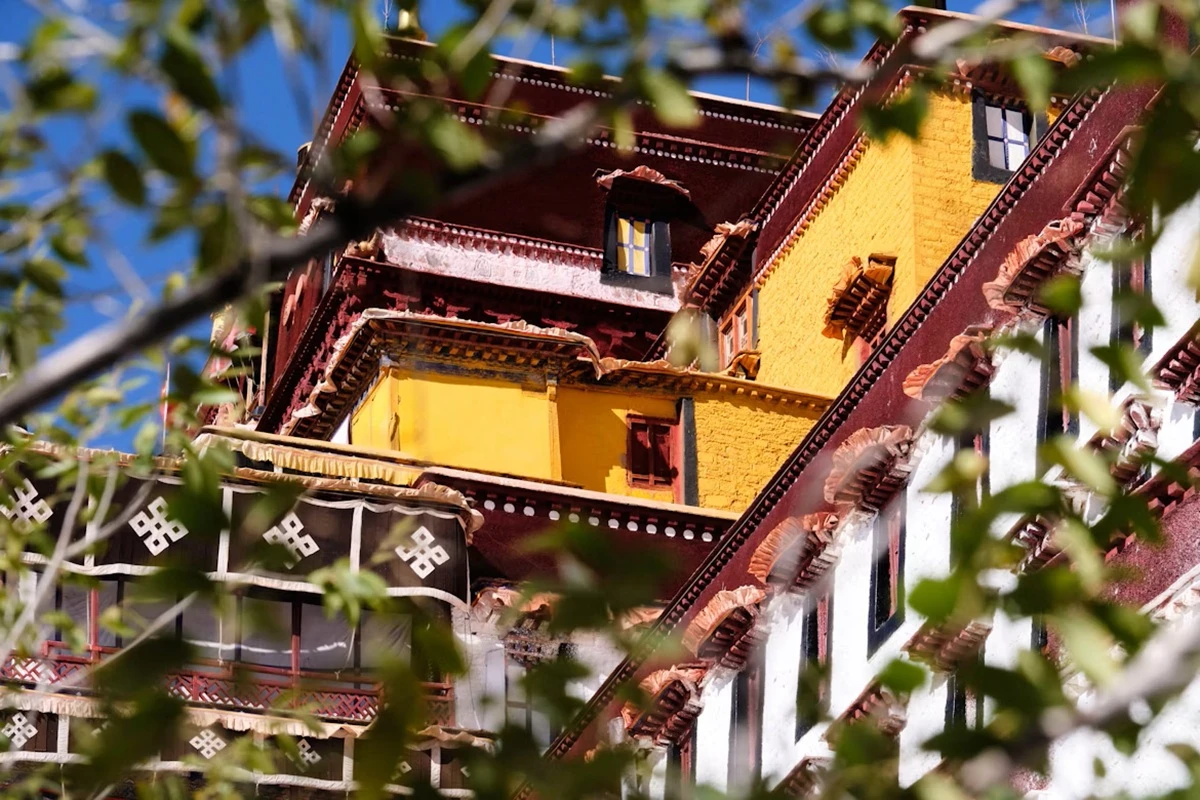
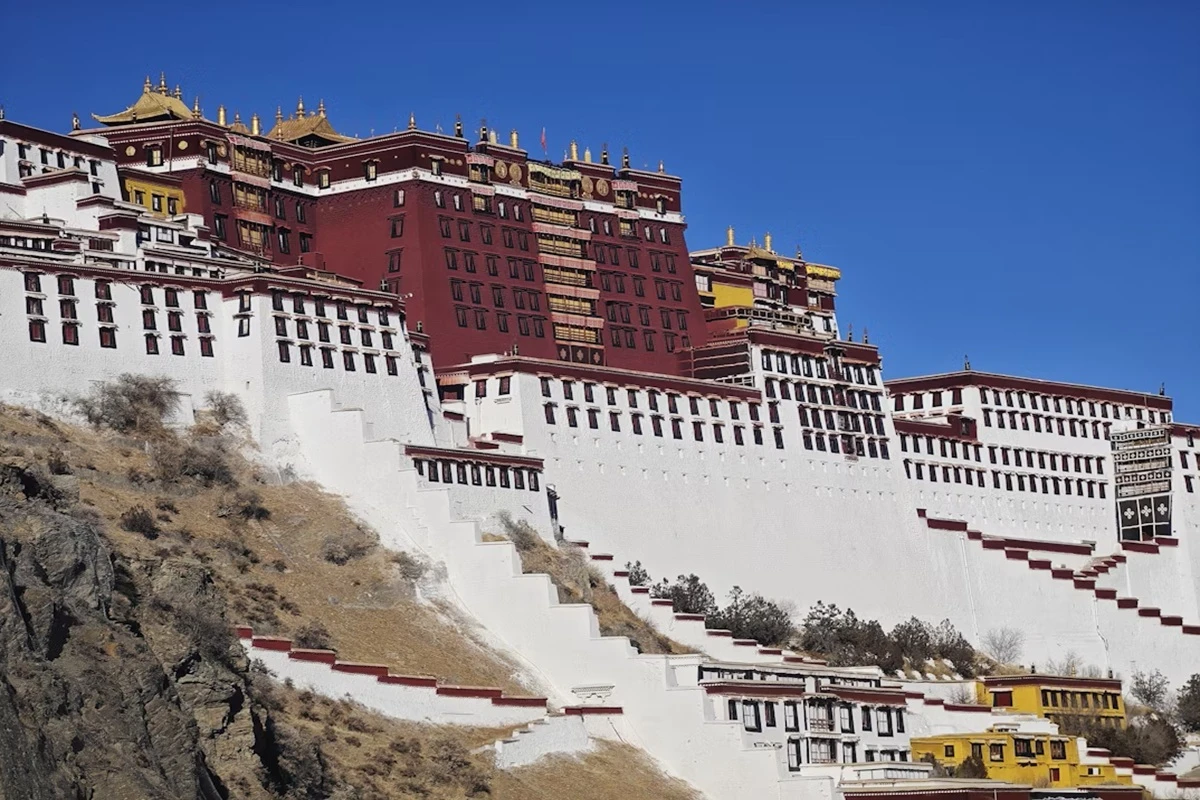
Potala Palace (3700m)

Potala Palace is one of Tibet's most symbolic buildings and was once the Dalai Lama's winter residence. Standing on the red mountain above Lhasa, this imposing building of 13 floors houses over a thousand rooms, chapels of gods, ancient paintings, and golden stupas. It is listed as a UNESCO World Heritage and represents the spiritual and political past of Tibet. It is wonderful to contemplate its amazing Tibetan architecture, contemplate views of the Lhasa valley and learn more about the thousands of years of Buddhist religion and Tibetan tradition.

How it will assist acclimatization and experience:

  • Climbing the stairs helps in gaining strength in the lungs at high altitude, with gradual stair climbing
  • The steps can be broken down into phases to facilitate slow breathing techniques.
  • The gradual increase of altitude in the building is similar to the conditions encountered in trekking the Himalayas in the Kailash region.
  • This will help in gaining leg strength, balance and will improve the effectiveness of the oxygen with lower pressure.
  • It will allow us to observe the body's response to the high altitude in a much more controlled environment.
  • The trip here will provide you with a genuine physical challenge before trekking into the wilderness.

Sera Monastery (3700m)

Sera Monastery is one of Tibet's main monasteries and also one of Lhasa's most well-known universities. It was founded in the 15th century, and it is widely known for its daily monk debate sessions where monks, accompanied by lively gestures and claps, exchange animated discussions on various topics of Buddhism. Visitors can admire assemblies, scriptures, paintings and chapels of monks and witness their living tradition of Buddhism, which reveals an everyday life based on religious learning and Tibetan heritage.

Benefit to acclimatisation and experience:

  • Low-level activity of wandering within the monastery premises encourages the sustained adoption of oxygen into the body.
  • Extended periods of resting in stillness with no activity do not tax the body but promote recovery between low-impact movements.
  • The stillness of the environment helps prevent the spike in heart rate from high-altitude exertion.
  • Promotes slow breathing, which calms the mind and stabilises the body at high altitudes.
  • Allows cultural immersion without taxing physical movement.
  • The stage is for gaining stamina and for initial adaptations of the body.

Drepung Monastery (3800m)

Drepung Monastery is the biggest and one of the most important monasteries of Tibet. Established in 1416, it used to accommodate thousands of monks and was home to the Dalai Lamas before the establishment of the Potala Palace. Spreading on a hill slope in the vicinity of Lhasa, the monastery appears like a white mountain village and the visitors can enjoy wonderful views of Lhasa Valley. The visitors get an opportunity to view the spectacular assembly halls, old chapels, scriptures and colleges of monastic life and Tibetan Buddhism.

This helps in acclimatisation and experience as:

  • Low-level altitude increases altitude adaptation step by step.
  • Walking further for longer distances simulates treks in the Kora of Kailash.
  • Up-hill and down-hill walking effectively trains the heart and lungs for the endurance of trekking.
  • Walking over natural terrain conditions legs, joints and lungs to trek on uneven Himalayan terrain.
  • The body's system begins to learn how to use its limbs, feet and muscles as would be needed on a trek compared to urban walking.
  • This will be the last and final step of altitude acclimatisation before flight to the higher altitude and tougher conditions around Kailash.

Short 1 Week Mount Kailash Trip via Lhasa Flight and Sightseeing in 2026 and 2027

Undertake a Short 1 Week Mount Kailash Trip via Lhasa Flight and Sightseeing. The Short 1 Week Mount Kailash Trip via Lhasa Flight and Sightseeing is the shortest and one of the most spiritual ways to see Tibet's culture and Mount Kailash in the duration of 7-8 days. During this short yet thorough tour itinerary, travelers can witness the cultural hub of Tibet, which is Lhasa. Visitors get to experience the various Lhasa sightseeing and acclimatization spots before moving to the spiritual pilgrimage aspect of the Tibetan people.

The total tour encompasses two kora circuits; the first being the kora around the Jokhang Temple through the street named Barkhor Street, which is a sacred walk taken in a circle around the Jokhang Temple, and then there is the more sacred Kora around the holy Mount Kailash, considered to be the most sacred religious pilgrimage site in the world. The separate kora circuits between the two can be considered a transition from the holiness of a city to the holiness of the mountain.

The route will be entered via a flight into Lhasa, which can be termed as the fastest and most effortless route to reach Mount Kailash, compared to a long journey by road from Tibet, which could take days. Although this Lhasa and Mt Kailash 8-day pilgrimage is shorter, it is one of the preferred tour options due to the fact that it also offers the travelers a complete and safe as well as holy Kailash pilgrimage, with very minimal or rather no stress at all.

Lhasa and Mount Kailash Pilgrimage Fly-In Route In one Trip at Lowest Cost

This Lhasa and Mt Kailash pilgrimage fly-in route offers you a quick, holy and time-efficient way of visiting this great pilgrimage destination in the most efficient and cost-effective way. The tour is specifically customized for tourists, to skip all the hardships and travel fatigue associated with travelling long distances by road and to take the direct flights to Mount Kailash. The pilgrimage starts with arrival at Lhasa Gonggar Airport after Lhasa sightseeing, one of the two international airports located in Tibet, connected by a road to the city itself, taking one hour to reach. Once in Lhasa, the guests are provided with comfortable accommodation and can utilize the rest of the day in adapting to the altitude level, and can enjoy the scenic beauty of the plateau. The entire tour then travels towards West Tibet by flight.

This Lhasa and Mt Kailash pilgrimage fly-in route also features a flight from Lhasa to Purang (Ngari), where one gets exceptionally closer to Mount Kailash. Purang (Ngari) airport is located in the closest proximity to Mount Kailash, making the travel by road only about a few hours from Lhasa to Kailash, compared to several days that would take via the land route. This fly-in mode of transport reduces road travel, enhances comfort and safety for travelers during their travel in the high altitudes and can provide excellent acclimatization.

The entire Lhasa and Mt Kailash pilgrimage fly-in route is available at a minimum cost of US$ 4290 per person, which covers the complete itinerary of the Mount Kailash Mansarovar tour, including all the accommodation, transportation and guiding services and permits. Additionally, round-trip Lhasa-Purang-Lhasa flight service costs an extra US$ 1100 (subject to availability), which will further shorten the travel time. The Lhasa and Mt Kailash pilgrimage fly-in route is one of the most popular and desired tours for modern pilgrims across the globe, as it guarantees a swift and spiritually fulfilling Kailash pilgrimage at an extremely affordable cost.

Kailash Mansarovar Tour From Lhasa To Lhasa By Flight Cost 2026, 2027, 2028

The price of this tour starts as low as US$ 4290.00 per person (group of 03-04 people); the total package includes all of the Kailash Mansarovar itinerary with the assistance of a guide and accommodation, transportation and all the necessary permits, as well as other arrangements through the tour. The cost also ensures a fine experience and a comfortable stay in Lhasa with a hassle-free tour at the high altitude of Kailash.

The Lhasa-Purang and back flight ticket will only cost an extra US$ 1100.00 per person (subject to availability). This is the main attraction of this package and also its highlight, as it effectively cuts the travel duration required for this very far and religious destination. A flight to Purang from Lhasa will not only get you close to the abode of Mount Kailash and Mansarovar but also eliminate the journey on roads, which takes a number of days.

Therefore, this package price goes up to US$ 5390.00 per person, ensuring proper acclimatisation at Lhasa, comfortable 4-star hotels for lodging, as well as the finest available lodging at Kailash.
Itinerary

Kailash Mansarovar Tour From Lhasa To Lhasa By Flight Itinerary and Price

The Kailash Mansarovar tour package from Lhasa to Lhasa flight has been designed by our team to offer you a pleasant, safe and spiritual journey to Mt Kailash and Lake Mansarovar. Focusing on accommodation and acclimatization in Lhasa, sightseeing and comfortable fly-in access to the Kailash region, this package stands as a choice among modern pilgrims.

The cost per person for this package is USD $5390 per person, which includes the flight, accommodation, permit, transportation, as well as the service of the guides. We can arrange an itinerary based on the required itinerary according to your need, the size of the group and the comforts to suit your needs. The above itinerary has been designed only by our Tibet and Nepal-based experts, who have organized various Kailash tour packages successfully with their expertise from years of guiding travelers through their route knowledge and altitude conditions.

Procedure for Tibet Group Visa in Kathmandu

The Tibet Group Visa will take care of all the visits in Tibet and Mt. Kailash, and the visa applications will be processed in Kathmandu according to the instructions and procedures from the Chinese Embassy in Nepal. According to the present regulations, a group of at least 5 people is eligible for a group visa, and the personal visa is not applicable to Tibet.

The original passport needs to be given to the appropriate staff in Kathmandu to process the visa, and the normal visa application processing usually takes 3 working days, which includes inspection of documents and approval from the embassy.

Regulations and entry policies to Tibet change from time to time and often without notice, so please reconfirm the latest regulations with the Chinese Embassy in Nepal or the Dream Tibet Travel team before you book your tour. Any queries and questions about Tibet, Mt. Kailash and Bhutan tours, please feel free to contact us.

Trip PlanExpand all
Max Altitude: 3650m Meals: DinnerAccommodation: Hotel Shambala (4*) or Thangka Hotel

Your flight will bring you into Lhasa Gonggar airport, 62 km southwest of Lhasa center, at an altitude of 3570 m. From the moment you get off the plane, you'll sense a slight and immediate physical change, a small but noticeable pressure behind the eyes, a slight tightness in the breath when you lift your bags. 

Your local Tibetan guide will greet you in the arrivals area, carrying a name sign and saying hello with the Tibetan blessing Tashidelek which wishes you good luck, health and prosperity. Your guide will also talk about your altitude sickness precautions during a 60-90 min drive along the Lhasa-Gonggar Expressway, crossing over the broad river valley of Yarlung Tsangpo, bordered with steep and orange colored ridgelines under an incredibly blue sky.

You will check into a local hotel, which is spacious and comfortable. You need to eat a light dinner of rice or soup. It is also advised to consume three or four liters of water before bed, but no alcohol at all.

Max Altitude: 3800m Meals: Breakfast, Lunch, Dinner (B/L/D)Accommodation: Hotel Shambala (4*) or Thangka Hotel

Following breakfast at your hotel, your guide will meet you and pick you up for a full day of Lhasa sightseeing. The day starts with a visit to Potala Palace, the principal symbol of Tibet and the former winter residence of the Dalai Lamas. This imposing 13-storey edifice perches on top of Red Hill and boasts over 1000 rooms that contain myriad chapels, divine murals, Buddhist figures and the golden tombs of the former Dalai Lamas. As you ascend the steep stairways of the Potala Palace, you will be treated to breathtaking views across the Lhasa Valley. From the Potala Palace, visitors will receive an eye-opening introduction into the religious, political, social and architectural background of Tibet. In the afternoon, visit the most holy of temples, Jokhang Temple, the spiritual centre of Tibet. Tibetan pilgrims flock to Jokhang Temple to offer butter lamps and say prayers while turning their prayer wheels. From here, walk along Barkhor Street, Lhasa's oldest shopping area, where pilgrims and Tibetans complete the kora walk that encircles the temple. You can spend time perusing the countless stalls for items such as prayer flags, Tibetan jewels, handicrafts, incense and items of Buddhist worship, and also witnessing the lively local trade. Drive back to your hotel for an overnight stay in Lhasa.

Overnight: Lhasa Hotel Shambhala (4), Thangka Hotel, or similar.

Max Altitude: 3700m Meals: Breakfast, Lunch, Dinner (B/L/D)Accommodation: Hotel Shambala (4*) or Thangka Hotel

After breakfast, explore the rich Buddhist culture of Tibet by visiting the two most significant monasteries in Lhasa. First is the Drepung monastery. This was once the biggest monastery in the world and the residence of the Dalai Lamas until the construction of the Potala Palace. The monastery is situated on a slope and looks like a white mountain village from a distance. While visiting the various assembly halls, chapels, courtyards and monks' residences within the monastery, you will learn about the education and daily life of Tibetan monks. From here, great views over the Lhasa valley and mountains are observed.

Later, visit Sera Monastery, the most famous monastic university of Tibet. The monastery is famous for the monk debates, which take place in the monastery every afternoon under a shady yard. This is a unique aspect of the Buddhist religion which fascinates most tourists. Monks sit on a stage where they debate the religious texts. They use hand-clap and gesture techniques to ask their partner the Buddhist philosophical questions, to which the partner is supposed to answer within a set time limit, in a very aggressive and exciting way. Finally, return to your hotel at the end of the day, and the remaining evening is free to visit the place at your own leisure.

Overnight at Hotel Shambhala (4), Thangka Hotel or similar.

Max Altitude: 4590m Meals: Breakfast, Lunch, Dinner (B/L/D)Accommodation: Hotel Himalayan Kailash or Hotel Xampe

Your journey will begin at 6 AM as you will be transferred from your hotel to Lhasa Gonggar Airport for an early morning flight to Purang. The journey of over 1200 kilometers is primarily over the Tibetan plateau, the flight taking two hours. From your left-hand side window seat, the enormous scope of the plateau is overwhelming, brown and golden in its extent and dotted with the frozen beds of rivers, the glimmer of silver salt lakes, and to the south, the white massif of the Himalayas, stretching west to east in a giant curve.

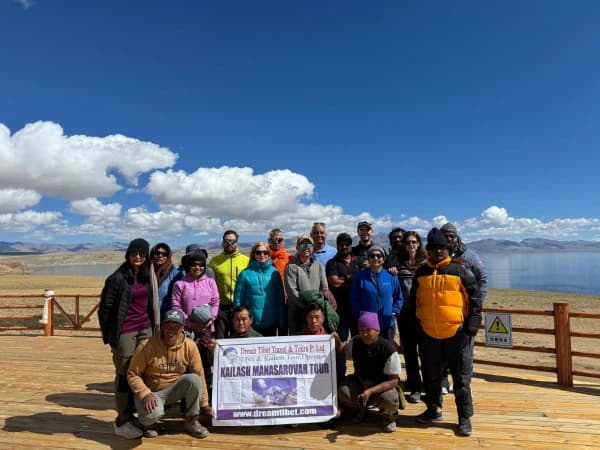
Upon arriving at Purang, you and your driver will head directly to Lake Manasarovar (4,590m), which is one of the highest freshwater lakes in the world. Lake Manasarovar is holy to the Hindu, Buddhist, and Bon religions and is 320sq km. When the skies are clear, the turquoise water mirrors the northern, black pyramid that is Mt Kailash with uncanny accuracy. Stroll around the lake for 15 to 20 minutes. Observe the pilgrims place their hands in the water and then touch them to their foreheads.

Continue for 60 km further on, until you reach Darchen, the staging post for the Kailash Kora at about 4575 meters. Let your expectations manage you now, as it will be time to unpack, leave the bulk of your gear at the Hotel Himalayan Kailash or Hotel Xampe, and prepare for the start of the Kora tomorrow.

Max Altitude: 4810m Meals: Breakfast, Lunch, Dinner (B/L/D)Accommodation: Basic Guesthouse

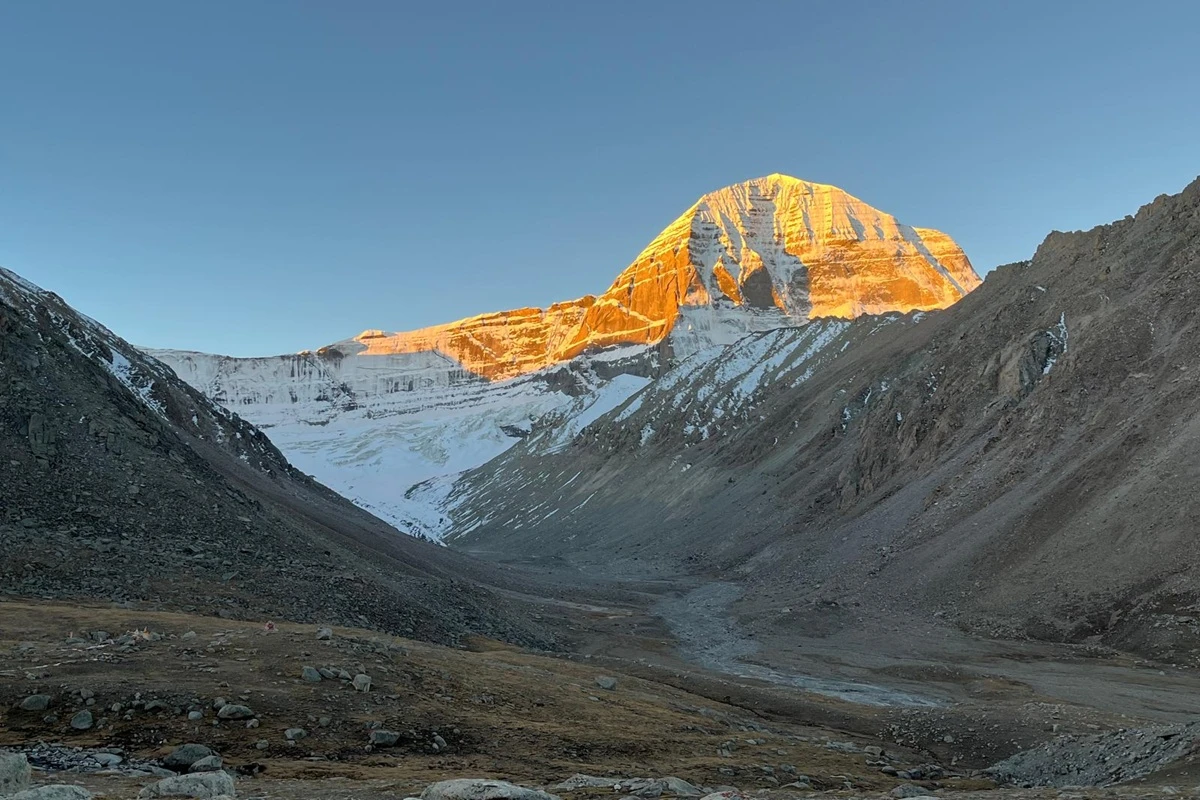
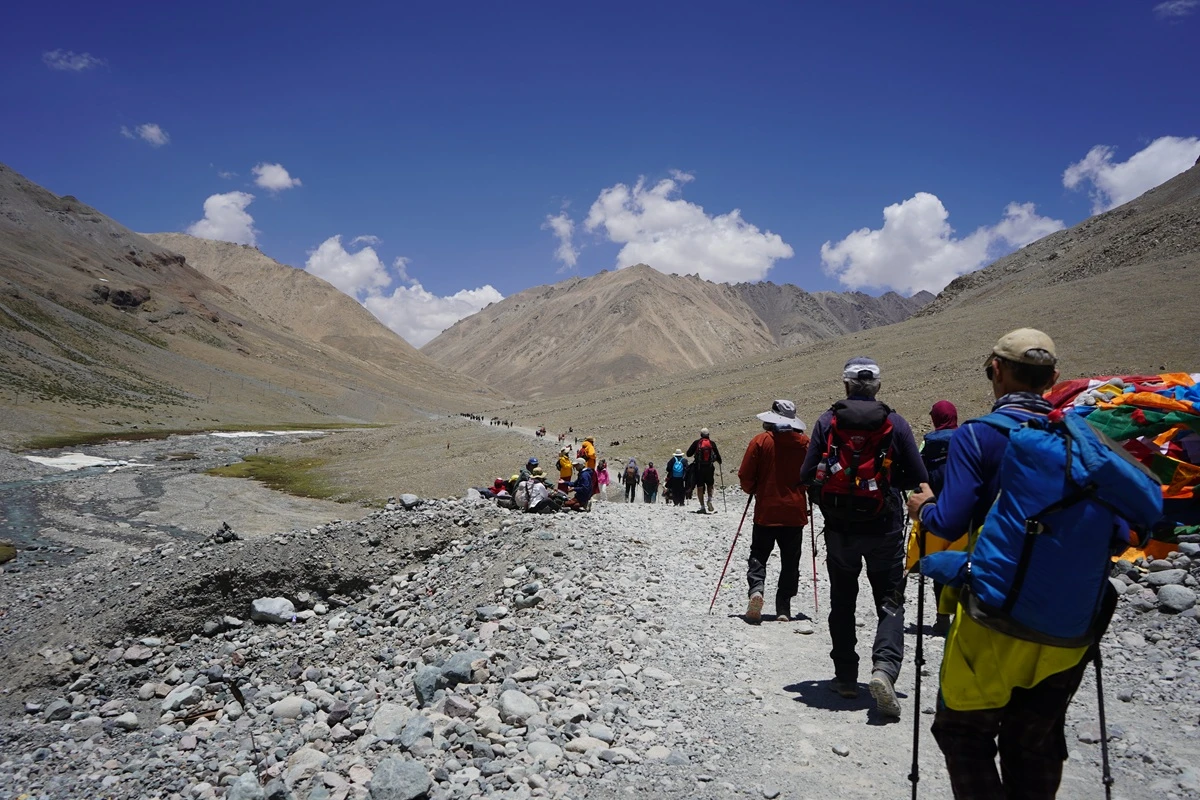
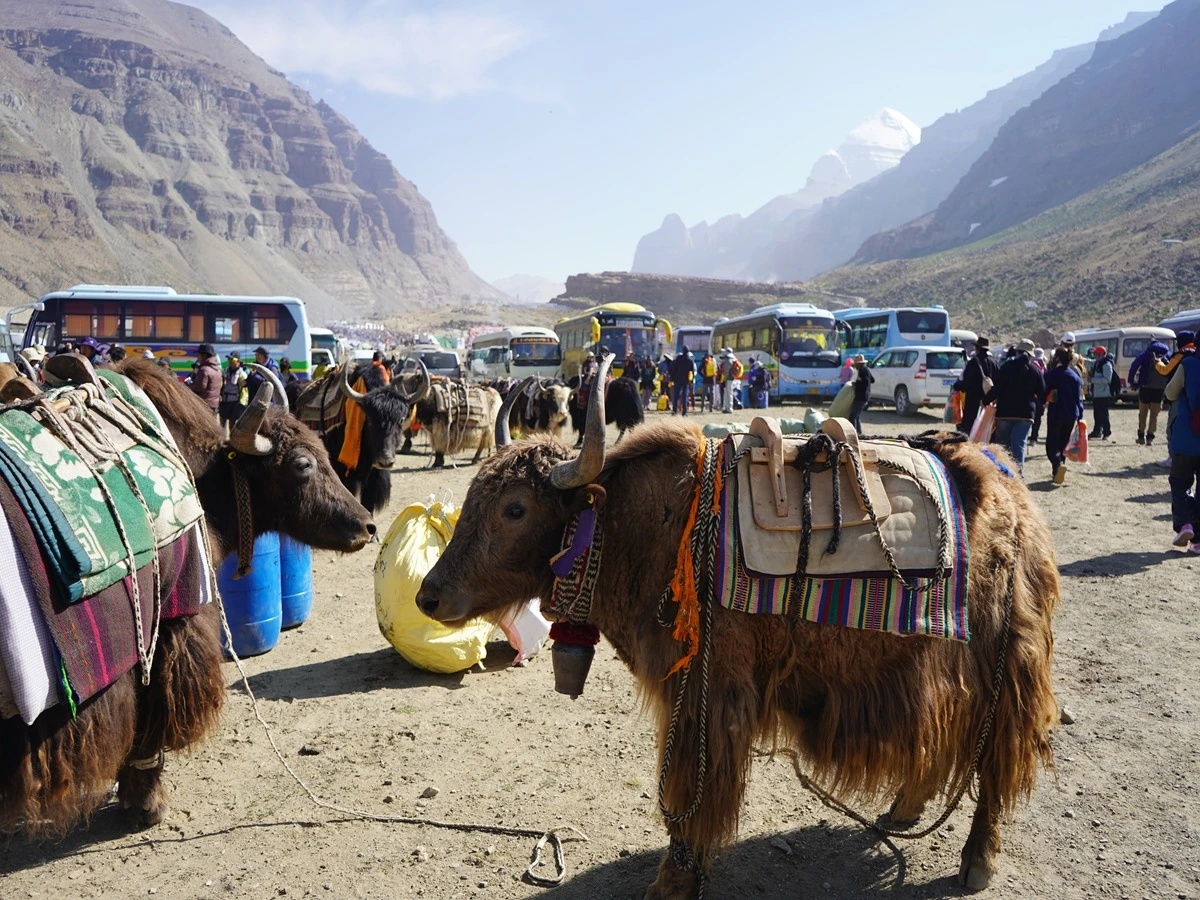
You will set off from Darchen at 8 am, following breakfast. You will begin on a flat, wide valley floor with the southern face of Mount Kailash looming ahead; a perfect black pyramid of metamorphic rock and everlasting snow to a summit altitude of 6,638 meters. For the first two hours, you'll amble across fairly flat terrain where Yaks wander freely; their strings of prayer flags fluttering violently between rocks on their mooring posts in the chill wind. To your left is Chuku monastery, perched on a sheer cliff face; a very small but well-loved monastery where monks live their days in isolation from the 'modern' Lhasa.

The track then closes as you enter the Lha Chu River Valley gorge and begins a slow, steep climb up a narrow canyon corridor, with colored prayer flags suspended overhead. The terrain underfoot is rocky and well-marked and sees a great deal of pilgrim traffic from India, Nepal and Tibet. For children and the less energetic members of a family, horse handlers can be arranged in Darchen. Book horses the previous night, not the morning of the trek.

Six to seven hours into your walk, the valley suddenly opens, and the north face of Mount Kailash takes over your complete field of vision. A sheer, vertical, dark granite wall scored by ice. Most pilgrims are rendered speechless. Tears may flow, not dramatically but genuinely- the view certainly deserves it. In the Diraphuk Guesthouse, we have dormitory-style accommodation, noodle soup, fried rice, a squat toilet, and no hot showers. Sleep in your thermals, and try to mentally prepare yourself for the hardest day.

Max Altitude: 5630m Meals: Breakfast, Lunch, Dinner (B/L/D)Accommodation: Basic Guesthouse

You wake at 5:30 AM and have what is available for breakfast at your guesthouse. You today make the crossing of the Dolma La Pass at 5,636 meters, the highest point on the Kailash Kora and the highest of any mountain pass regularly crossed by non-mountaineers, anywhere on earth. Your trek upward will be continuous upon leaving Diraphuk, although it will steep considerably during the final two kilometers. You are truly at a high altitude now; every step will have to be conscious. Take all breathing through your nose. Rest every twenty steps or as you need. There is no deadline to be aware of, other than your own well-being.

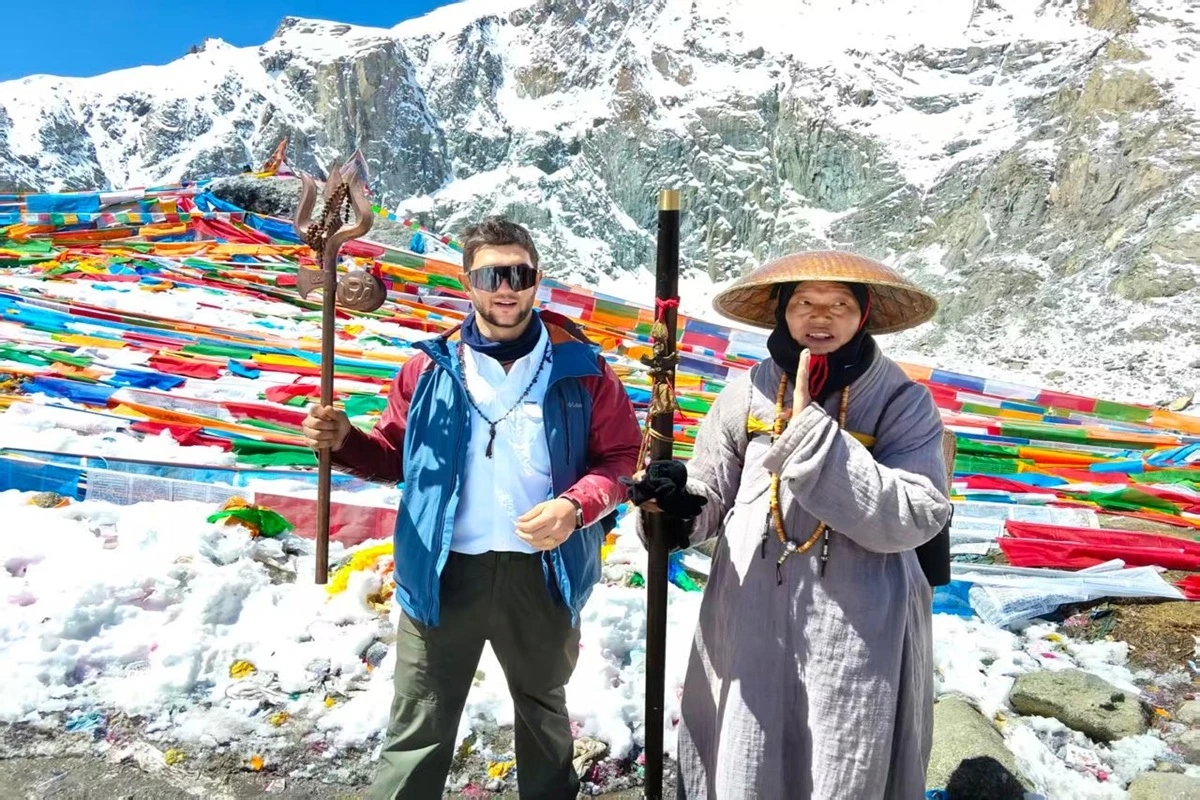
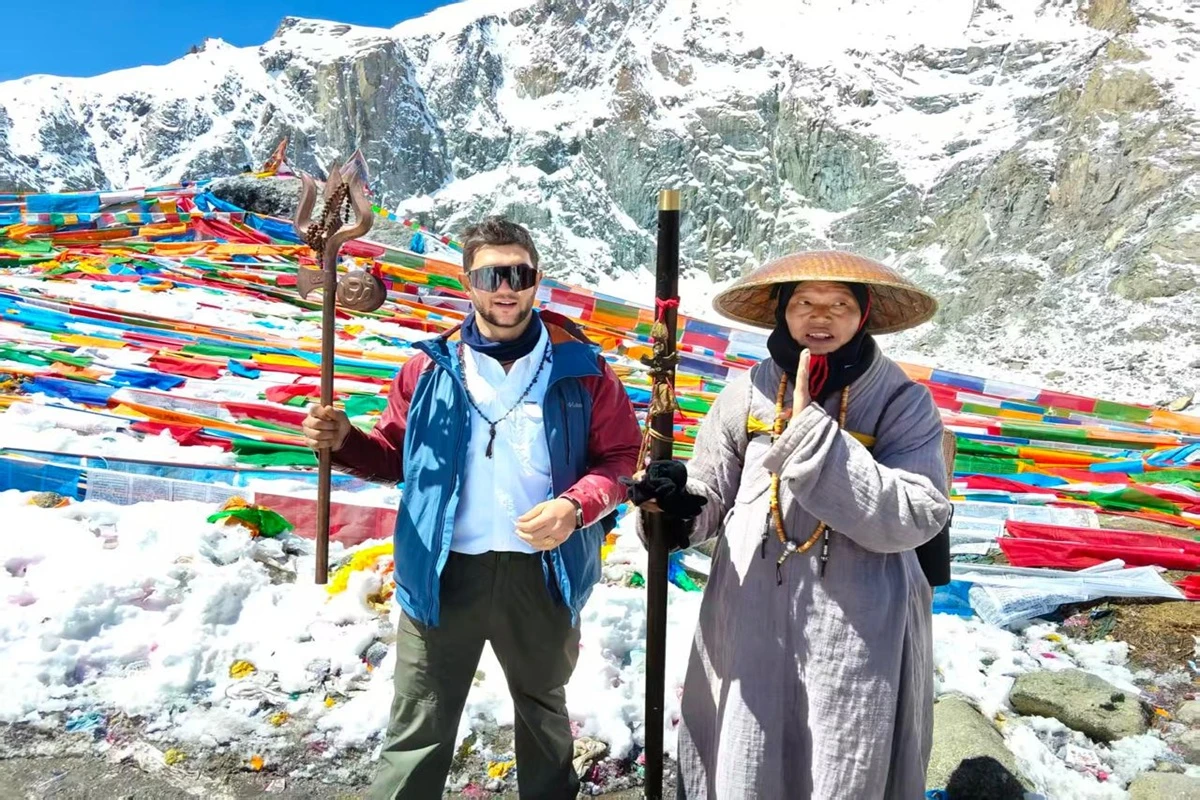
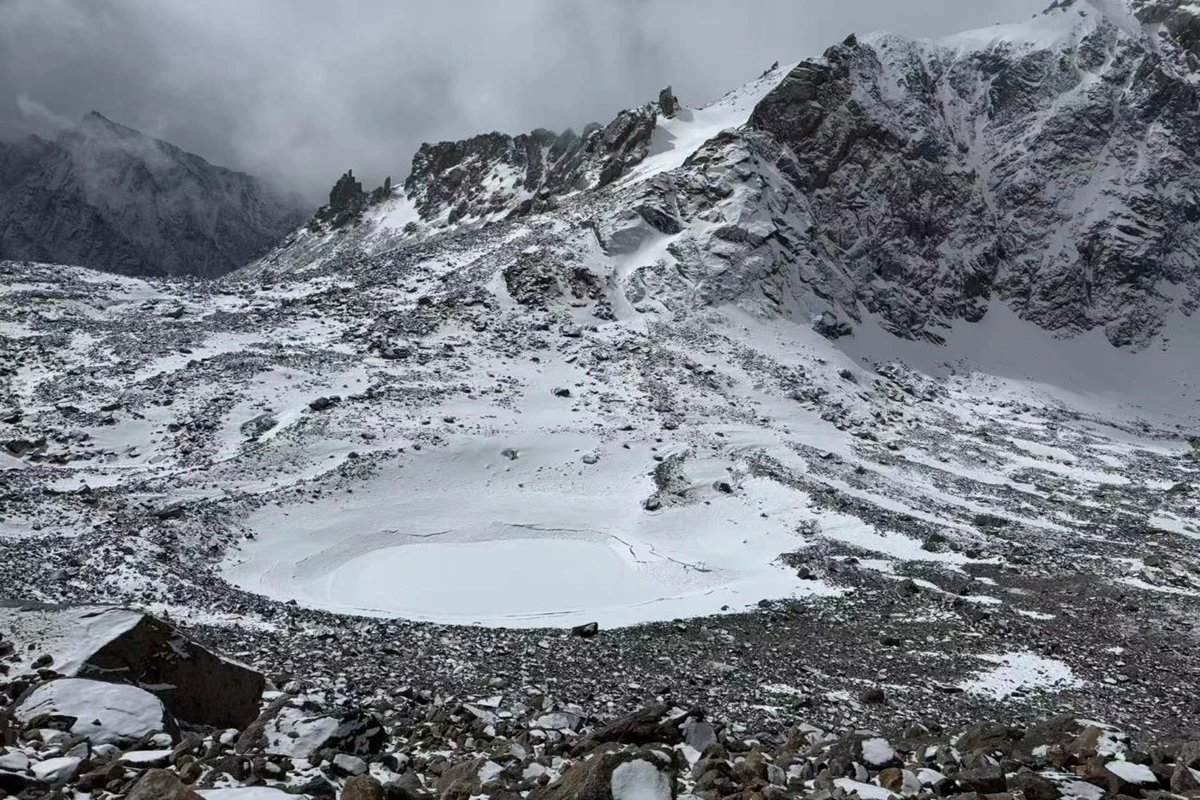
Up at the top, hundreds of colorful prayer flags are draped from every rock, every rope, every cairn. Pilgrims attach their own offerings-locks of hair, photos of the sick, rags of clothing, coins. The custom symbolizes death and rebirth; you are going through, not merely over. The path then dips down to Gauri Kunda, a tiny glacial lake, almost permanently frozen over. Hindu legend says this is the bathing pool of Parvati, the goddess; in contrast to the surrounding gray rock, it is striking, a silent and dark pool.

The walk down to Zutulphuk Guesthouse is another three or four hours over rocks which batter tired knees. Here, you can stay in dormitory beds, eating simple meals and sleeping in the same large room with pilgrims of every religion and nationality.

Advice For All Horse / Pony Riders: At all times, horse or pony travelers are to be alert and never fall asleep while on a horse/pony. Additionally, mountain areas that are steep/slippery (especially the Dolma La Pass) should be walked down.

Note: If you choose to return to Darchen from Diraphuk and not continue on to Zutulphuk, please inform your guide well ahead of time so that the necessary arrangements can be made. Any costs (transport, accommodation, meals) associated with the change in your itinerary will be the responsibility of the traveler.

Max Altitude: 4720m Meals: Breakfast, Lunch, Dinner (B/L/D)Accommodation: Hotel

On the final trek on the Kailash Kora, wake at 7 am. This is all downhill from Zutulphuk, crossing the expansive flat Barkha plain. On this wind-blown grassland, yaks roam in their thousands, nomad tents hunkered low against the wind, and the south face of Kailash withdraws behind you. Three hours and ten kilometers: this final leg of the journey feels quite different from the first two-quieter, flatter, and so physically kind. 

Pick up your stored luggage from the hotel. It's important to take some time sitting outside before starting your drive. Darchen to Purang is a 60 km drive through barren mountain landscapes, narrow river gorges, and the odd border post or two, at which point your guide will handle all of your permit requirements.

Check into your Purang hotel, which will feel like luxury after 2 nights in basic guesthouses. Eat a decent dinner; Tibetan and Chinese food is available in Purang restaurants, and the quality of food is quite dependable. Spend the evening charging all electronic devices, reorganizing the bags before the flight, and getting a proper rest.

Max Altitude: 3650m Meals: Breakfast

You will wake early and have a good breakfast, then it is time to transfer to Purang Airport. Your Tibetan guide and any associated Nepalese group staff will bid you a genuine farewell at this point. They have dealt with all your permit applications through many restricted areas, assessed the altitude on everyone in your group every single day, negotiated at each place you stopped in terms of translation, and have made all the necessary calls that ensured your family was safe traversing terrain from 4000m up to 5600m. Take the time to thank them individually.

You will fly from Purang to Lhasa to catch a flight to wherever your next destination may be. Passengers to mainland China will be transferred at Lhasa Gonggar airport onto internal Chinese airlines. Passengers to Nepal will take a Lhasa-Kathmandu flight (these are serviced by Air China or Sichuan Airlines). Confirmation of your onward flight should be done before the end of Day 6, as it is vital; flights departing from Lhasa are often over-booked at this time of year, and your tour leader needs to confirm a seat well in advance.

Exit Tibet Options

Take a flight from Purang to Lhasa, and then depart by international flight from Lhasa directly to Kathmandu, Nepal, or by domestic flight from Lhasa to other major cities in China (Chengdu, Beijing, Shanghai, Xi'an, Kunming, Guangzhou, etc.), and transfer to an international flight from these cities. Onward flights, in particular, should be booked well in advance due to pilgrim season.

Couldn't find what you're afterReach out to our travel experts.
Cost Details
Includes
  • Luxury 4-star hotel in Lhasa with modern facilities and standards of Hygiene.
  • Standard / Deluxe accommodation in the Kailash region (Darchen, Derapuk, Zutulphuk) - guesthouse/ hotel.
  • Private and comfortable transportation all over Tibet in a well-maintained vehicle.
  • Necessary Tibet Travel Permit, Alien Travel Permit, trekking permits, etc.
  • Experienced English-speaking Tibetan guide throughout the tour.
  • Complete Sightseeing tours in Lhasa with entrance fees.
  • Full board meals managed by a skilled Nepalese kitchen team from Kathmandu (Full Board 2 Meals will be taken with the hotel during the Lhasa trip).
  • Support Logistics truck along with the coordination support from Kyirong Border with Nepalese Staff.
  • An oxygen cylinder in a vehicle for emergency high altitude purposes.
  • All government taxes and local charges are included.
  • Professional ground handling and coordination by Nepalese and Tibetan teams.
Excludes
  • International flight or Train tickets to Lhasa and out (not included)
  • Flight tickets from Lhasa to Purang and back (if available with additional cost)
  • Personal Expenses: laundry, drink, snack, tips and additional services
  • Porter or pony hiring during the Mount Kailash Kora trek
  • Emergency rescue, helicopter, or medical evacuation (if needed)
  • Travel insurance (must have for this tour, but not included in package)
  • Extra cost arises due to weather, road blocks, natural calamities, etc.
  • Any service not mentioned in the package.
Essential Information

Understanding the Best Time to Visit With Weather Conditions

Best season to visit the Kailash Mansarovar (May - Sep)

In general, the best season to visit Kailash Mansarovar would be from May to September. During this period, Kailash is opened to pilgrims, and the weather is more stable. The snow melts at this time, and the higher passes, such as Dolma La, are opened for Kora. The only flight into and out of the Kailash region from Lhasa can be made during this season.

Weather in Spring and Early Summer (May-June)

The weather in May-June is cold but tolerable (5°C - 15°C in the lower regions such as Lhasa). Skies will be clear, which ensures very good views. High passes such as Dolma La may be covered in snow but are open and stable. These months will also ensure excellent sightseeing and acclimatization.

Influence of the Rains and the mid-season (July-August)

The weather during July-August will be a few degrees warmer and will often be subject to some variability. Rains will be unlikely, as the Tibetan Plateau is situated in a rain shadow. The landscapes will be greener with abundant flowers, which offer good conditions to perform the Kora. Crowds are at their most dense in the middle of the season, though not too extreme.

Clear skies in Autumn (September)

September will offer impeccable views of Mount Kailash, with very clear skies and the most pleasant temperatures to trek the Kora.

Accommodation on Kailash Mansarovar Tour From Lhasa To Lhasa By Flight

Location

Hotel / Stay Name

Star Category

Facilities Available

Lhasa

Hotel Shambala / Tangka Hotel

4 Star 

Luxury rooms, heating, attached bathroom, oxygen support, WiFi, restaurant

Lhasa

Similar 4 star city hotels

4 Star 

Modern rooms, hot water, heating, city facilities, Tibetan and international meals

Darchen

Himalaya Kailash Hotel / Purang Kailash Castle / similar

3 Star  / 4 Star 

Private rooms, hot water (limited), heating, restaurant, basic luxury in remote area

Mansarovar Area

Government/Basic Guesthouse (near lake region)

Basic

Very basic rooms, shared toilets, limited heating, simple bedding

Derapuk (Kora Day 1)

Derapuk Monastery Guesthouse

Basic

Dormitory beds, shared toilets, no heating, basic meals, power limited

Zutulphuk (Kora Day 2)

Zutulphuk Guesthouse

Basic

Basic dorm rooms, shared facilities, limited electricity, simple food

Accommodation in the Kailash Mansarovar Tour from Lhasa to Lhasa by flight is primarily selected for comfort, proper acclimatization and safety at all different levels. In Lhasa, one can enjoy standard quality luxury accommodation in 4-star hotels like Hotel Shambhala, Thangka Hotel or similar category properties. These hotels have a comfortable ambiance and have modern amenities with optional oxygen facilities, heating, etc., making them suitable for acclimatizing to the high altitude.

The hotels are situated in well-connected parts of Lhasa, thus providing easy access to prime tourist destinations such as the Potala Palace and the Jokhang Temple. For the pilgrimage part, most of the nights will be spent staying in good, safe guest houses available with twin and triple sharing, whereas for the three nights at the Lhasa hotel it will be with twin sharing.

In Western Tibet, during the pilgrimage part, due to the very remote location, accommodation facilities are more basic and simple in terms of comfort, but definitely secure and clean. Darchen accommodation includes hotels such as the Hotel Himalayan Kailash or similar best-available local lodges to serve the trekkers before and after the Mount Kailash Kora. In Derapuk and Zutulphuk, accommodation consists of very simple guesthouses or dormitories where one sleeps on beds/mattresses, with shared facilities, but our Nepalese team ensures warm meals and a safe dwelling.

Meals During Kailash Mansarovar Tour (Breakfast, Lunch and Dinner Plan)

During your Kailash Mansarovar tour, our full board (Breakfast, Lunch & Dinner) package will ensure you receive all the necessary nutritional, hygienic and energetic food support throughout the high-altitude pilgrimage tour. Since it's a holy pilgrimage site, we offer you pure vegetarian, simple, tasty meals, which are highly suitable for Lhasa's acclimatization as well as the strenuous Kora to Mt. Kailash. These are cooked and managed by our most experienced Nepalese kitchen team and local support staff.

Breakfast

Hot, energetic breakfast served every day at the hotel/guesthouse in various locations and hotels-mostly on Lhasa, and other travel destinations and towns during your itinerary.

  • Usually includes tea/coffee, bread, porridge, egg (vegetarian alternate available), butter, jam, and simple local Tibetan or continental items to start your day.
  • Supports to kick-start the day with warm energy
  • Assists in adjusting to the altitude with easily digestible food
  • Mandatory for trek days and early morning drives to start your day with energy.

Lunch

A quick, easy-to-digest hot or pack lunch will be served during your journeys between the destinations, e.g., between Lhasa and Darchen or between several halts during your Kailash Kora.

  • Usually it's Rice, vegetables, noodles, dal, soup, light curry and other simple food items.
  • Provide sufficient energy during traveling between locations at the altitude.
  • Easy-to-digest food is provided during travels to sustain energy levels in the Himalayas.
  • The pack lunch makes your travel experience seamless without any major stoppages.

Dinner

A hot, nutritious and energizing dinner will be served at the hotel/guesthouses after completing your daily tour/trekking activity. This is the most essential part of your daily plan in terms of the recovery of your body.

  • It includes Rice, Dal, vegetables, Curry, soup, chapati and other hot vegetarian food items. Warm beverages like Tea, soup or Ginger water will also be included for better rest.
  • Good for recovering from the tiredness of large walking distances and high altitudes.
  • Provides essential nourishment to gain energy and stamina for the next day.

Packing List for Lhasa Sightseeing Combined with Kailash Mansarovar Tour

This packing list is created specifically for a combined tour of Lhasa sightseeing and Kailash Mansarovar. As this tour includes locations at moderate altitudes in Lhasa and extreme low temperatures of Kailash, adaptability to changing climate is vital. A system of wearing layers will be effective during these varied temperatures, and it will keep you comfortable on your travels and in hotels, while in lower altitude areas and Lhasa city, where a heavy layer may become cumbersome. Lightweight trekking gear is easily found in Kathmandu if necessary.

Luggage & Backpacks

Personal traveling bag for your arrival in Nepal.

  • 1 Duffel Bag provided by Dream Tibet Travel to use on the Kailash portion of your journey.
  • Your extra luggage will be securely stored at your hotel in Kathmandu.
  • Small rucksack or handbag to use during daily sightseeing.

Clothing (Layering System for Low Temperatures)

  • 1 warm down jacket for high altitude treks.
  • 2 t-shirts to be used as an inner layer.
  • 1 thermal body warm inner for maximum warmth.
  • 1 warm light jacket or sweater for Lhasa sightseeing.
  • 1 pair of warm pants for low-temperature weather.
  • 1 pair of windproof trekking pants for the Kailash region trek.
  • 2 pairs of lightly worn pants or shorts for use in hotels or while traveling at a lower altitude.
  • 1 thermal inner pant to be used on very cold nights.
  • 1 warm woolen hat to keep your head safe from the chilly air.
  • 1 muff/face cover to keep your nose and mouth warm.
  • 1 pair of warm woolen gloves to use on your high altitude trek.
  • 2 pairs of warm woolen socks.
  • 2 pairs of lightly worn socks for the lower altitude areas.
  • 1 pair of waterproof hiking shoes.
  • 1 pair of lightly worn shoes or sandals for use in the hotel.
  • Sleeping Bag: (A warm sleeping bag can be arranged or will be provided to all travelers once booked.

Medicines and Health Essentials

  • Any personal prescription medicines you may have.
  • A basic first-aid kit will be provided by the guide.
  • Recommended: Medicines to prevent altitude sickness, headaches, fevers, and vomiting/diarrhea.

Free Travel Gear Provided by Dream Tibet Travel (You Get to Keep Them)

To ensure your trip is both comfortable and worry-free around Kailash Mansarovar, Dream Tibet Travel will provide every traveler with a complete travel set. All travelers receive this set of items at the beginning of their journey:

You receive:

  • 1 dark blue day-pack rucksack with a front zip pocket, side mesh pockets, and an ID window.
  • 1 premium orange insulating winter down jacket with a hood to guard against the Himalayan low temperatures.
  • 1 black fleece winter beanie cap to protect your head from the chilling wind.
  • 1 large strong blue duffel bag that comes with robust carrying handles, compression straps and an ID window.
  • You get extra carrying help as well, which should make getting around your trek along the route of Kailash.

What Permits are Required for Mount Kailash and Lhasa Sightseeing Yatra?

Tibet Travel Permit

To travel in Tibet, travelers who have joined the Mount Kailash & Lhasa sightseeing yatra require this Tibet travel permit, which can only be obtained through a registered travel agent in Nepal after booking the package and submitting a copy of their passport. There is no extra charge to the traveler for the permit.

Chinese Group Visa (Tibet Visa)

The Chinese Group Visa is issued by the Chinese Embassy in Kathmandu to all Kailash pilgrims with a requirement of a minimal number of group members for processing the Visa. The charge for the Visa may vary from USD 120 to 160, depending on the country of origin and the embassy's rules and regulations. The original passport should be submitted 3-4 working days prior to the date of entry to China. A Chinese Group Visa is necessary for entering Lhasa, as well as for entering the Kailash region beyond Lhasa.

Aliens Travel Permit and Military Permit

An extra two permits, called the aliens travel permit and the military permit, are required to enter the restricted areas, such as Ngari, Lake Mansarovar and the region of Mount Kailash. The tour operator makes this arrangement with an inclusive charge; these permits can only be obtained once you are inside Tibet from the Chinese governmental offices in Lhasa.

Booking with Dream Tibet Travel with Step-by-Step Process for Kailash Mansarovar Tour Via Lhasa

Booking your Lhasa to Lhasa Kailash Mansarovar tour by flight at Dream Tibet Travel is easy and straightforward. Operating with a team of operations in Nepal and Tibet, we arrange all the bookings accordingly.

Step 1: Inquiry & tour information.

You contact Dream Tibet Travel with the desired year to make a tour, 2026, 2027, 2028, group size and tour preference, and we give information of itinerary, cost, flight package, availability and so on.

Step 2: Passport scan submission and Confirmation

Please send a scanned copy of your passport to Dream Tibet Travel by email. After confirming with us, you need to pay USD 300 pp as a trip confirmation deposit by online credit card payment or bank transfer to guarantee a seat for you.

Step 3: Original Passport Submission.

Your original passport must be required by us 3-4 working days in Kathmandu, Nepal, before the flight date to apply for the Tibet Group Visa Permit.

Step 4: Permit and visa Processing

Our Kathmandu Agent will do it for you and apply it through the genuine authority with authentic procedures to submit all the official processes, like the Tibet travel permit & group visa. And the whole process is our responsibility to finish.

Step 5: Flight and Arrangements

We can provide you with the Lhasa - Purang - Lhasa flight booking (If operated). Besides this, we also arrange the Lhasa hotel, Lhasa transportation and Lhasa acclimatization schedule for you.

Step 6: Final Preparations. We can provide you with the fully equipped travel manual, clothing list, high altitude suggestions, and important contacts with travel equipment.

Step 7: Tour Arrival and Operation

We welcome you at the Lhasa airport with our Tibetan guide. Then the entire journey will begin with the sightseeing and acclimatization of Lhasa, Kailash trekking.

Step 8: Tour end and Departure

After the completion of Kailash Kora, you will return to Lhasa, and we will help you to say farewell to us and manage other tour plans for your departure.

Health Precautions for Mount Kailash Mansarovar and High Altitude Travel 

Oxygen levels and High Altitude Sickness

The oxygen level is very low at high altitude. Individuals might develop symptoms such as headache, nausea, shortness of breath, fatigue, giddiness, insomnia and irritability. Regardless of age and fitness, these symptoms can appear in everyone. The causes are normal symptoms of adapting to low oxygen levels. A practical remedy and best solution is the slow and smooth acclimatisation and keeping away from overexertion.

Rules for the Journey

  • Don't get yourself exhausted (physical and mental).
  • Avoid unnecessary talks and control your breath to keep it slower.
  • Maintain the speed at one-third the walking pace.
  • Rest for every half an hour for 5 minutes.
  • Don't carry heavy luggage to avoid exertion at high altitude.
  • Don't hurry up steep climbs. Take measured paces.
  • Never be away from your team members; follow the instructions given by the guide.

Rules of drinking water, food and energy management

  • Hydrate with plenty of water or fluids.
  • Don't go on an empty stomach during the trek.
  • Don't go for a heavy diet; it should be easy to digest.
  • Don't take alcoholic drinks, smoking and sleeping pills.
  • Maintain balanced energy by taking light food in portions.

Rules of mental stability, behavioral control and safety

  • Don't enter into a heated argument or conversation with anyone. Maintain calmness of mind.

  • You should practice being quiet, listening to soothing music or chanting.
  • Maintain a positive mind, despite difficulties faced on the trek.
  • Do not ascend faster than necessary.
  • Do not spend much time directly in the wind, sun or dust.

Clothing rules, protection from the weather, and safety on the path

  • Always carry sufficient warm clothes. Wearing excess is preferred over shortage at high altitude.

  • Don't drink water directly from streams or take baths in cold streams when at high altitude.
  • Protect hands, face and feet from direct exposure to wind and cold.
  • Be careful while trekking on steep, rough and slippery paths.
  • Don't combine sightseeing with trekking at tough passes.

Read More Related to Kailash and Tibet

FAQs

The fly-in to Kailash from Lhasa is one of the easiest and most modern ways to visit Mount Kailash. Passengers are flown to Lhasa to start acclimatizing at the elevation of 3,650 m before flying on to the proximity of Kailash. Several days of traveling by land can be cut short, and for international travelers, it's a convenient, quick and less tiring way to perform the pilgrimage.

Lhasa is the main place for conditioning travelers to the harsh climate of high altitude. Sightseeing at places such as the Potala Palace, Jokhang Temple, Sera monastery, and Drepung monastery are part of it to let the body acclimatize gradually to the high altitudes before heading to the high altitude range (4,500 m - 5,600 m) of Kailash, where you will surely experience high altitude sickness if you miss this important phase.

Kailash Kora is a trek which varies between moderately and severely difficult depending on the number of hours you walk, the altitude and weather conditions. The toughest part of the Kora is the Dolma La Pass, which is located at a height of 5,630 m; however, with acclimatization and proper guidance, hundreds of pilgrims make it each year.

The best months for traveling to Mount Kailash via Lhasa are from May to September. At these times, the weather is quite stable, and the area is accessible to tourists. The month of September offers a crystal clear view of Mt. Kailash.

Yes, the fly-in is the best way to conduct this journey because it's quick, relatively less demanding on the body, convenient and easy compared to overland travel, which requires a few days of traveling by land. You will have sufficient time to acclimatize upon your arrival at Lhasa.

Mount Kailash has an elevation of 6,638 meters, and the highest point of the Kora is the Dolma La Pass, which is located at an elevation of 5,630 meters. Acclimatization is very important at this altitude.

Absolutely! This tour is ideal for first-time high-altitude travelers. The guided Lhasa tour days will assist you in acclimatizing, and will also provide you with oxygen if you feel the necessity, and by using a flight as a medium, less stress is induced on the body.

It is possible if precautions are not taken; however, this itinerary is designed to minimize this danger with acclimatization on the Lhasa days and a guided trip with constant support from the guides. If needed, oxygen can be provided to help alleviate the symptoms.

Yes, senior citizens are most welcome to join the tour as long as they are healthy and mentally prepared for high altitude travel. The journey is relatively less straining than an overland journey since one can avail of a flight service in the early stage. A pre-trip check-up from a doctor is recommended.

The fitness level needed is moderate; one must be comfortable with walking several hours per day at high altitude, although a great effort has been taken to minimize as much physical strain as possible through this itinerary. However, the Kora itself is very challenging, requiring great endurance.

Unforgettable Travel Experiences
April 29, 2026
Superb Kailash Kora journey by Dream Tibet and Travel

The Kora was the most challenging segment for me in my whole Kailash journey, but the Dream Tibet and Travel took me through the trip without any problem, and the...

read more +
B
Bartosz Park
Netherlands
March 22, 2026
Dream Tibet and Travel - I recommend it as the number one tour operator

Dream Tibet and Travel was a real professional tour operator for my Kailash Mansarovar journey, as the documentation, permits and accommodation were all properly arranged as per the plan, and...

read more +
B
Bushra Maxwell
Mexico
October 21, 2025
Spiritually safe travel at the highest point.

My travel to Kailash Mansarovar was absolutely safe and well managed due to the care given by Dream Tibet and Travel staff all through the trip, monitoring the health condition...

read more +
A
Aditya Sharma (NRI)
Hong Kong
Recommended for you
Lhasa City Tibet Tour : 03 Nights 04 Days
Tibet
Starting fromUS$650US$750
lhasa-kailash-ngari-gunsa-ali
Tibet
Starting fromUS$3000US$3200
Muktinath kailash Tour
Nepal and Tibet Kailash Area
Need Help? Call Us.+977 9851162422