Short Mount Kailash Tour by Flight - 9 Days

Short Mount Kailash Tour by Flight - 9 Days

Duration9 Days
Trip GradeModerate
Maximum Altitudedolma la pass 5,630 meters (18,471 ft)
ActivitiesPotala Palace, Jokhang Temple, Barkhor Bazaar, acclimatization, Drepung Monastery, Sera Monastery and acclimatization, road transfer toward Lake Manasarovar, Lake Manasarovar, Raksas Tal, drive to Darchen, Complete Kailash Kora
Group Size2 to 20
StartsLhasa (Lhasa Gonggar Airport)
EndsLhasa (Lhasa Gonggar Airport)
Best TimeApril to June and August to November

Short Mount Kailash Tour by Flight - 9 Days Overview

If you ask us, "Can I do the essential Mount Kailash pilgrimage in only 9 days?", we answer that it's possible, but you have to understand that this is an accelerated and challenging tour of high altitudes.

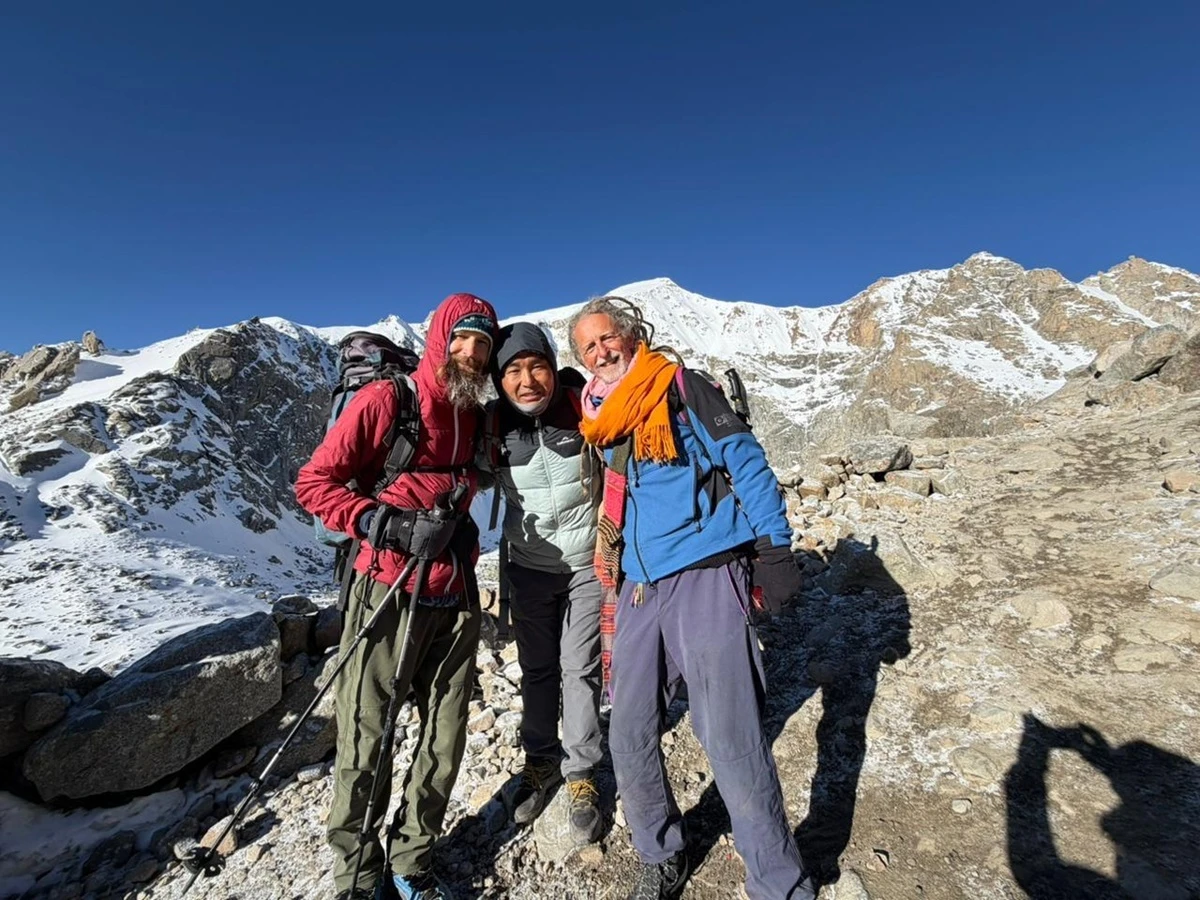
We are a travel agency that specializes in Tibet tours and Mount Kailash tours, and our professional guides in Tibet handle the permits, Tibetan tour guides, and transportation for those who come to Tibet. Our present team of Tibetan guides comprises Tenzin Nyima, Mr. Puchung and Chime Tasi.

On our 9- day trip, the route starts from Lhasa at about 3,650m and gives you 2 days to both acclimatize and see the city, followed by a flight to the Ngari/ Purang region and then onwards to Lake Manasarovar, Raksas Tal and Darchen.

We will then commence the strenuous part with the kora around Kailash - first day towards Dirapuk 20km, then followed by a very tough day at the top of the Doma la pass at roughly 5,630 meters; we then descend to Zutulpuk. Contemporary travel guide books place Darchen at about 4,675m and Dirapuk between 4,900-5,080m.

The compromise: You shave about 4 days of grinding overland travel; however, you ascent altitude significantly more quickly. That is why the two days in Lhasa are extra imperative and not ideal for treating like typical travel days.

Your Tibetan guide, including Mr. Puchung when you are due to depart, will assist you in the Tibet portion of your trip, and they will help you in organizing the practicalities at altitude. We felt that it was important to be absolutely clear about the type of accommodation as you will see the difference between the hotel rooms in Lhasa & Purang and the much simpler shared rooms in the pilgrims' lodges in Dirapuk and Zutulpuk.

Similarly, the food on the remote Kora section is much more basic than you would expect in a hotel. On the day of the Dolma La it is a question of pace, so do not try to hurry if you are with other pilgrims.

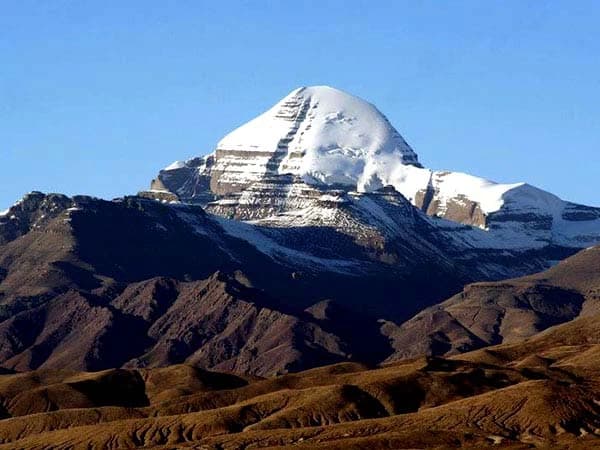
Standing at a majestic elevation of around 6,638m, Mount Kailash is a holy place that no human has ever successfully scaled. Austrian mountaineer and explorer Reinhold Messner climbed all but one of Kailash’s neighbors during the 1985 trek across Tibet.

We advise making this tour more practical during the pilgrimage season, less so during the winter, since there may be significant difficulties in bad weather. Prior to booking, we examine your health and inquire about general problems with altitude.

Short Mount Kailash Tour by Flight Trip Highlights

  • 9-Day Fast-Track Kailash Pilgrimage: Finish this core Mount Kailash pilgrimage trip in only 9 days by flying to the remote Ngari/Purang, eliminating long overland drives spanning several days.
  • Two Full Days in Lhasa: Acclimatize while discovering the highlights of Tibet such as Potala Palace, Jokhang Temple, Barkhor Street, Drepung monastery and Sera Monastery.
  • Scenic Flight from Lhasa to Ngari: Take a flight from Lhasa out toward Ngari and a striking contrast between central Tibet and that distant and aloof high-altitude area of western Tibet.
  • Sacred Lake Manasarovar: See the sacred Lake Manasarovar, at approximately 4,590 m and take some time out to pray and reflect through various personal spiritual practices.
  • Raksas Tal Experience: Explore Raksas Tal at a few miles' distance from the lake Manasarovar. Hence arises an attractive panorama, forming a striking contrast within the Kailash.
  • Darchen - Gateway to Kailash: Reach the starting point of the tour to Mount Kailash Kora at Darchen. Start preparing for 2 days of difficult pilgrimage to Kailash Kora.
  • First View of Kailash During the Kora: Hike from the Yam Dwar region to Dirapuk, approaching the holy mountain slowly. This sector, known as the Dirapuk sector, has very prominent north face views.
  • Kailash North Face at Sunset: Spend the night in simple Dirapuk lodgings and witness one of the awe-inspiring vistas of the North face of Mount Kailash.
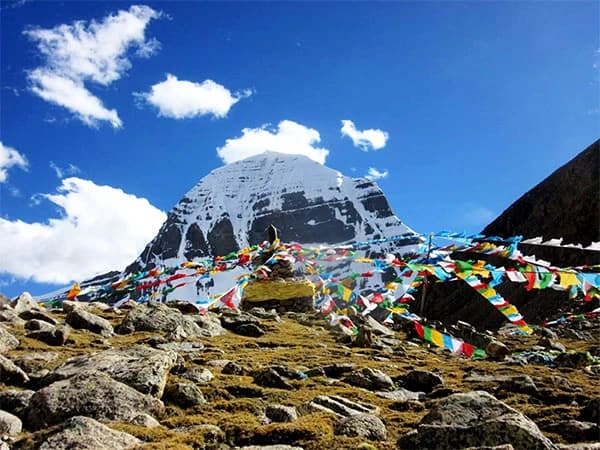
  • Cross Dolma La Pass at 5,630 m: Tackle the most challenging and elevated part of the Kora. Dolma La reaches 5,630 m (18,471 ft) and marks the highest point in the pilgrimage.
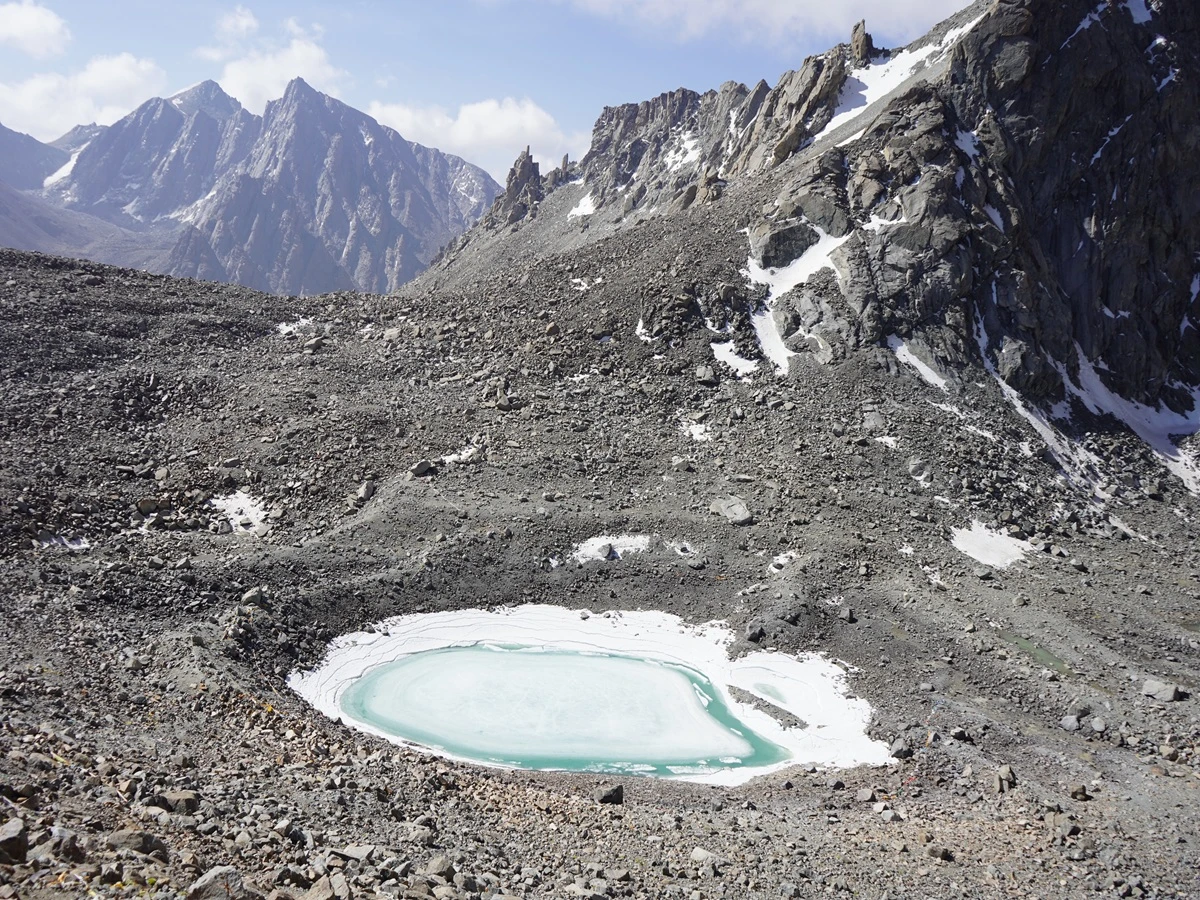
  • Sacred Gauri Kund: Make a descent from Dolma La to the holiest lake related to Kailash Yatra traditions, Gauri Kund, and then to Zutulpuk.
  • Complete the Essential Kailash Parikrama: Walk through Dirapuk-Dolma La-Zutulpuk and finish the main outer Kora before going back towards Darchen.

Fast-Track Journey via Direct Flight Logistics

Our 9-day Mount Kailash tour by flight is designed to minimize the driving time over the Tibetan Plateau and maximize your time sightseeing. We will take a morning flight from Lhasa to Ngari Gunsa airport (2-hour drive according to the latest available timetables) and then proceed to Lake Manasarovar and Darchen by road.

The flight has been a means to avoid an extended route rather than to bypass adjustment. It allows two whole days at roughly 3,650m in Lhasa, a sightseeing opportunity to help with adjustment before we head further afield into the Ngari region.

Plus, there is an operational benefit in choosing the flight since it spares you days of tedious overland approaches and leaves your 9-day schedule devoted primarily to sightseeing around Lake Manasarovar, Raksas Tal, Darchen and the Kailash Kora. However, the trek to the Kora remains equally challenging as you traverse the Dolma La Pass, which reaches an elevation of 5,630 m.

At Dream Tibet Travel & Tours, we propose a time-efficient rather than an easy route to the Holy Mount. All the paperwork and fitness of the trip are checked before we confirm; in our proposed itinerary, we indicate at least Tibetan guides assigned for our Kailash programs. E.g Tenzin Nyima, Puchung and Chime Tasi.

Will This Itinerary Help You With the Difficult 3-Day Kailash Kora?

In case you want to complete the full Kailash Parikrama in 3 walks, our 9-day flight Kailash tour allows you good preparation and the geographical location. Still, there is one difference: our Kora itself is planned in 2 trekking days plus 1 day on foot on Day 08, instead. In other words, there is no skipping of the Kora - it is just a different arrangement of the trip allowing you to save 3 days of getting into the region on foot.

You'll first spend 2 days in Lhasa to adjust to the altitude, and after that fly to Ngari. Why is this important? Well, Kora starts from Darchen, at 4,600 to 4,700 m, while Dolma la Pass is at 5,630 m. The trick is not the length of the road, but having to be in constant motion while at high-altitude, trekking up- and downhill at these ranges.

We scheduled the trekking schedule to go with: Darchen/ Yam Dwar Dirapuk Dolma La Zutulpuk Darchen, trekking day 06 walk ahead to Dirapuk /North Face, Day 07 will trek Dolma la/ continue to Zutulpuk, Day 08 trek back to Darchen.

What we found out ourselves on our way here: that it was a good idea to have the shorter version of this trip. It saves you road time, but without cutting into your climbing time unwisely. Hence why we keep the two days in Lhasa for acclimatizing, and the full Kora route, while cutting the overall time with the help of a flight to nine days in total.

We also don't mislead guests into thinking that this is an "easy" Kora. The 9-day schedule is designed to save you time, but it doesn't make the trail less challenging, distance shorter, or the altitude easier to manage. Prior to departure, our team will talk with you about the physical demands of Kora, so you know what you're getting into.

Is the 9-Day Flight Option Right for You?

Best Suited to a Time-Limited Kailash Pilgrimage

We've designed it with a particular type of trekker in mind - someone willing to spend the nine days we're offering on the Kailash Parikrama but who wants the circuit to be the main focus of their stay. Flights replace the long approach march, making days available for exploring Lhasa, visiting Manasarovar and Darchen as well as doing the Kora.

A Better Fit for Prepared Walkers

Consider this route if you feel that you can manage long walks and are accustomed to staying in mountainous accommodations. Kora reaches a height of 5,630 m above sea level at Dolma La Pass, so it is essential to have at least some trekking experience, although it cannot be guaranteed that you will not feel any ailments at such altitudes. We ask that you describe your prior experiences at high altitudes and assess your fitness and the preparations you have made before finalizing your booking.

When a Longer Itinerary Makes More Sense

Nine days is not our answer if you want a bit more recovery time, an easier pace or some extra Tibetan sightseeing. We offer another, longer Kailash tour option for those of you willing to spend more time around the holy mountain and who have limited time for altitude adjustments.

Our Practical Screening Before Confirmation

We will not take your payment as the offer. Before confirming your arrival, we will communicate with you regarding your travel documents, specific needs and requirements as you mentioned, and the actual walking and accommodation conditions. We believe that you have the right to know what you are paying for, and not the other way around. In other words, you will not be surprised when arriving in Darchen.

For the time-constrained but well-traveled adventurer, this 9-day option offers a condensed but substantive Kailash experience that nevertheless leaves out some of the more remote regions near the Kailash range. The sacrifice is a few days of cross-country travel. Still, the benefit is the opportunity to see Lake Manasarovar, as well as the three-day Kailash Parikrama including the famous Dolma La pass at 5,630 m.

You have the option of private departures for your family or small group, offering a more flexible itinerary, or you can join a group of other pilgrims on a group joining departure. Dream Tibet can accommodate groups of 2-20 on our flight-included Kailash programs.

For seasoned hikers, the value is obvious. Less time spent getting there means more time spent on the pilgrimage. For busy professionals, it means fewer days away from the office without sacrificing the Kora.

Why Choose Dream Tibet Travel & Tours for This 9-Day Kailash Journey?

  • We actually operate Kailash journeys: Being not only just a portal or booking engine for Kailash Mansarovar yatra, but Dream Tibet Travel & Tours is also the Government of Nepal Tourism permit holder (Kailash Yatra) and Tibetan Tourism Bureau Licensed Travel Agency/ Kailash Operator. Credentials can be seen below, and we also hold membership of TAAN and NMA.
  • 20+ Years of Kailash & Tibet Experience: Dream Tibet Travel & Tours provides trekking tours & expeditions, including Himalayan pilgrimage tours to Kailash & Tibet, since 2003. Among many trekking trips, Mount Kailash is always our specialty!
  • Direct Tour Operator, Not a Middleman: You'll deal with our operational team for itinerary creation, permits, ground transport, and on-the-ground logistics.
  • A team specifically formed for Kailash: In the flight-tour details, we list Tenzin Nyima, Puchung, and Chime Tasi as among our 39 Tibetan guides. You'll recognize individuals, rather than just be promised an experienced tour leader.
  • We know the difference between the flight and the Kora: We do not present the flight as making Kailash easy. Our own published itinerary shows that the flight saves approach-travel time, while the Kora still reaches Dolma La at approximately 5,630 m.
  • Private or group travel: You can opt to have a tailor-made trip with your family or friends or form a join-in tour. You can choose from the available group setups and tailored itineraries we have on our publicized Kailash tours.
  • We coordinate the difficult logistics: All of our flight tours will cover Lhasa-Ngari domestic flight, on-road transferring, Tibet traveling permits, lodges/hotels, ourTibetan Tour Guide, and Kora travel plans/arrangement.
  • Honest accommodation expectations: We want to clarify the difference in accommodation. The hotels in Lhasa and Darchen are very different from the guesthouses/mud houses that you stay in during the Kora.
  • We prepare you for the actual walking: You'll be given practical advice about the Kora itself, the trek over the punishing Dolma La Pass and any option for a porter to take horses or carry loads.
  • More than a sightseeing package: We will follow the classic pilgrim circuit; Lake Manasarovar, Darchen, 3-day Kora, Dolma La, Zutulpuk and so on. The precious hours "gained" via flying are spent trekking.
Itinerary
Trip PlanExpand all
Max Altitude: 3,650 m Meals: (Bed & Breakfast basis)Accommodation: Hotel

Welcome to Tibet, and the Short Mount Kailash Tour by Flight begins with your arrival at the Lhasa Gonggar Airport. After landing, you will be picked up by your Tibetan guide and driven for about an hour to the city.

Don’t worry that you are likely to get bored because, instead of heading to some attraction on your first day, you will be settling down at your hotel to kill time. It is always recommended to spend the first night in Tibet to acclimatize yourself to the altitude of this mysterious region. The city of Lhasa lies at around 3,650 m.

Once at the hotel, limit physical activity, drink plenty of fluids, eat small meals, and don't drink alcohol.

Furthermore, you shouldn't just randomly wander the streets on foot during your first day. Your guide will brief you on the upcoming program, including an introduction to the following days, precautions at high altitudes, baggage deployment, and the flight to Ngari.

The first evening provides an opportunity to relax after the flight and prepares you for two crucial days of acclimatization and sightseeing in Lhasa.

Max Altitude: 3,650 m Meals: (Bed & Breakfast basis)Accommodation: Hotel

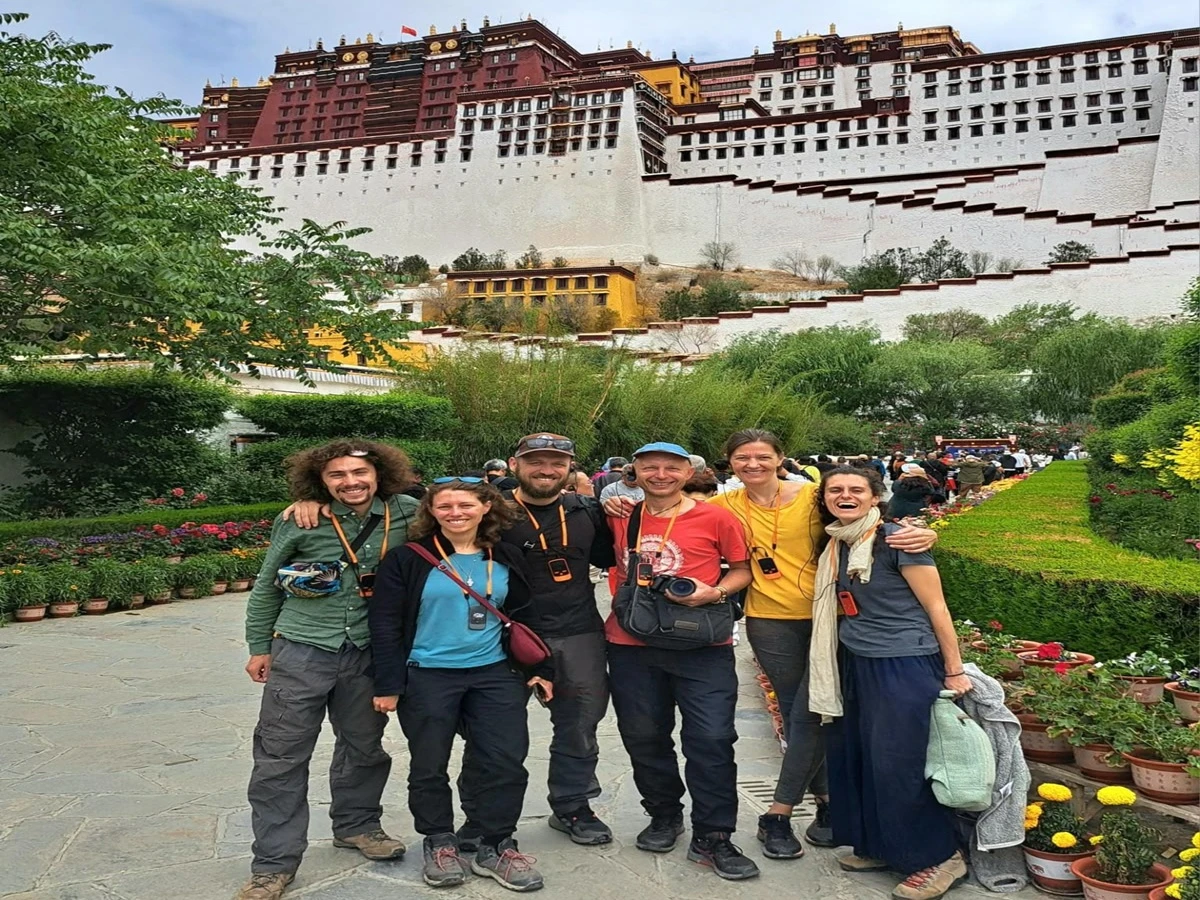
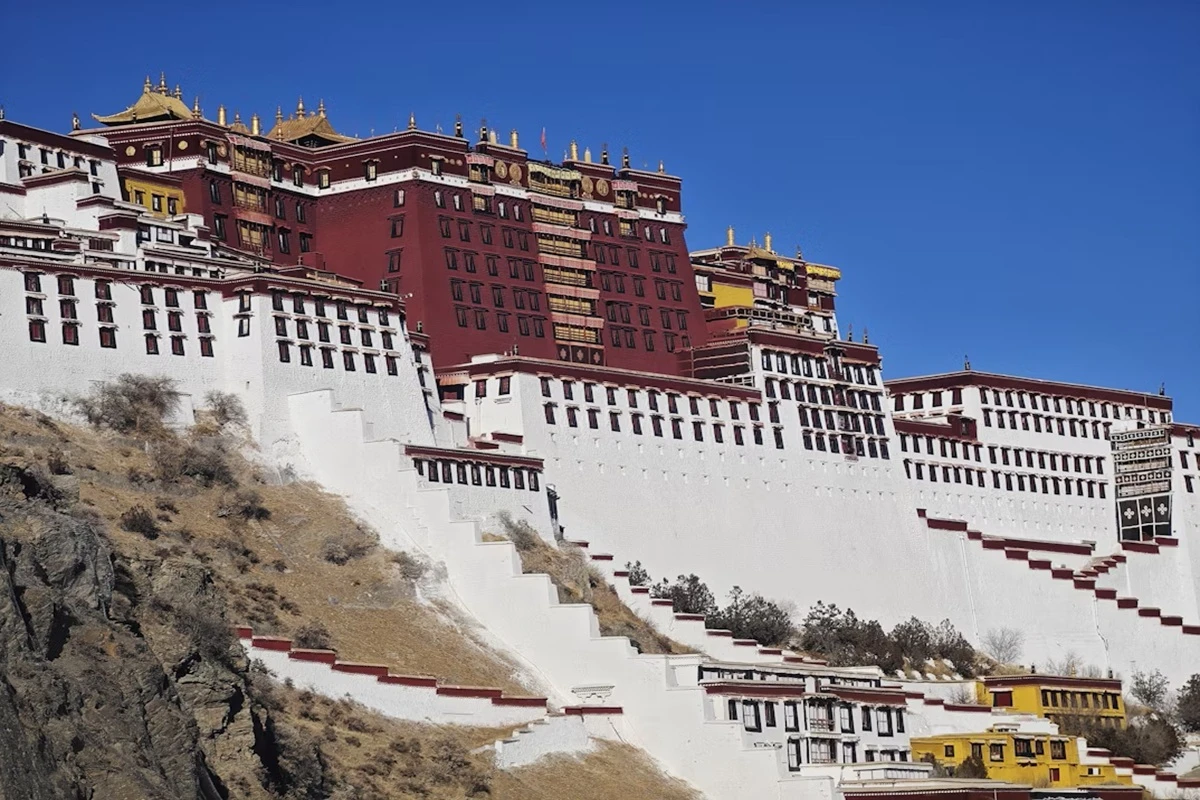
Your first day in Lhasa will see you experience the city’s most important attractions, as well as help you acclimatize to the higher altitude. After having breakfast, you will explore the breathtaking Potala Palace, the palace-fortress complex that dominates the capital. Take it slow, as any excursion at such a height can be taxing on one’s stamina, and meander through the complex rather than rush through it.

After Potala Palace, you will make your way to Jokhang Temple, the spiritual heart of Tibet, and experience the devotion of the locals who make pilgrimages to the sacred site. Circumambulate the temple, and if you wish, kneel at the temple, spin the prayer wheels, and light butter lamps, as many of the locals do.

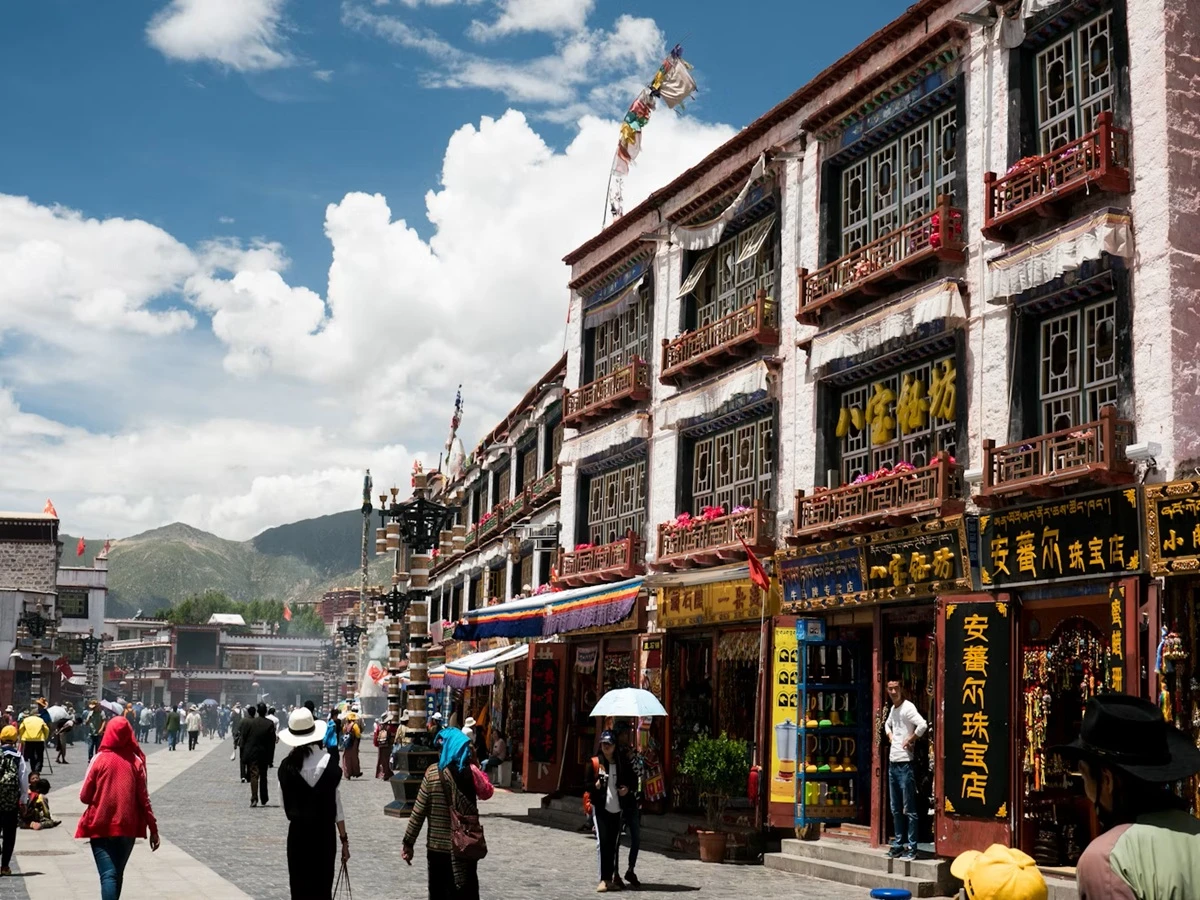
Later, you can explore the old bazaar, which is known as Barkhor, get acquainted with the local commerce, and experience the atmosphere in which the Lhasa residents live.

Your day should not be extremely hectic, as after the Potala Palace and Jokhang Temple, you will have to get used to the altitude and prepare yourself for the much higher Ngari region. Return to the hotel at a leisurely pace and save your energy for the following day.

Max Altitude: 3,650 m Meals: (Bed & Breakfast basis)Accommodation: Hotel

Today, you will continue your tour by visiting two of the city’s great monasteries. Drepung is an important monastery that used to be one of the most influential in Tibet. Explore this complex at a leisurely pace, getting to know the courtyards, chapels, prayer halls, and other structures. Take your time and don’t feel pressed to see everything in a rush.

Next, you will head to Sera, another great monastery complex situated on the outskirts of Lhasa. Unlike Drepung, Sera has a lively side; if the resident monks are having their debates when you arrive, you can come and watch this most Tibetan of spectacles. The acrobatics performed by the young monks in the course of their verbal sparring are an unforgettable experience that is quite different from the impressive Potala Palace and the spectacular Jokhang Temple.

A day that’s particularly useful as we mix in sights around town and prepare for our challenging departure up a much higher elevation. Following our initial two full days of rest in Lhasa since arriving from a lower elevation, it’s time to fly direct towards Ngari.

You will spend the evening in a relaxed manner sorting through your trekking gear and preparing just one of the bags that will stay with you for the Kailash Kora.

Max Altitude: 4,590 m Meals: (Bed & Breakfast basis)Accommodation: Hotel (in the Purang/Manasarovar region)

An early start will get you to the airport for your 07:00-08:55 flight to Ngari, which saves you days of driving on the long route from Lhasa. After landing, you meet your Tibetan guide and drive to the holy Lake Manasarovar region. This day is special as it marks your arrival in the wide and majestic landscape of western Tibet, where the populated world fades away to a barren high-altitude wilderness.

You get your first glimpse of the holy Lake Manasarovar, nestled at around 4,590 m, as you arrive in the region of Purang, another high-altitude area.

It is not advisable to do any serious exploring on the day of your arrival due to the significant change in altitude. Your guide will help you get settled in the hotel, and you will be able to relax and take in the mesmerizing view. If the weather permits and your time allows, you may be able to see the sacred mountains and plateau that surround the region for the first time.

Max Altitude: 4,670 m Meals: (Bed & Breakfast basis)Accommodation: Hotel Himalayan Kailash, Darchen

Today you have come to experience the Kailash landscape for the first time. You will begin your tour around Lake Manasarovar, one of the holy places of the highest Himalayan region.

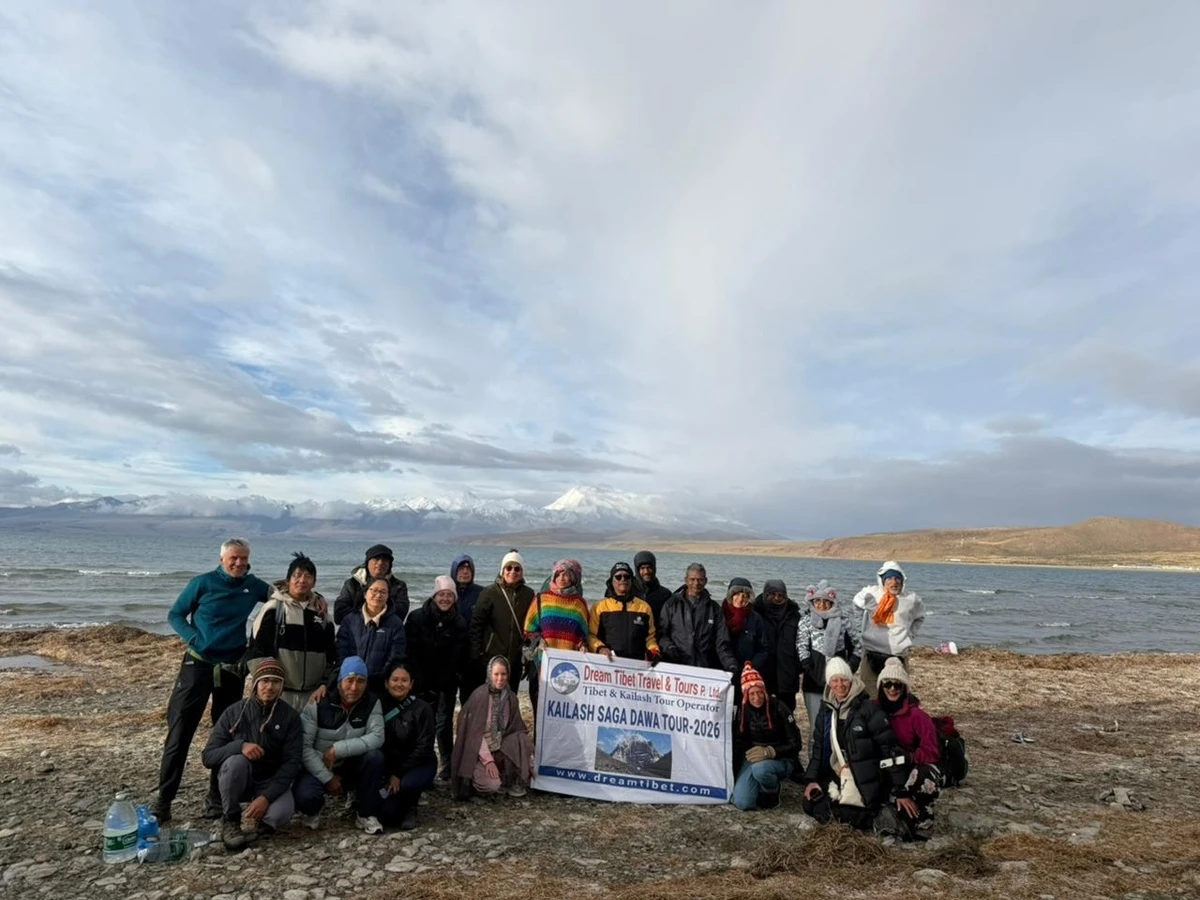
The lake with its vast blue waters, surrounded by spectacular mountain peaks and an open Tibetan plateau, creates a unique landscape, completely different from the one you saw in Lhasa. Have a rest, contemplate and perform your religious practices and rituals if you wish.

In addition, you will also be able to see the second lake, Raksas Tal. The difference between it and the previous one will strike you. In addition to the view of the lake, you will also be able to choose the point of view from which you will look at the mountain, depending on the route and road conditions. All this will be shown to you by the guide during the tour.

From Manasarovar you can drive towards Darchen, the local base village from where tours for the Mount Kailash Kora usually start. The road is 50-60 km long, and it takes 2-3 hours to reach Darchen, depending on the traffic and the rest opportunities. The village is located at 4600-4670 m.

While in Darchen, do not burden yourself, as it is the last opportunity to rest before starting the Kora. Double-check your small bag with hiking clothes, suitable shoes, warm clothing, water, personal medications and supplies with the guide.

Max Altitude: 5,000 m Meals: (Bed & Breakfast basis)Accommodation: Dirapuk basic guesthouse / mud house (shared accommodation)

Today is the day of the central pilgrimage experience: the Mount Kailash parikrama or kora. After a light breakfast at the hotel, you have to leave your big luggage at Darchen, as only a small handbag or daypack with some personal belongings is permitted on the tour.

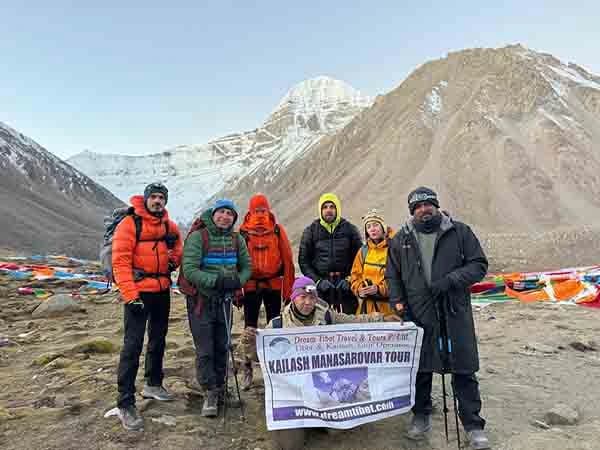
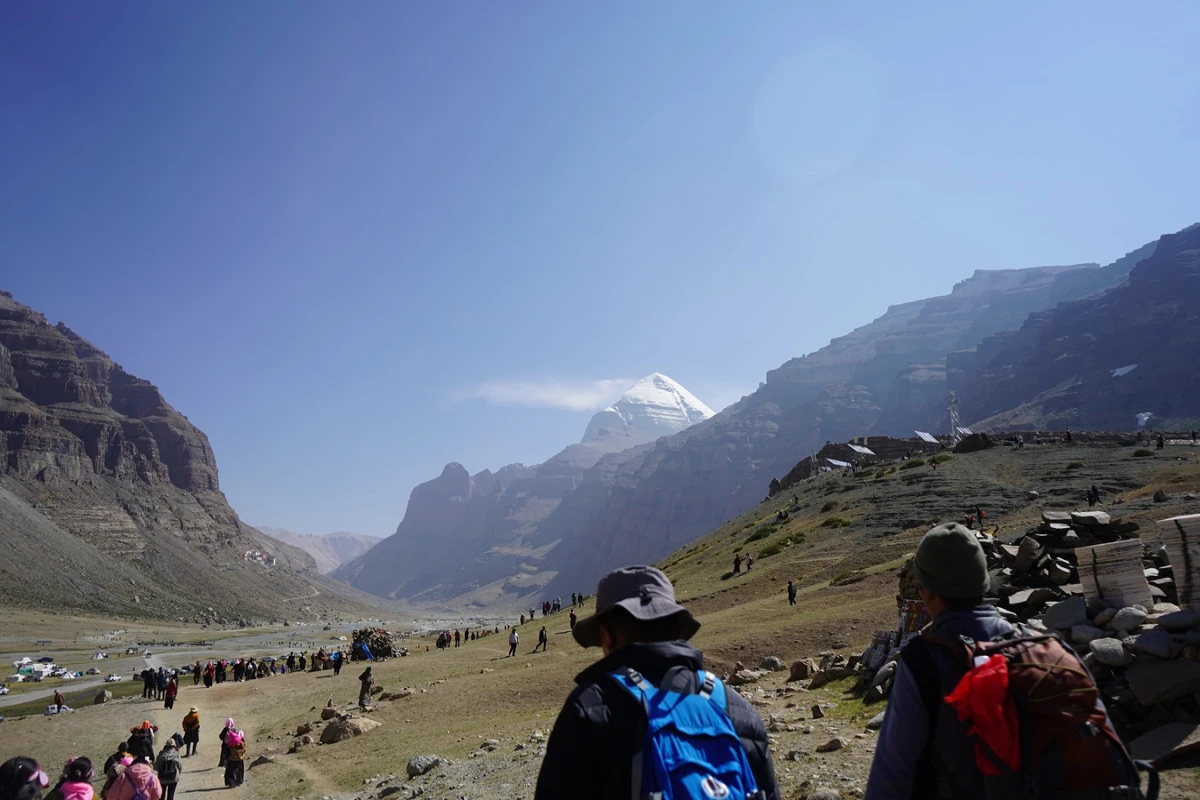
The route leads to the traditional starting point of the pilgrims, Yam Dwar, from where you hike into the Kailash trekking valley. The walking tour to Dirapuk is about 20 km long (about 7 h) on your itinerary. You follow the valley and slowly notice how the impressive rock walls of Mount Kailash dominate the view.

One of the unique features of this time is that we will be able to admire the Kailash from different sides: South, West and North. On our way to Dirapuk, this mountain gets bigger and bigger, and the sight of the North Face becomes unforgettable, and it is the highlight of our tour.

The last stage of our journey to the Dirapuk is worth it, especially if you are lucky enough to see the afternoon or sunset view on the mountain. The group lodging is shared mud-house accommodation with simple guesthouse food. Your guide will be able to help you with the ordering and translation.

Max Altitude: 5,630 m Meals: (Bed & Breakfast basis)Accommodation: Basic guesthouse / lodge, Zutulpuk

This day is the most challenging/day of your Mount Kailash Kora. You will be departing from your guest house for an early morning walk to Dirapuk after a simple breakfast. As you walk towards Dolma La Pass, the trail begins to get steep, and you need to climb up this highland at an altitude of around 5,630 m above sea level, which is the highest point of the trek.

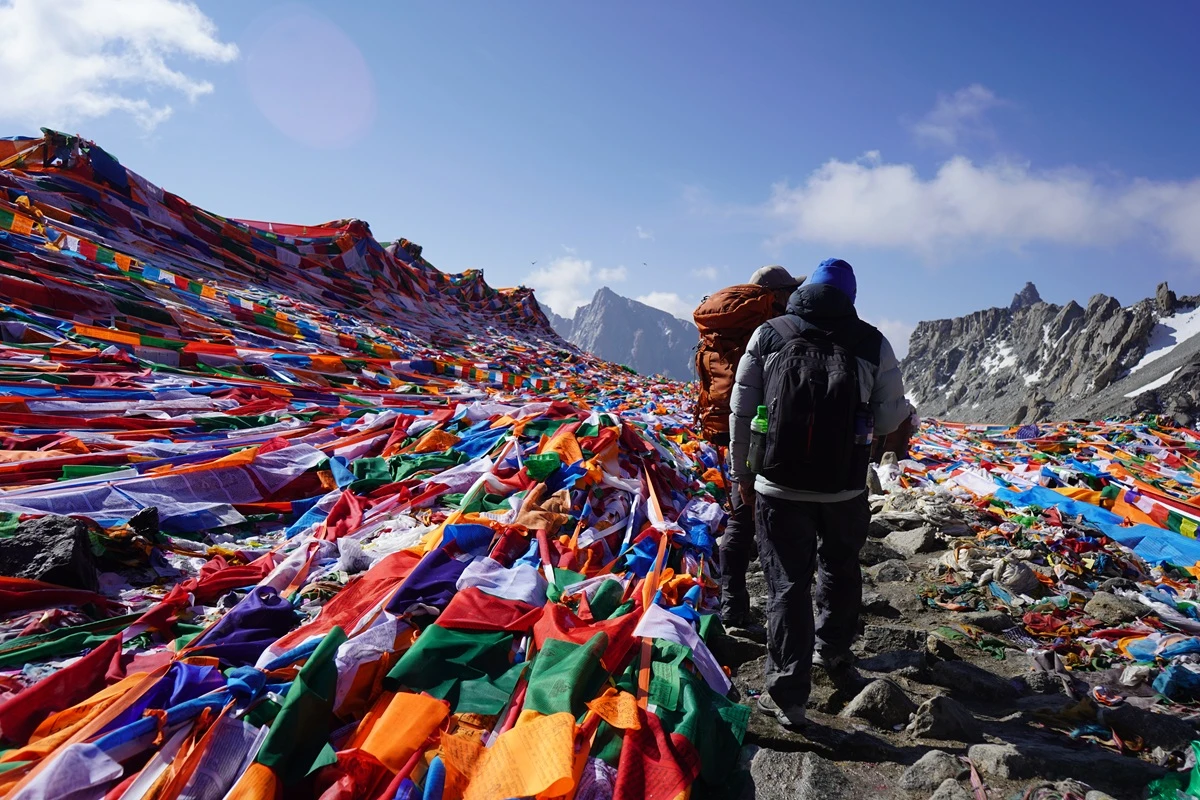
You have to walk patiently, take rests when required, and follow the directions of your guide. The path ahead is rocky, and you will witness varying landscapes, steep slopes, and several prayer flags before you get to the top. It feels great to walk on top of Dolma La, and some people like to take a short pause to engage in personal prayers or meditation.

From the pass it’s a descent to Gauri Kund and then another long descent to Zutulpuk. Walking distance could be anywhere between 21-23 kms depending on which way you actually measure. So far, it has been the longest day of walking.

By evening, you will be at Zutulpuk, where you can find some fairly basic guesthouse/lodge accommodation. After such a long day, food, drinks, a warm bed, and hot water will most probably be the first things on your mind.

Max Altitude: 4,790 m Meals: (Bed & Breakfast basis)Accommodation: Hotel

The last day on the Kailash Kora trail usually starts with a significantly easier hike than the one on the previous day.

Leave Zutulpuk and head to the road/trail where your vehicle will be waiting for you. This is the easiest and most relaxed part of Kailash Kora, which gives you a chance to contemplate the adventure you have undertaken and complete the last stage of your journey.

As you approach the road, you will have completed the objective of your Kailash Kora trekking tour. After having hiked around Mount Kailash and conquered the challenging Dolma La pass, you will have finished the most strenuous and rewarding trek of your life.

The distance from Zutulpuk to Darchen varies between 8-13 km depending on where your vehicle picks you up.

On your way to Darchen, you will be descending from the Himalayan heights for the first time since you embarked on this journey. Hence, take it slow on this leg of your adventure and do not undertake any strenuous activities.

Max Altitude: 3,650 m Meals: (Bed & Breakfast basis)

Your final day commences with the return journey from the Purang/Ngari region towards the airport from where you will take the flight back to Lhasa. The return flight from Mt Kailash acts as a significant transition from the remote western Tibetan Plateau to the city of Lhasa.

Once you arrive in Lhasa, your Mount Kailash Tour by Flight concludes. According to the onward flight arrangements, you can either proceed with your onward journey or make use of the transfer services that can be availed from the airport for your departure.

As the onward flight ticket is organized according to your international travel plans, ensure you have enough time to catch your next flight during the transfer from the airport.

This nine-day itinerary is particularly compact, offering only two full days of acclimatisation/sightseeing in Lhasa before a short haul flight to Ngari, the holy Lake Manasarovar and Darchen, as well as allowing the two key days of Kailash Kora to be walked.

It is therefore possible to combine cultural sightseeing, holy lakes, spectacular scenery and the classic Kailash Kora within a much shortened time-scale than the standard overland trip to Kailash allows.

Couldn't find what you're afterReach out to our travel experts.
Cost Details
Includes

Transportation & Logistics

  • Private transportation by comfortable van
  • Domestic flight for Lhasa - Purang
  • International flight for Kathmandu - Lhasa (On request at extra cost)

Permits & Documentation

  • Tibet Travel Permit
  • China Tibet Travel Permit

Accommodation & Guide Services

  • Accommodation on a twin-sharing room basis
  • English-speaking Tibetan guide

Sightseeing & Meals

  • Sightseeing and monastery entrance fees as per our itinerary
  • Meal plan on a Bed and Breakfast (BB) basis (Full board vegetarian meals available as an optional add-on)
Excludes

Meals & Personal Expenses

  • Lunch and dinner
  • Personal expenses such as drinks, tips, laundry, phone calls, etc.

Insurance & Emergencies

  • Insurance of any kind (Travel, medical, or high-altitude rescue)
  • Any additional costs arising from natural calamities, political disturbances, or other unpredictable events (e.g., flight delays, road closures)
Essential Information

How Do You Reach Mount Kailash by Flight?

Since there is no airport for direct access to Mount Kailash, ‘Kailash tour by flight’ always means a mix-and-match of air and road journeys. Below are some common Kailash Yatra tour package itineraries using the air mode:

Route 1: Kathmandu → Nepalgunj → Simikot → Hilsa (Helicopter) → Overland to Darchen

It is the most popular and fastest route for those who want to get to Mount Kailash and have an opportunity to spend more money on transportation. First of all, you have to fly from Kathmandu to Nepalgunj, which takes about 1 hour. Then you will take another plane to Simikot, a remote village surrounded by the Himalayas in western Nepal.

From Simikot, you can go to Hilsa, which is right on the border between China and Nepal, via helicopter for 20 minutes. You will have to cross the border on foot to meet a Tibetan guide. He will take you to Taklakot or Purang, from which you will have to go to Lake Mansarovar and further to Darchen, the starting point for the mountain Kailash Kora.

This way spares you from visiting Lhasa but saves a lot of time since it does not require going there and back. However, it can be canceled due to bad weather in Simikot and Humla, so it is worth considering that this trip is seasonal.

Route 2: Kathmandu → Lhasa (Direct Flight) → Overland to Darchen

For the pilgrims who prefer to get to know the culture, flying direct from Kathmandu to Lhasa is the preferred option. The flight takes about 90 minutes, and the view of the Himalayas is breathtaking. From Lhasa, there’s a road going through the G318 Friendship Highway towards Shigatse and, on the S214 Provincial Road, to Darchen. That’s a three-day drive passing through Saga.

This is the long way around (and can take between 16 and 20 days), but it allows one to marvel at the Potala Palace, shop at the Barkhor Street and visit the many Tibetan monasteries before heading for the Yatra.

Why "By Flight" Still Involves Driving

Regardless of which way you go, there's just no avoiding driving in and of itself. There is no airport in Darchen, nor a trailhead that comes with parking facilities. All driving in Tibet must happen on 4X4 private transport, and you'll have a truck to ferry your stuff from the driving parts and a support truck on the overland legs. And your overland sections, by the way, help with acclimatisation - Darchen itself is already nearly 4.7k metres in altitude!

Flight Routes and Schedules for the Mount Kailash Tour by Flight

International Connections to Kathmandu

Kathmandu’s Tribhuvan International Airport is the main gateway for all Mount Kailash Yatra routes. Being at the threshold of Tibet, Nepal provides the closest and easiest access to Tibet. A flight from Kathmandu to Lhasa is one of the swiftest international flights, as it covers 573 km in just 1 hour and 20 minutes, flying straight through the Himalayas.

At present, only Himalaya Airlines operates flights from Kathmandu to Lhasa without any stops. They have four weekly flights on Monday, Wednesday, Thursday, and Friday. Also, note that Air China and Sichuan Airlines provide direct flights from Kathmandu to Lhasa’s Gonggar Airport.

For the second leg of the Lhasa-Ali route, it is possible to fly either from Lhasa or Kashgar to the Mount Kailash region directly and quickly. For example, a flight from Lhasa to Ali (Ngari) takes no more than 2 hours; there are one or two daily options for it, and the tickets for these routes tend to be in high demand at all times. However, they are often expensive.

Domestic and Regional Flight Legs

For the Nepal Side: The easiest way to get yourself to Nepalgunj from Kathmandu is to take a 1-hour flight from the Tribhuvan International Airport. Several local airlines such as Buddha Air, Yeti Airlines, and Shree Airlines provide these flights.

The flight from Nepalgunj to Simikot will take about 45 minutes to an hour via small planes (mostly 18- to 20-seater Twin Otters). Tara Air and Summit Air are some of the local airlines that operate these flights. They usually start in the mornings. From Simikot, you can take a 20-minute helicopter ride to a village called Hilsa, which is near the border.

Since there are limited seats available, it would be wise to get your flight tickets to Ngari as soon as possible, as flights can get fully booked during peak seasons such as the Saga Dawa Festival and summer holidays. The flights are also subject to weather conditions, which means there are days when flights to Simikot will be cancelled due to bad weather.

What Happens if Flights Are Delayed or Cancelled?

Common and perhaps the most underrated risk of the flight-based tour to Kailash is flight disruption. So here are my thoughts for the well-prepared traveller.

Why Disruptions Happen

The mountain leg of the flight itinerary anywhere in the Kailash circuit is highly dependent on weather conditions. The Nepalgunj-Simikot leg is particularly vulnerable as it is operated by small Twin Otter planes whose schedule is at the whim of the mountain winds, cloud cover, and the valley fog.

The only viable time to operate this particular sector is in the early hours of the morning, as the wind dies down significantly by the afternoon.

The Simikot-Hilsa sector is also not guaranteed, as the chopper traffic has a zero-tolerance policy for bad weather. Moreover, there are no alternative options to fly this sector if the foggy conditions persist on any given day. A rainy or cloudy day at either of these two sectors adds up to a delay of 48 hours.

How Operators Handle It

Most of the tour operators usually include one or two days in the itinerary as a buffer to accommodate any schedule loss due to weather problems. During such occurrences, your operator’s representatives on the ground will assist you with alternate accommodations and meals.

However, please note that extra hotel expenses occurring due to such delays cannot be claimed from your tour operator; you would have to bear those costs individually.

On the other hand, if the delays are extensive, your operator will make every effort to arrange alternate transportation (such as chartering a helicopter from Nepalgunj to Simikot) to ensure that you do not miss your permits and border crossing slots.

What Travellers Should Do

  • Choose Itineraries With Some Extra Days: Because you don’t want to miss a second of the adventure, but a full schedule leaves no room for the unpredictable weather peculiar to this region.
  • Get Travel Insurance That Covers Cancellations Due to Delays - It’s your best option for reimbursement for any lost expenses due to a canceled or delayed flight
  • Stay in Touch With Your Operator and Avoid Checking Airline Sites - Your tour company will be able to help you navigate cancellations and delays better than you can on your own
  • Remain Flexible When It Comes to Your Itinerary - The Kailash Yatra is an exercise in faith that requires leaving everyday worries behind, and seasoned travelers know to expect the unexpected.

Accommodation Standards on the Kailash Route

It also lets travellers pack properly, keep their expectations reasonable, and concentrate entirely on the purpose of their trip: to experience the sacred rituals of Mount Kailash. But one shouldn't lose sight of the vast differences in these forms of lodgings, ranging from hotels in the surrounding cities to austere dorms in the monasteries.

Guesthouses and Basic Lodges Near Kailash

Near Darchen (and along the Kailash Kora), there is a choice of basic guesthouses and one or two acceptable (but nothing special) hotels, including the Himalaya Kailash Hotel, but don't expect anything close to mainland China or other international standards.

On the three-day Kora, you will be staying in the local monasteries' guesthouses (Dirapuk and Zutulpuk Guesthouses), where you share small, windowless rooms with four to ten other people. There are no private rooms and no showering facilities, and you should not expect any heating.

In the evening, the power may be off for all but a few hours. Outdoor pit toilets are the norm. And you should bring your own sleeping bag, flashlight, and warm clothing, as the ones provided may not keep you warm at night at these elevations.

Hotel Standards in Lhasa and Kathmandu

Both Lhasa and Kathmandu are much better in terms of comfort, as they provide a greater range of choice, including many familiar comforts. Thus, Lhasa has the best accommodations in terms of 3-5 star hotels with central heating, hot water, bathrooms, and WiFi, which is vital for the first few days when acclimatizing to the altitude before heading west.

As for the Kathmandu area, it serves as the starting point and the endpoint of the tour so that you can choose between various guesthouses, luxury Radisson and Aloft hotels, and other popular chain establishments. This way, both cities serve as perfect bases for exploring the region and recovering after the Kailash Yatra.

Food, Meals, and Drinking Water During the Yatra

Meals during the Kailash Pilgrimage are simple but wholesome, consisting mostly of vegetarian items. Most tour operators provide 3 meals a day, which include breakfast, packed lunch, and dinner that mainly consist of locally grown food.

You can expect to find rice, lentils, chapati, noodles, and soups in your meal plan alongside Tibetan specialties such as Thukpa and Tsampa. In Kathmandu and Lhasa, there is an option to eat a variety of foods.

However, in the Tibetan Plateau and along the Kora, you will find yourself eating basic food that serves a particular purpose. It is advisable to inform your tour operator of any specific dietary requirements you have as a Jain or a person who does not prefer onions and garlic.

It is important to stay hydrated, especially at higher altitudes, since the body tends to dehydrate easily. You can buy packaged water in most guest houses and road stops along the trail. However, hydration can be a problem near the Kailash Kora monasteries.

As such, it is advisable to carry an empty flask, water tablets, or a water filter from your own country as backup. It is always better to warm up than to cool down at altitude, and as such, it is advisable to avoid cold drinks as much as possible. Hot drinks such as herbal teas, hot lemon drinks, and soups do a better job of keeping you warm and warding off sicknesses.

Altitude, Acclimatization, and What to Expect Physically

The altitude of the Kailash Yatra route is quite challenging, as it is situated above 4500 meters. The major attraction points situated here are Lake Mansarovar, which is at 4590m, Darchen at 4675m, Dirapuk monastery at 5080 m, and Dolma La Pass, which is the highest point on the Kora. At the height of 5636 meters on the Dolma Pass, the oxygen level is half of that at sea level.

Common symptoms of AMS are headaches, vomiting, dizziness, extreme tiredness, loss of appetite, and sleeplessness. If not taken care of, it can lead to severe cases like HAPE and HACE.

Even the best laid plans incorporate 5-7 days of gradual altitude acclimatization ahead of starting the Kora, featuring rest days in places like Kathmandu, Saga, and Darchen itself. We focused on drinking lots of water, walking at a measured pace, and avoiding alcohol, as our bodies seemed to be telling us: go easy.

Connectivity, Electricity, and Charging Facilities on the Route

Travellers should take into consideration that their Internet connection might be available only in the big cities during the Kailash Yatra. In Kathmandu, most of the hotels provide excellent WiFi and 4G mobile network coverage.

Nevertheless, when crossing to Tibet, an adventure traveller should expect that Internet access will be unavailable, which can last for several weeks.

It is recommended to inform yourself about the local Internet availability before visiting places like Kerung, Saga or Darchen, as some guesthouses provide poor WiFi. Moreover, no mobile network operators and WiFi connections are available during the three-day Kailash Parikrama, including the highest point of Dolma La Pass.

Your guide will have a satellite phone or a radio device to contact the outside world in case of emergency, and there are no other options to be connected with people.

In terms of electricity, it is better to bring a portable charger as well, as a lot of guesthouses have solar panels, which are often underperforming on cloudy days. Electricity is provided only for a few hours during the evening, and there are usually no sockets at your disposal.

Is Travel Insurance Required for the Mount Kailash Tour?

Yes - the travel insurance is mandatory for the Kailash Yatra as it involves hikes at a height of 4,500 meters to 5,636 meters above sea level in one of the world’s most inaccessible and sparsely populated regions.

It is usually not possible to get a helicopter evacuated to Kathmandu or Delhi when you are in Kailash, which makes medical evacuation costs from Kailash to Kathmandu or Delhi, if you have to pay for it yourself, can cost more than USD 50,000.

Standard health or travel insurance policies do not provide any coverage for hiking at heights of 3,000 to 4,500 meters and above, which is the highest point for the Dolma La Pass.

Your policy must specifically cover the following:

  • High-altitude trekking up to at least 6,000 metres
  • Emergency helicopter evacuation with a minimum benefit of USD 25,000-50,000
  • Hospitalisation and medical treatment in Tibet and Nepal
  • Trip cancellation or interruption due to altitude sickness or border closures
  • Repatriation to your home country if required

Always purchase your policy before departure and carry both a digital and printed copy throughout the Yatra.

Best Time to Visit Mount Kailash by Flight

When deciding on the "right season" for your Kailash Mansarovar Tour, this will rank as one of the most significant decisions of the planning stage! Everything that contributes to this trip relies on the season, including the consistency of weather, access to the road, the dependability of flights (especially to/from Nepalgunj to Simikot), and safety concerns around the Kailash Kora itself. Let's take a look at what's on offer in each season:

Spring Season (April - June)

Spring, specifically May and June, is considered one of the best times to go to the Kailash Mansarovar tour. As winter snows melt, the mountain passes open, and the road to Tibet via Nepal becomes navigable again.

With daytime temperatures varying between 5C and 15C, clear skies and great views of the surrounding Himalaya peaks, and most importantly, normal flight operations on the Simikot sector, this season appears to be the most rewarding.

Additionally, the Kathmandu to Lhasa and vice versa flights operate frequently and without delay. The Saga Dawa festival, which falls in the Tibetan lunar month of May or June depending on the leap year, draws thousands of pilgrims to the region, making it the most spiritual time of the year to witness the Kora.

Autumn Season (September - October)

Autumn is more spectacular and is the best time to visit. The post-monsoon skies are at their clearest, providing a good view of Mount Kailash and Lake Mansarovar.

September is considered the "sweet spot" for this reason, since it's free of the rainy season, relatively empty of crowds (compared to June), and still warm enough for trekking.

The days are mostly warm but cool at night. The roads are passable throughout the plateau. Flights in the region are largely dependable, including the crucial Kathmandu to Lhasa route.

October is also a great month to see the region, but temps begin to plummet rapidly after mid-month, so plan to depart by mid-October at the latest.

Off-Season Tour to Kailash (November - March)

The Kailash Pilgrimage during the off-season is a tricky time of year. During the months of November to March, temperatures can dip as low as -20 degrees Celsius at night. The road to the Dolma La pass becomes completely snowed up, and the road to Darchen can also become blocked by snow.

Most tour companies cancel trips to Kailash because of these conditions, and it is generally not the best idea to visit Kailash during this time of year. Flights to Simikot can be cancelled due to bad weather, and border guards sometimes refuse entry to China.

This period should only be attempted by seasoned mountaineers who can handle extreme cold weather conditions.

What Permits Are Required for the Mount Kailash Tour?

Acquiring the right permits is one of the most crucial and time-consuming processes involved in your Kailash Mansarovar Tour.

Given that Mount Kailash lies in the heart of the restricted region of Ngari Prefecture in Tibet, you can understand how important it is to get all of them. And since they are mandatory, you cannot make it even a step without any of these permits issued by the government authorities.

Here is a list of all the permits you will have to apply for.

Chinese Group Visa

For those arriving in Tibet from Nepal, a Chinese Group Visa is required, a particular category of Chinese tourist visa, which is significantly different from individual tourist visas. It is important to know that single-entry Chinese tourist visas are not valid for entry into Tibet via Nepal.

Thus, a trip to Kailash is not possible for citizens of China, either first-time visitors or those who have previously travelled to the People’s Republic of China.

A Group Visa should be applied for in advance at the Chinese Embassy in Kathmandu. Usually, a tour group has to have at least 5 participants for a Kailash tour. The application is submitted on behalf of the entire group by your tour operator in Nepal. Your group passports and other necessary documents must be presented several weeks before departure.

Please note that visa regulations are subject to change; while some countries enjoy a visa-free regime, which is granted on an experimental basis. Therefore, it is important to check the latest information with your tour operator before travelling.

Tibet Travel Permit (TTP)

The Tibet Travel Permit (also known as Tibet Tourism Bureau Permit) is one compulsory document without which no foreign tourist can enter the Tibet region.

The permit must be applied for through a Tibet-registered travel agency on the tourist’s behalf, as foreign visitors are not able to apply for this permit themselves.

It normally takes eight to nine working days to obtain this permit, and it is advisable to apply for it at least twenty days before your tour commences.

The permit is only valid for the approved tour programme and route; if you wish to extend or change your Tibet tour itinerary, you must apply for another Tibet permit.

Alien's Travel Permit (ATP)

The Alien's Travel Permit, also referred to as the PSB Permit (issued by the Public Security Bureau), is mandatory for any trip beyond Lhasa into Tibet's western and more remote regions, including the region of Ngari, where Mount Kailash and Lake Mansarovar are located.

Unlike the TTP, which is applied for in Kathmandu, the ATP, as it is also called, is arranged for you while you are already in Tibet, usually by the tour guide, while you are staying in either Lhasa or Shigatse.

It is a relatively simple procedure, taking no more than an hour or two. For those arriving in Tibet from Nepal via Kerung, who do not pass through Lhasa, your Tibetan tour guide will have the permit waiting for you upon arrival or during the transfer to Shigatse or during the trip to Saga.

In any case, you do not have to worry about getting this permit or showing it at various roadblocks along the way from Saga to Darchen; your guide will take care of it for you.

Military Area Entry Permit

The Military Area Permit is mandatory because Kailash-Mansarovar lies on the border of China (Tibet), where there are military restrictions. It is issued by the Military Affairs office in Lhasa; this document is organized by your tour operator; most travelers will not see it.

This permit is applied for upon arrival in Lhasa and usually issued right away so that your guide can collect it before your group heads for western Tibet and the beginning of the trek.

It is necessary for entry to the region of Ngari Prefecture, you will have to show it to the troops at the roadblocks along the way to Darchen. This permit cannot be obtained by a traveler on a private basis; only a pre-organized tour with an approved itinerary can apply for it.

Foreign Affairs Permit

The Foreign Affairs Permit is an additional visa required for foreign visitors wishing to enter the Ngari Prefecture (the region encompassing Mount Kailash, Lake Mansarovar and the KORA), which is issued by the Tibet Foreign Affairs Office and should be applied for at least 15 days in advance, as it can take up to 1 or 2 weeks to process.

It will be arranged by your tour operator as part of the permit package and presented to you together with the other permits at the checkpoints in the region of Kailash. You cannot leave certain regions of Tibet without it, particularly those of the western part of the country.

Documents Required to Obtain Kailash Yatra Permits

If you submit all of your documentation in the right format, on time, and with accuracy, then you are giving your permits the green light to be approved as quickly as possible. To save you any stress, take this full tour operator checklist away with you.

  1. Valid Passport: Your passport needs to be valid for at least six months after you depart from the Tibet Autonomous Region. In addition, make sure it has at least two empty pages, as you may need to stick in various visas, stamps and permits while you are there.
  2. Passport-Sized Photographs: You will need between four and six recent colour photographs. The background must be plain white, and you must be able to see both ears and have no glasses on. The photos must also have been taken within the last three months.
  3. Comprehensive Travel Insurance: A copy of your travel insurance policy is mandatory. The policy should include high-altitude trekking, emergency medical treatment, and helicopter evacuation above 5,000 metres since the standard insurance policy is not covered.
  4. Completed Visa Application Form: A completed visa application form, as instructed and issued by your chosen and registered tour operator, must accompany the group visa application to the Chinese Embassy in Kathmandu.
  5. Proof of Tour Booking: A copy of a confirmed tour booking with an authorized and government-approved Kailash Yatra operator is mandatory to ensure that you are traveling on a registered group tour, which is required to enter Tibet.
  6. OCI Card (In case of OCI Holders): A valid OCI card along with a copy of your current foreign passport is necessary for the verification process and to confirm eligibility for the permit.

Read More Related to Kailash and Tibet

FAQs

Yes. It is a Kailash pilgrimage with the outer kora included (sightseeing tour is a different product). So it includes Darchen, Dirapuk, Dolma La pass, Zutulpuk and the return to Darchen. Usually, the kora is hiked in three walking days and includes Dolma La, which reaches 5630 m.

We have a flight connection from Lhasa to Ngari Gunsa that allows us to shorten several days of long driving from Manasarovar and the Kailash Kora. The flight itself will take about two hours so that we can maximize the nine-day tour in the holy city of Lhasa, Manasarovar and the Kailash Kora.

No. The flight is meant to save time on the journey, not the altitude. You still have to contend with the approximate 4600-4700 m elevation of Darchen, as well as the 5630 m of the pass over Dolma La. Hence, the two acclimatization days in Lhasa before the flight.

It is really a kind of strenuous high-altitude hiking. The trail from Dirapuk to Zutulpuk over Dolma La is particularly challenging because of its steepness, rocky surface, and high altitude.

Our Tibetan staff will meet you at the airport and lead you to the Kailash region by road. The drive from the city of Ngari to Darchen takes around 200 km according to the flight-based itinerary.

Yes. Dream Tibet Travel & Tours can organize the tour for you as a private excursion or as a joining group according to the dates and the way of operation you choose.

Local horses and porters may be available for hire, depending on local conditions. Dream Tibet lists horse/porter services as separate from the services included in the tour, so they should not be budgeted for as part of the main price.

The flight itinerary is seasonal rather than year-round; Dream Tibet considers May through September the best period for its flight-based Kailash program. Flights are subject to cancellation due to weather or other conditions, including local government regulations.

If you want to focus on the core pilgrimage, rather than sightseeing, you can see all of Lhasa, the flight to Ngari, Lake Manasarovar and the full Outer Kora in 9 days. This is a very tight schedule, so if you want to take your time and see more of Tibet, you should consider a longer program.

Yes. Dream Tibet states that they review travel plans, paperwork, and suitability for trips based on the circumstances before they accept a booking because the same trip isn't suitable for everyone.

Our team will accompany us while we are in the area, keeping track of the situation and our guide, but they can't promise that we will be able to finish the kora if something is wrong despite their attempts to help. They have to leave us somewhere and get us back to Kathmandu if the altitude is too high for us to continue or if our bodies reject it for some reason, which means emergency return and other expenses should be considered before departure.

Unforgettable Travel Experiences
August 04, 2026
A Perfect Choice for a Short Kailash Tour

Our Mount Kailash tour by flight for 9 days was perfect for us, as it helped us save time on the way and also fulfilled our desire to visit the...

read more +
R
Rupert Sawyer
United States
July 22, 2026
Excellent Guidance Service

Our tour to the Kailash range with the Dream Tibet Travel & Tours agency was difficult but also very pleasant. Mr. Puchung made our stay in Tibet unforgettable with his...

read more +
M
Moshe Black
United Kingdom
April 22, 2026
Chime Tasi Has Made the Hard Work Pay Off

We decided to go for the 09-Day Mount Kailash tour by Flight because we did not have much time, and this option was suitable for us. Chime Tasi was knowledgeable...

read more +
N
Neve Sims
Canada
Recommended for you
Kailash Manasarovar Small Group Tour
Tibet
Starting fromUS$1450US$1600
Mount Kailash Charan Sparsha Tour Package- 15 Days
Kailash Manasarover Tour
Starting fromUS$2450US$2590
Need Help? Call Us.+977 9851162422