Annapurna Circuit Trek 12 Days (Kathmandu to Muktinath with Thorong La Pass)

Annapurna Circuit Trek 12 Days (Kathmandu to Muktinath with Thorong La Pass)

Duration12 Days
Trip GradeModerate
Maximum Altitude5,416m
ActivitiesTrekking
Group Size2 to 12
StartsKathmandu
EndsKathmandu
Best TimeSpring and Autumn

The 12-Day Annapurna Circuit Trek is a guided teahouse trek from Kathmandu to Muktinath that crosses Thorong La Pass at 5,416m. The route follows the Marsyangdi River through the villages of Dharapani, Chame, Pisang and Manang. At the same time, travelers complete a full acclimatization day and travel the upper route through Ghyaru and Ngawal. The starting price for large groups begins at $680 per person. It increases with additional members because the package includes teahouses, trek meals, permits, a guide and ground transfers, while travelers can choose to hire a porter for extra cost. Travelers need to have travel insurance because it is mandatory, and the most suitable times for traveling to the area are in spring, from March to May and autumn, from September to November. 

Annapurna Circuit Trek 12 With Muktinath Tour Days Overview

Annapurna Circuit Trek: 12 Days. This is an incredible 12-day trek from Kathmandu to Kathmandu, crossing the Thorong La Pass (5416m) and visiting the beautiful Marsyangdi Valley. This has been specially created for trekkers wanting to experience a part of the Annapurna Circuit at higher altitude without spending 3 weeks on foot. The tour is organised by Dream Tibet Travel and Tours.

Our Founder and Managing Director, Ram Chandra Lamichhane, leads the team who have put together this tour. There is some compromise involved along the way – we travel by vehicle from Kathmandu to Dharapani and then from Muktinath to Jomsom and Pokhara. This means you will miss out on some of the villages around the lower part of the Annapurna Circuit; however, it saves some walking days.

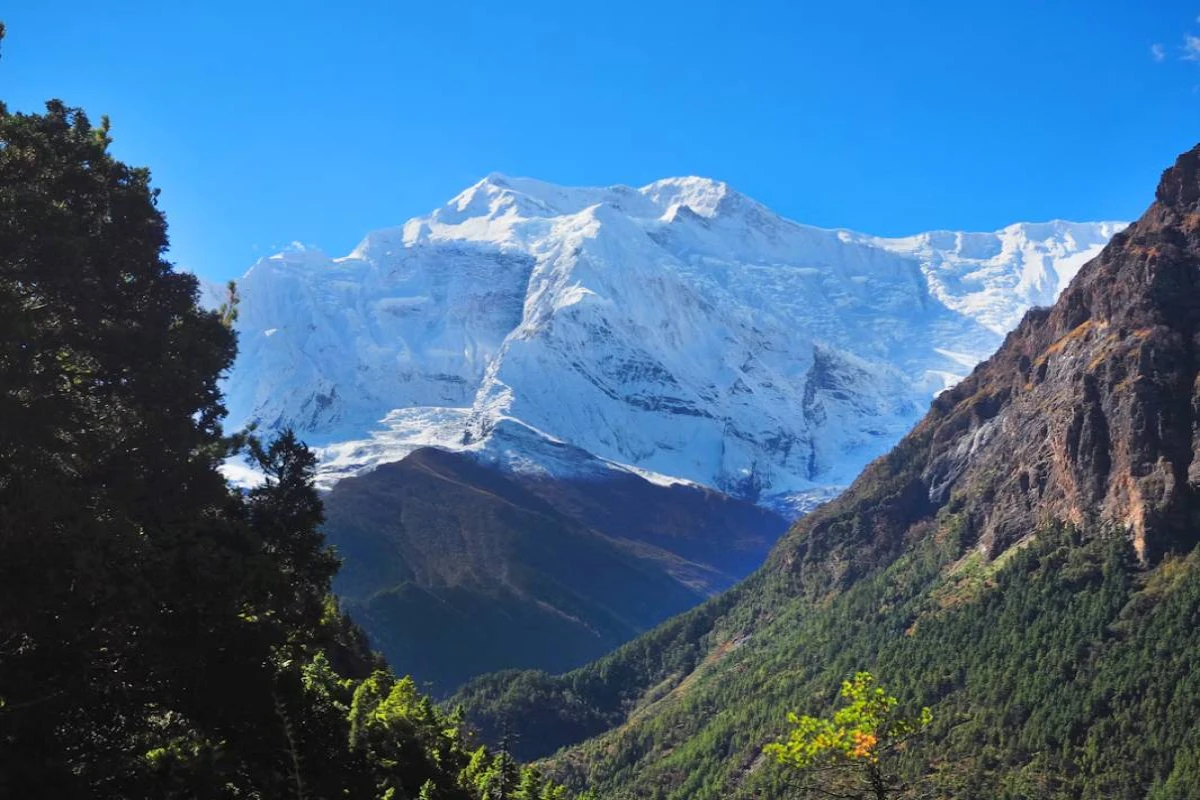
From Dharapani (1,960m), walk to Chame via Bagarchhap and Timang. Continue under Annapurna II to Pisang. Day 5 will take us along the high route, passing Ghyaru & Ngawal. This will be around 17 km, and the higher route will include some uphill sections that are not on the lower route. We chose to do this higher route to add to the challenge of the trek.

Whilst in Manang, we will not shorten the trek any further. We will have a day of acclimatisation on day 6 either around Gangapurna Lake or somewhere suitable. Whilst this does shorten the total package, it would mean we wouldn’t have as much time to spend getting used to sleeping above 4000m.

The route will take US up to Yak Kharka (4,050m) and Thorong Phedi (4,525m). On day 9, we will depart early to start the trek across Thorong La. This will take around 16km to get to Muktinath (3,800m). There can be issues with snow, wind and altitude problems, so we will not force the crossing.

Thorong La is not technical, and with good conditions there will be no rope or crampons required. It can be a long and cold day but is not technical. The risk is due to altitude and the weather. Dawa Sherpa will lead the crossing. Sonam Tashi Sherpa will plan the meals in the days leading up to the crossing, making sure they are light, warm and easy to eat when you lose your appetite.

We cannot guarantee everyone will cross the pass, but we can guarantee how we decide. The guide will calmly decide early on whether to turn back. If we need an emergency helicopter, then this will be at your insurer's cost. Our team in Kathmandu will organise the call and ensure you arrive at the hospital.

This trek is great if you like long days of walking, can cope with basic lodges and like a varied trek. If you are looking for a quieter trail or shorter itinerary, then we will let you know and recommend a better option.

Included in the price are all meals during the trek, accommodation, permits, transportation and a local guide. The porters are paid extras. Travel insurance is mandatory and should cover any applicable emergency evacuation costs. Prices range between US$ 680 and US$ 1,150 depending on group size. The last 2 nights will be spent in Pokhara and Kathmandu, departing on day 12.

Highlights of the Annapurna Thorong la Pass Trekking Trip

  • Bagarchhap and Timang. People usually do not linger long at these villages, which, in our opinion, is a mistake. After all, the pine forest here is the last dense shade along the way, while the next open section will make you regret it.
  • Paungda Danda rock formation near Pisang. It is a single curved rock formation located at an altitude of about 1,500 m above the river level. We always take a photo break here regardless of how tight the schedule is. We are ready to lose twenty minutes to capture this unique location.
  • Pisang Upper: 3,300 m. High trail begins at this village. We do not provide lower alternatives, despite any group requests, not even those groups that request it.
  • Ghyaru and Ngawal. It is believed that the Annapurna wall view in this village is the best on the circuit. We are with you in this opinion. It requires a bright morning, and we cannot promise it.
  • Manang's Gangapurna Lake. It is a short hike with a nearby glacier. We prefer this lake over the Ice Lake because it demands less and provides more.
  • Ice Lake, 4,600m altitude. We state bluntly that this is not for everybody. The journey will last for about 4 to 5 hours, and it is up to the guide who will make the trip. Pride will have no say in the matter.
  • Yak Kharka, 4,050m altitude. The forest is gone; only yaks will rule the slopes from now on. It is an intentionally short day today. We prefer you arrive well rested rather than ahead of schedule.
  • Thorong Phedi, 4,525m altitude. Everyone has trouble sleeping there. It is why we let you know beforehand to avoid unnecessary concern when it happens.
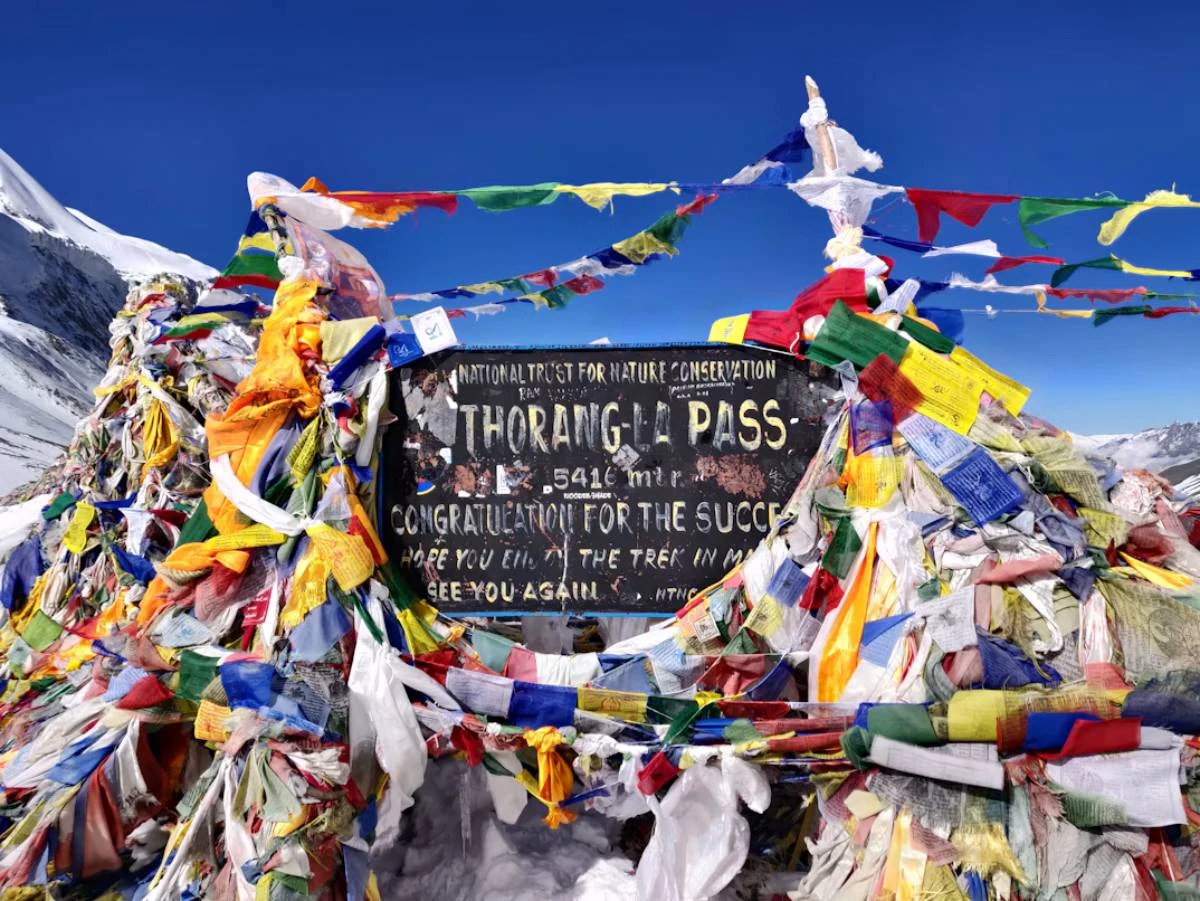
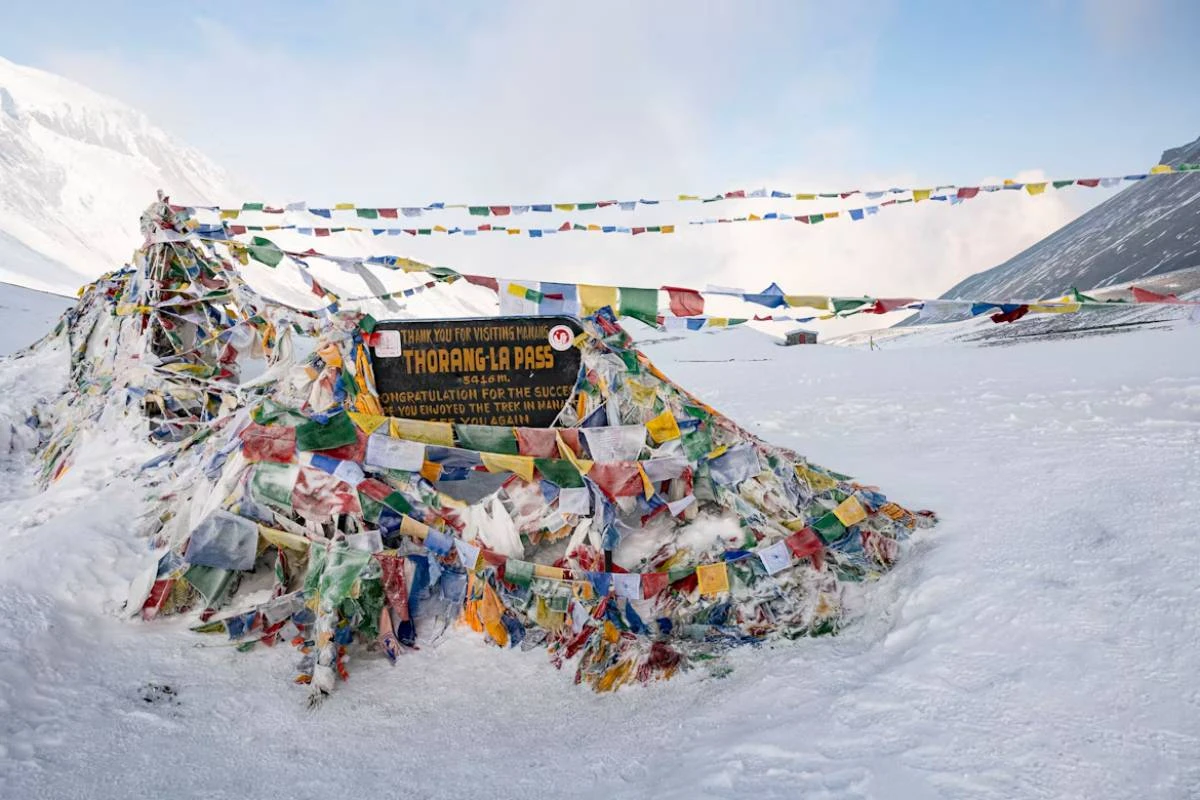
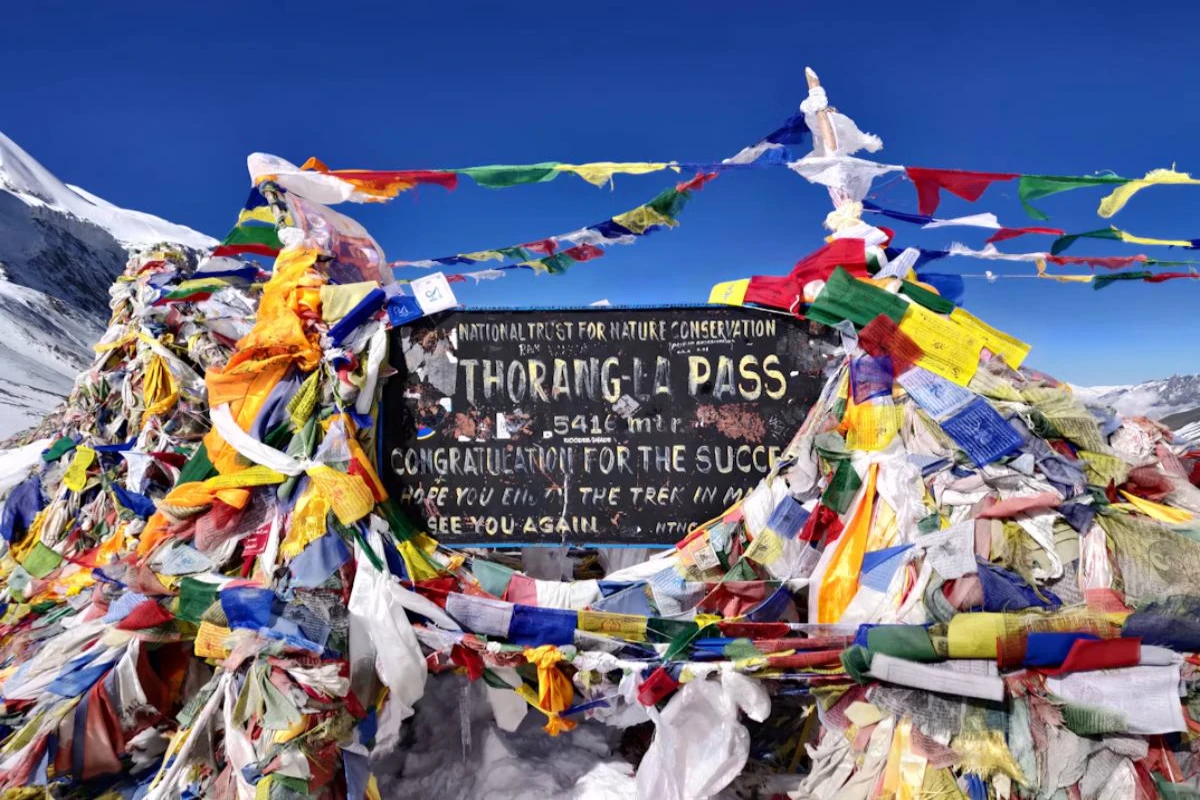
  • Thorong La, 5,416m altitude. It is the peak of your trekking route and the highest point of it. The climb is made in the darkness and in bitter cold. Every step feels hard. And then the flags come into sight, and the pass is finally conquered. Many trekkers keep silent there.
  • 1,600 meters drop down to Muktinath. The guests dread the climb but forget this part. You will feel it in your knees rather than breathing heavily. You take our advice, and we take the walking sticks.
  • Muktinath has 108 water taps. This is regarded as holy for both Hinduism and Buddhism. We request our guests to dress modestly.
  • Jomsom is at an elevation of 2,720 meters. After several days of lush greenery and chilliness, this barren gorge is a completely different country to us. We believe that this is the secret of our circuit.

Why Choose Dream Tibet and Travel for Annapurna Circuit Trekking Package?

  • Same team throughout. We run our trips from offices in Kathmandu and Lhasa. This means that once you have passed Thorong La we can take you right to the end of your trip to either Mount Kailash or Bhutan with the same team.
  • Local guides. The local guide who will assist you with the Thorong La will have experience of what it is like to trek through the cold, windy and low oxygen conditions at 3am on Thorong La. He will set the pace and make decisions accordingly.
  • High altitude experience. We run some high altitude treks in Tibet which include the Kailash Kora at 5,630m above sea level. We know how the body reacts to long days of trekking at high altitudes (over 5000m). This helps us understand.
  • Small groups. We only have one head guide (Bikram Bhandari) meaning the head guide and his assistants can take care of each trekker very well.
  • Insurance is required and we will check this. We collect the insurance details from Bikas Lamichhane in Kathmandu before your walk begins. All emergency helicopter flights are covered by your insurance and we will arrange this.
  • Transparent pricing. Our packages start from $680 per person (for large groups). Porters are an extra paid for.
  • Quick decisions. The company was started by Ram Chandra Lamichhane and lots of people work here who are related to him. If you need to change your plans you will need an extra night in a hotel or helicopter. We will make quick decisions.
  • Carefully planned emergency rescue. In the event of needing an emergency helicopter we have Bikas Lamichhane and Bikram Bhandari working together in Kathmandu. All costs are covered by your insurance and we will organise the helicopter calls, getting you to hospital and keeping your family updated.
  • Pre-planned turnaround. We will talk about this the night before so it makes the difficult decision easier to understand whilst passing through.

Thorong La Pass at 5,416m: The Hardest Day and the Achievement You Came For

The final leg of your climb begins in darkness. The light from your headlamps are the only source of light and you can feel the cool air in your lungs. When reaching the top of Thorong La Pass (5416m) your words become shorter. Some will be counting their steps whilst others will continue to look up for their first view of the prayer flags.

Eventually you see the sign board. This is the most rewarding part of the climb for any hard work done. You are standing at the highest point of your 12 day trek!

We will have a short stop to take pictures and celebrate if we can. However, this isn’t the end of your achievement. The descent to Muktinath is very difficult on tired feet!

Annapurna Circuit Trek 12 Days Cost 2027/2028

The Annapurna Circuit Trek 12 Days will cost you between US$680 and 1,150, depending on your group size. Our price will cover your expenses according to the route described below: vehicle transfer to Dharapani, 7 trekking days, an acclimatization day in Manang, crossing Thorong La Pass at 5,416 meters, and road trip back through Jomsom and Pokhara.

Vehicles help us reduce the distance of the trail. But our itinerary does not exclude the acclimatization day in Manang, as some other itineraries may do to make it cheaper. Our price includes a local guide, trekking meals, 8 teahouse nights, permits, and specified transport. Porters, mandatory insurance, and your teahouse expenses are not included.

Annapurna Circuit Trek 12 Days Price by Group Size

Group Size

Price Per Person

Solo trekker

US$950 - 1,150

2 - 3 trekkers

US$820 - 930

4 - 7 trekkers

US$780 - 850

8 - 12 trekkers

US$720 - 790

13+ trekkers

US$680 - 750

Solo travelers bear the full expense, since they have no one else to split costs with for guides and transportation. Larger groups split the cost among more people. And does a 13-strong group have a quicker journey, less time to acclimatise or a different crossing of Thorong La? No, the itinerary stays the same. So, the final cost for each trekker is ultimately decided by the confirmed booking conditions.

Porter Costs: Why We Keep This as a Separate Choice

We do not include a porter in our basic charges. It is meant to distinguish the trekking package that we have advertised from a trekking package that uses the services of a porter.

Trekkers from Pisang will trek up along the higher path to Ghyaru and Ngawal, making it around 17 km to reach Manang. Afterward, they will trek at heights of more than 4,000 meters via Yak Kharka and Thorong Phedi.

If you feel uncomfortable carrying your luggage for such a distance, it's better to get yourself a porter prior to the journey

Emergency Helicopter Costs: Arrangement Is Not Payment

In the case of the Thorong La Pass trek day, the trek will take you up to 5,416 meters before heading down to Muktinath. This does not imply that you will be given helicopter services free of charge.

Travel insurance is mandatory, and your travel insurance should cover adequate trekking and emergency services. Helicopter dispatch and insurance reimbursement depend on availability and the conditions and payment terms of your insurance company.

We cannot assure you that helicopters will land by the side of an injured trekker or that all expenses will be covered automatically.

What We Will Not Remove to Offer a Cheaper Annapurna Circuit

The trekking routes through Ghyaru and Ngawal, the overnight stay in Manang and the acclimatization day on the sixth day are included in this trekking plan.

We could bring down the cost per person by sharing the expenses of the guide and vehicle costs. We shall not promote this 12-day trekking journey by reducing the cost by stealthily omitting the acclimatization day in Manang or by offering porter services as part of the total cost.

It is important for trekkers to consider what they will get and what else they need to organize independently, along with the costs incurred.

What Makes These 12 Days Different from the Classic Annapurna Circuit?

The Annapurna Circuit route that we shorten involves places where a vehicle may be used instead of walking, not where altitude requires patience. On Day 2, jeep takes trekkers past Besisahar to Dharapani, which will help us save several days of valley trekking.

However, we take a different route above Pisang. Instead of taking the easy valley route, we go through Ghyaru and Ngawal up to 17 km before arriving at Manang. Moreover, we stay for two days in Manang, although dropping the acclimatization day might have made the package easier to market as a shorter trek.

The hardest part is still left as it is: Thorong Phedi to Thorong La Pass (5,416 m), and then the descent to Muktinath.

You won’t experience the whole traditional circuit as you skip the villages after Muktinath. This fact is communicated in advance when making booking for the tour.

Who Will You Trek With? 

  • For our 12-day Annapurna Circuit trekking trip, you have the option to trek privately or inquire about joining others based on our group trekking availability. Group rates consist of five groups, ranging from individuals up to a group of 13 and above.
  • Our experienced local trekking guide joins the group from Dharapani to Thorong La Pass and on to Muktinath, where he determines the route, monitors the trekkers’ progress, and makes arrangements for accommodation.
  • It is not a must for you to be assigned a porter since you are free to choose. In case you prefer someone to help you carry your trekking luggage, we organize that before your departure.
  • We cannot assure all members of a group that they will move at the same pace. Prior to confirming your trekking group and guide services and the number of porters required, we ensure everything is clear.

Annapurna Circuit Trek 12 Days: Day-by-Day Itinerary Overview

Starting with Kathmandu Airport and finishing with your international departure, the 12-day trip schedule comprises a total of eight days of hiking. The second day includes two road transfers: a transfer from Kathmandu Airport to Besisahar by vehicle and then transfer by jeep to Dharapani.

The next five days of hiking lead along the valley of Marsyangdi and then ascend in altitude. The sixth day is planned for local hikes to acclimate in Manang. Overnights will be in Yak Kharka and Thorong Phedi.

On the ninth day, you will get to the maximum height of the tour – Thorong La Pass (5,416 m) and descend to Muktinath. The tenth day of the tour includes a road journey back to Pokhara via Jomsom.

Detailed 12-Day Annapurna Circuit Itinerary: Distance, Altitude, Elevation Gain and Walking Hours

Day

Route / Activity

Start Altitude

Overnight Altitude

Distance

Net Elevation Change

Trek / Drive Time

Transport

Overnight

1

Kathmandu Airport → Hotel

1,300 m

1,300 m

5–7 km

Not applicable

20–30 min

Private transfer

Kathmandu

2

Kathmandu → Besisahar → Dharapani

1,300 m

1,960 m

~230 km

+660 m

8–9 hrs

Vehicle + jeep

Dharapani

3

Dharapani → Bagarchhap → Timang → Chame

1,960 m

2,710 m

~15 km

+750 m

5–6 hrs

Trekking

Chame

4

Chame → Pisang

2,710 m

3,300 m

~13.5 km

+590 m

5–6 hrs

Trekking

Pisang

5

Pisang → Ghyaru → Ngawal → Manang

3,300 m

3,540 m

~17 km

+240 m

6–7 hrs

Trekking

Manang

6

Manang acclimatization hikes

3,540 m

3,540 m

~3–8 km optional

0 m net

2–5 hrs optional

Hiking

Manang

7

Manang → Yak Kharka

3,540 m

4,050 m

~10 km

+510 m

4–5 hrs

Trekking

Yak Kharka

8

Yak Kharka → Thorong Phedi

4,050 m

4,525 m

~8 km

+475 m

4–5 hrs

Trekking

Thorong Phedi

9

Thorong Phedi → Thorong La → Muktinath

4,525 m

3,800 m

~16 km

+891 m to pass, then −1,616 m

7–8 hrs

Trekking

Muktinath

10

Muktinath → Jomsom → Pokhara

3,800 m

822 m

Not provided

−2,978 m

Not provided

Jeep / bus

Pokhara

11

Pokhara → Kathmandu

822 m

1,300 m

Not provided

+478 m

Not provided

Not specified

Kathmandu

12

Kathmandu → Airport

1,300 m

Departure

Not provided

Not applicable

Flight-dependent

Airport transfer not specified

Departure

Itinerary

Annapurna Circuit Trek 2 Week Itinerary Overview

This itinerary uses the rough jeep trip to Dharapani instead of the lengthy trek through the lower Marsyangdi Valley. After that, the trekking starts through Bagarchhap and Timang, where the forest trails, village tracks, and some roads take trekkers through to Chame and Pisang. The other main variation occurs on Day 5. Instead of hiking along the valley road, we hike up to Ghyaru and Ngawal to reach Manang. Day 6 is a day without any more trekking forward. The trekkers can hike above the village but go back to stay overnight at 3,540 meters. There are only two overnight places after Manang to reach the pass: Yak Kharka and Thorong Phedi. On Day 9, trekkers hike 891 meters up from Manang to Thorong La (5,416 m) and descend 1,616 meters to Muktinath. This is the end point of the trek, not Pokhara.

Trip PlanExpand all
Max Altitude: 1,300m Meals: BreakfastAccommodation: Hotel

When you arrive at Tribhuvan International Airport Bikas Lamichhane will meet you. The journey from the airport to the hotel will take between 20-30 minutes, covering a distance of between 5-7km. This is so as this day will be free for you. Later in the evening Dawa Sherpa will do a gear check on the gear you will be using. This includes your boots, layers, sleeping bag and down jacket. They have been hired for you to use on this walk. If anything is missing you can purchase it in Thamel today, so you don’t have to worry about buying it later in Manang. We will also get your insurance details.

Note: Bring a printed copy of your policy. Your insurer, not us, pays for any emergency helicopter, so the policy number must be reachable.

Max Altitude: 1,960m Meals: Breakfast - Lunch - DinnerAccommodation: Teahouse

This is a long transport day, 230km and eight to nine hours, which we make clear to our clients before booking. Our clients travel by private car on the black-top road to Besisahar, and from there, they take a jeep, which takes them through the rough trail in the Marsyangdi Valley to Dharapani. This jeep ride is dusty and bumpy and also vulnerable to landslides during the monsoon shoulder months, and hence we leave Kathmandu quite early in the morning, at 6:30 AM. We halt in Besisahar for lunch; Sonam Tesi Sherpa inspects the quality of the kitchen in the lodge prior to the clients having their lunch.

Note: Keep a daypack with water, snacks, and warm layers within reach, since the main bags travel on the jeep roof.

Max Altitude: 2,710m Meals: Breakfast - Lunch - DinnerAccommodation: Teahouse

We start walking for around 15km/5-6hrs. The path takes us through Bagarchhap, Danaque & Timang. The landscape changes from rice fields and rhododendrons to pine trees. The valley becomes much narrower after Timang. Our guide, Dawa Sherpa, walks steadily and makes sure to be at the back of the group to ensure that slower members are never left behind. At Danaque, we stop to enjoy the magnificent views of the northern ridge of Manaslu and to ensure everyone has had some water to start the day. Chame is the centre of Manang with nearby hot springs. If there is enough daylight left to reach here, we will take guests there to enjoy them. However, if anyone feels tired, we can skip out.

Note: Hydration begins now. Our target is three liters of water per individual during the trek, and our team fills up the bottles at each lodge.

Max Altitude: 3,300m Meals: Breakfast - Lunch - DinnerAccommodation: Teahouse

Approx. 13.5 km, 5-6 hours. This is a big change in landscape. You begin in heavy pine forest and go up some steep, rocky paths. You will walk under the Paungda Danda rock face, which rises almost 1,500m above the river. On clear mornings, you can see Annapurna II and Lamjung Himal. To get across the river, we use suspension bridges. Dawa Sherpa tells us to keep a good gap between us whilst walking, as there are some areas where the rocks are loose. There are 2 sections to Pisang. Upper and lower. Depending on where we stay tomorrow, we will decide whether we stay in the upper or lower lodge, as the upper trails begin from upper villages.

Note: Night temperatures at 3,300 m are cold. We give information about layers before dinner.

Max Altitude: 3,540m Meals: Breakfast - Lunch - DinnerAccommodation: Teahouse

We chose the upper road (Ghyaru and Ngawal) with a distance of 17km. This should take us around 6-7hours. This ascent is quite steep, so we gain height quickly. You will be above 3,700m the whole day, and although you wouldn’t sleep much higher than the previous night (less than 240m), your altitude will increase very quickly. We can see some great views of Annapurna II, III & IV and Gangapurna from the valley. These are some of the best views on the circuit. We have warned some fit groups who wanted to take the lower route that we don’t offer this option, as it is an important day to set the tone for the rest of the trek. We arrive in Manang, which is a stone-built village with bakeries. We arrive with plenty of time to rest.

Note: Speed is less important than pace today. We take breaks every 45-60 minutes.

Max Altitude: 3,540m Meals: Breakfast - Lunch - DinnerAccommodation: Teahouse

Not a rest day. We ignore requests to make it one. We always aim to gain as much altitude as possible and sleep low. On most days, you will walk up to Gangapurna Lake and Bhojo Gompa (3- 5 km). This gives a great view of the glacier. If you are fit, we will try to get you up to Ice Lake at 4,600m. This is a longer walk but only takes 4-5 hours (5- 8 km). Whether we will do this depends upon how well you have slept and your oximeter reading in the morning, not your ego. The Himalayan Rescue Association checkpoint will give us a short seminar on altitude in the afternoon. We will all attend. We will also plan our strategy for the Thorong La. Everyone knows when to get up.

Note: Do not drink alcohol or take sleeping pills. Alcohol and sleeping pills will both inhibit your breathing at night and hide symptoms of altitude sickness.

Max Altitude: 4,050m Meals: Breakfast - Lunch - DinnerAccommodation: Teahouse

Today is an easy trekking day, approximately 10km. We are slowly ascending out of the valley, so there is little tree cover. This is replaced by the wide-open alpine grasslands and gentle slopes covered by grazing yaks. Speed is kept very low. As we are only gaining a small amount of altitude (500m), you will notice the air becomes lighter. Freshness will be more important than time. Guests will feel pretty fit today and will want to keep walking, but we will not let them! We arrive at a small lodge village called Yak Kharka. The rooms are very basic and cold. Sonam Tesi Sherpa provides guests with a light meal consisting of soups and rice, with plenty of fluids, as guests do not eat very much.

Note: We will check the levels of oxygen saturation and pulse at the lodge today. A slight decline in readings is normal, whereas a deteriorating condition is not.

Max Altitude: 4,525m Meals: Breakfast - Lunch - DinnerAccommodation: Teahouse

Today's walk is around 8km and takes between 4 and 5 hours. There are some hills to climb, but nothing too strenuous. There is a little path to cross the landslide area, which is very slippery, so we need to take care. We walked one after the other with our trekking poles packed away. Thorong Phedi is just below the pass, and there are a couple of lodges. From here we start our ascent up to Thorong La. We didn't have much time in the evening and just relaxed. Dawa Sherpa told us what would happen tomorrow. We would have to get up very early (around 3 am), have a quick breakfast and start walking at 4 am. So we would need to pack some clothes and water into our daypack. We decided how long we would walk before turning back.

Note: We won't be able to sleep very well tonight, but this is perfectly normal.

Max Altitude: 5,416m Meals: Breakfast - Lunch - DinnerAccommodation: Teahouse

It is the toughest day on the trek: 16 km and about 7 to 8 hours of trekking, starting early in the morning in the dark around 4 AM. Ascending Thorong La Pass involves an elevation gain of 900 m, with steep and cold walk at a slower, steady pace. Our target time to reach the pass is about 4 to 5 hours. Weather and cold are the main challenges, and temperature at the summit is expected to go well below zero. We stay at the pass for few minutes only to take pictures at the signboard marked by prayer flags and continue our descent of about 1,600 m down to Muktinath.

Note on the weather/snow on Thorong La: In case the weather is not favorable, we will spend an extra night at Thorong Phedi campsite, or if there is heavy snowfall, we will come down to Muktinath campsite until the pass is clear. We do not allocate any spare day in this schedule; let us know if you want to include a spare day in the trip.

Max Altitude: 2,720m Meals: Breakfast - LunchAccommodation: Hotel

After the pass, we take a break, giving your legs a chance to recover. We begin the day by visiting the sacred Hindu/Buddhist Muktinath Temple. This has 108 water spouts and an eternal flame. Please dress appropriately and respect local customs. We then drive to Pokhara via the Kali Gandaki Valley. Depending on the number of people in your group, we will take either a jeep or bus from Kagbeni & Jomsom. This will be quite a bumpy ride in some places. The journey will consist of a lot of dust & bumpy roads. It will take between 8 and 9 hours to reach Pokhara. As we descend, we move from a desert landscape to a lush green one. The journey is at a relaxed pace, with a lunch stop at either Tatopani or Beni. We arrive in Pokhara in the evening and stay the night.

Note: Please keep your backpack handy. The road will be dusty, and a bandana or buff may be useful.

Max Altitude: 1,300m Meals: BreakfastAccommodation: Hotel

A journey of roughly 6 to 7 hours on the Prithvi Highway through Trishuli and Marshyangdi Rivers. We depart following a leisurely breakfast to give everyone an extra day’s sleep, and the team gets an opportunity to explore Phewa Lake in the morning if anyone feels like doing so. Upon reaching Kathmandu, we get you checked into the hotel and arrange for a farewell dinner with the team. We distribute feedback forms and go through each one individually after every trip. A number of other details related to the routes, like using the upper route to reach Manang, are the result of feedback from our past guests. Both Dawa Sherpa and Sonam Tesi Sherpa join in for dinner too.

Note: It is to be noted that tipping information is provided before the trip, not on the last day.

Max Altitude: 1,300m Meals: Breakfast

It's Bikas Lamichhane who takes care of the airport transfers, and he sticks around with the party until the time of check-in. We recommend that you have at least three hours as buffer before international departure, considering the traffic conditions in Kathmandu. In case your departure is delayed, we can help organize late check-out or day room, but at your own expense. There is no activity scheduled in the morning of your last day. The twelve days you spent here have completed the famous Annapurna Circuit Trek, and all that is left is a silent farewell. You will be leaving tired but happy, and we would love to have you again for some other trekking.

Note: Please keep all receipts in case you claim travel insurance in case of medical attention during trek.

Couldn't find what you're afterReach out to our travel experts.
Cost Details
Includes
  • Eight nights' guest house/tea house accommodation on a twin-sharing basis
  • Meals during the trek as per the itinerary
  • Conservation entry permits and TIMS permit
  • Ground transportation from Kathmandu to Dharapani, and Muktinath to Jomsom- Pokhara
  • Trained local trekking guide
  • Salary, food, drinks, accommodation, transportation, and insurance for the guide and staff
  • Arrangement of Emergency Helicopter service (Paid by the travel insurance company)
  • Sleeping bag, down jackets if necessary, and return after the Trek
  • Seasonal fruits after dinner while on the Trek
  • T-shirt and trekking map
  • First Aid and oximeter
  • Official expenses and service charge
Excludes
  • Travel insurance (compulsory)
  • Trekking Porter (available as an add-on)
  • Your personal expenses/shopping
  • All alcoholic and non-alcoholic drinks
  • Sweet things like chocolate bars and bar bills
  • Hot showers, internet, telephone, and laundry
  • International airfare
  • Tips for the guide and staff
  • Anything not mentioned in the included section
Essential Information

When Is the Best Time to Trek the Annapurna Circuit?

The best months can usually be expected between March and May and from September to November; however, when choosing a certain month to visit based on how clear the peaks are in the photographs, you have to take into account that the weather can change dramatically from the valleys to the passes.

Even if it is a beautiful sunny day in Manang, there is no guarantee as to what conditions you will face when crossing the pass. There could be snow on the shaded areas of the trail, and the wind can be very strong, making it a difficult and sometimes dangerous crossing.

Annapurna Circuit Weather and Seasonal Conditions

Month

Typical Conditions

Main Concern

Planning Advice

January

Very cold, possible heavy snow at higher elevations

Snowbound trails and extreme cold

Consider an alternative itinerary if the pass is inaccessible

February

Cold with variable snow conditions

Ice, snow accumulation and difficult access

Confirm local trail conditions before departure

March

Spring transition, improving conditions at lower elevations

Persistent snow above Manang

Carry proper cold-weather equipment

April

Generally favorable spring trekking conditions

Afternoon clouds and occasional snowfall

Good month for trekking, but not snow-free

May

Warmer lower valleys and increasing cloud development

Heat lower down, precipitation higher up

Start walking early on exposed sections

June

Beginning of the summer monsoon

Wet roads, landslides and poor visibility

Build flexibility into transportation plans

July

Monsoon conditions in much of Nepal

River crossings, road disruptions and slippery trails

Check access to the starting point carefully

August

Continued monsoon influence

Landslides, muddy tracks and transport delays

Do not assume rain-shadow areas eliminate road risks

September

Monsoon withdrawal, improving visibility

Residual rain and damaged roads

Early September requires more flexibility

October

Popular autumn trekking period

Crowded lodging and cold higher elevations

Arrange accommodation and group logistics early

November

Usually clearer skies with increasing cold

Freezing mornings and shorter daylight

Carry warmer sleeping and hand protection

December

Winter conditions developing

Snowfall, ice and limited high-altitude services

Check whether the pass remains safely accessible

These are general seasonal patterns, not a forecast for a particular departure.

Why October Is Not Automatically the Best Choice for Everyone

The reason people love going trekking in October is that the visibility is well known to be great. However, the restaurants can be busy, and there will be fewer choices in the bedrooms. The days are long, and the weather will be spring-like in April. However, there will still be snow at higher altitudes. If you can cope with colder mornings, then November could be a good month.

We would suggest you choose a month to go based on how cold you can cope with, how much time you have and how flexible you can be with the weather. October is featured in most Trekking adverts.

How Fit Should You Be Before Starting the Trek?

This trek isn’t a mountain expedition, so you don’t need any climbing, rope or ice climbing skills.

However, you won’t be able to rely on general walking experience.

Your preparation should centre around whether you can walk uphill for a few hours, come down without injuring your knees and do it again the following day. The main part of your training should be similar to what you will be doing on the mountain.

Doing gym training won’t ensure you’ll have comfortable footwear for 7 hours, and your running speed won’t tell you anything about how comfortable you’ll be at 4500m.

A Practical Six-Week Training Plan

Training Period

Walking Target

Additional Work

What to Assess

Weeks 1–2

Three walks weekly, including one 2-hour hill walk

Squats, step-ups and calf raises

Blisters, footwear pressure and basic endurance

Weeks 3–4

One 3–4-hour hill walk plus shorter sessions

Descending stairs, balance and light backpack training

Recovery after repeated climbs

Week 5

One longer 5–6-hour hike with a loaded daypack

Controlled downhill walking

Knee pain, foot fatigue and pacing

Week 6

Reduce training volume and maintain easy walks

Mobility, sleep and equipment checks

Recovery before departure

This is a general preparation example, not a fitness certification or substitute for medical assessment.

What We Would Rather Know Before Departure

Make sure to inform the trekking company if you have ever had an illness from altitude, multiple knee problems, difficulty breathing, or trouble descending slopes.

The information will help determine whether you need extra preparations or consultation.

Do not hold back your past sicknesses from the altitude out of fear of not getting in the group because this information is much more valuable before you go to Nepal than when you get altitude sickness above Manang.

What Should You Do Before Traveling to Nepal?

International logistics require special attention because troubles at the airport can mess up the rest of the schedule. Usually, all tourists are allowed to enter Nepal through the visa-on-arrival procedure. However, there are countries that require visa before visiting Nepal.

Documents to Prepare

  • Valid passport (Usually at least 6 months).
  • Valid Nepalese Visa or Visa on Arrival.
  • Airline tickets for international flights and return flight.
  • Travel Insurance certificate, including emergency help details.
  • Emergency contact name and phone number.
  • Medical info and any meds on prescription.
  • Copies of passport details.
  • Booking confirmation and what you have agreed in terms of services.

Have copies available offline. Having a photo in your email is not as useful if there is an issue with the mobile network.

Nepal Tourist Visa Fees

Tourist Visa Duration

Published Standard Fee

15 days

US$30

30 days

US$50

90 days

US$125

There are also visa exemptions and differing visa requirements depending on your nationality.

Although it may seem that a 15-day visa will be enough for your 12-day trip, you really won’t have much flexibility if you decide to get there early, do more sightseeing or leave later.

Choose your visa length based on when you actually arrive and leave rather than the number given in the trekking package title.

What Trekking Permits Are Required?

This trekking trail passes through the Annapurna Conservation Area, which requires a proper conservation permit. The Nepal Tourism Board also mentions this trek (Annapurna Circuit) requires a TIMS permit.

The correct personal details will be required for these permits; however, they are included in the package.

Permit Preparation Checklist

Requirement

Why It Matters

Passport details

Used to match the trekker to the permit application

Nationality

May affect the applicable permit fee

Trekking route

Establishes the area covered by the application

Planned travel dates

Helps keep documentation consistent with the booking

Guide and agency information

Required for the relevant agency-issued trekking arrangements

Permit copies

Useful during checks and if documents need to be reviewed

If you have a permit from another trekking area, do not expect to use it to get into the Annapurna Circuit. As they require a National Park Fee for entry, you cannot use a park fee from another area.

Before heading to the mountains from Kathmandu, make sure your documents are correct. It will be easier to fix any small mistakes.

Travel Insurance

Many policies cover basic hiking up to certain altitudes, whilst others provide emergency medical treatment but no helicopter evacuation, search and rescue or repatriation.

The key thing to remember is that just because they offer adventure travel insurance does not mean that your particular policy will cover your particular adventure, at the altitude, under the circumstances you're travelling.

Insurance Conditions Worth Checking

Policy Detail

What to Verify

Maximum trekking altitude

Coverage must extend above Thorong La's 5,416 m elevation

Emergency evacuation

Helicopter and other evacuation arrangements, subject to policy terms

Medical treatment

Hospital care following illness or injury

Search and rescue

Whether search expenses are covered separately

Pre-existing conditions

Declaration and exclusions

Trip interruption

Weather and other covered events, according to policy wording

Emergency assistance

A functioning 24-hour contact service

Upfront payment

Whether the insurer can authorize or guarantee costs directly

Request a written confirmation that you are covered for high-altitude trekking.

Verbal assurances can be hard to rely on when it comes to providing financial authorisation from the salesperson.

Why Evacuation Arrangements Need a Separate Explanation

Why do you need to include evacuation arrangements? While we can help organise your emergency evacuation, there may be factors that make Dream Tibet responsible for paying for the evacuation. These may include:

Approval from your insurance company, weather conditions, availability of aircraft and patient position.

It is a good idea to keep the insurance assistance number on your phone and print it out. Your guide shouldn’t have to look through your emails in an emergency situation.

Understanding Altitude Sickness Before It Happens

Altitude illness will not necessarily tell you if you are fit or unfit. Marathon runners can suffer from acute mountain sickness, whereas someone of average fitness could acclimatise well.

The key factors are how your body reacts to the low pressure of oxygen, how quickly you are ascending, previous experience of high altitude and how sensitive you are.

Headaches can be caused by many things after a busy day. If you start experiencing new headaches at altitude along with nausea, dizziness or extreme tiredness, then you should take note.

Symptoms Trekkers Should Report Immediately

Observation

Possible Concern

Appropriate Response

New headache with nausea

Possible acute mountain sickness

Stop further ascent and obtain guide/medical assessment

Repeated vomiting

Significant illness or dehydration, including possible altitude illness

Medical assessment; do not climb higher

Unusual breathlessness at rest

Possible serious altitude-related illness

Urgent medical attention and descent planning

Difficulty walking straight

Possible neurological emergency

Immediate descent and emergency treatment

Confusion or unusual behavior

Possible serious illness

Treat as an emergency

Persistent cough with worsening breathing

Possible pulmonary problem

Urgent assessment and evacuation planning

A guide can monitor symptoms, but a guide is not a replacement for a physician.

Why an Oximeter Reading Is Not a Pass-or-Fail Test

This comes with an oximeter. This measures the amount of oxygen getting to the extremities of your body and can help with monitoring.

The number requires context.

Cold fingers, poor blood flow, movement and equipment can all affect this number. The oxygen saturation will also depend on the altitude and how used to this individual is.

There is no exact number that means you are definitely safe to continue.

If someone has what looks like a safe number but then shows signs of confusion, clumsiness or severe breathing difficulties, they need to be seen urgently. We would not rely on the Oximeter results to ignore any dangerous symptoms.

Medication and Prevention

If it is appropriate for you to take Acetazolamide (commonly known as Diamox), then please discuss this with a qualified professional prior to travelling. This can help with acclimatisation in some cases; however, it does not mean you can ascend quickly and safely.

Do not take prescribed medication just because another trekker has recommended it over dinner. This goes for sleeping tablets and any medication that could cause you to have reduced breathing.

Accommodation on the Annapurna Circuit

For eight nights, we stay in teahouses and guesthouses on a twin-sharing arrangement: Dharapani, Chame, Pisang, two nights in Manang, Yak Kharka, Thorong Phedi, and Muktinath. The rooms will be basic, with thin walls, shared toilets, and no heating facilities in the rooms. Hot showers and charging services will cost extra at most lodges, and Wi-Fi connection is not reliable, so we inform our guests about this.

The warmth will be generated from the dining room fireplace and the sleeping bag and down jacket, which we will provide you. Thorong Phedi will be the most basic stopover point, as there will not be many lodges which can sustain themselves at such altitude. We will not provide any upgrades in Thorong Phedi, and we will not entertain any requests for single rooms during high season, as beds will be limited.

Sherpa Dawa will inspect the lodges’ rooms beforehand.

Meals on the Annapurna Circuit

Meals are included in your trekking package. These can include a variety of dishes, including Dal Bhat, noodles, fried rice, soups, eggs, and porridge cooked in the kitchen of the teahouses. Menus will be very similar between the various lodges and even more so further up the trek, where everything sent to your lodges will be carried either by porter or mule. You will be informed of this prior to making a reservation.

We recommend you try Dal Bhat. You will be provided with top-up meals to give you energy to keep walking all day. Our head chef, Sonam Tesi Sherpa, says it’s best to avoid eating any meat past the Manang region, as it has been transported for many days without being kept cool. Garlic soups and other vegetarian meals are recommended. Seasonal fruits are served at the end of your meal.

Beverages are not included. These include tea, coffee, soft drinks, water and alcoholic drinks. Chocolates can be purchased additionally. We do not recommend consuming alcoholic drinks at altitude.

Travel Insurance and Emergency Helicopter Evacuation

All guests must have travel insurance, as it is extremely important. We will check all policies in Kathmandu on Day 1 before we head off in the jeep to Dharapani. If guests say they will sort it out later, we will not let them go, as this is the worst place to realise you do not have the right coverage, whilst being 4500m up!

Make sure the travel insurance covers high altitude trekking (up to 5500m) including the Thorong La peak (5416m), helicopter rescue and medical care in Nepal. Often, standard policies do not cover high-altitude trekking, so make sure you read the fine print!

The insurance company will cover any emergency helicopter costs. Most helicopter rescue companies require proof that you are covered before they will fly you, so having our contactable number is useful. We will handle the phone calls and getting you to the hospital from Kathmandu.

How Difficult Is the Annapurna Circuit Trek?

This trek requires moderate to high levels of stamina. Whilst not a technical climb (you won’t need any ropes or crampons), you will need to be physically fit for the entire 12 days. The issue is not technical skill but rather altitude.

Most days can be up to 7 hours of walking. Days 5 and 9 will be the most challenging. Day 5 is approximately 17km (6- 7 hours) on the upper route. On day 9, we will be walking approximately 16km (7-8hours) over the Thorong La Pass. We start this day at 4 am, and the walk down off the pass is long (over 1600m). This is really hard on the knees.

We recommend doing some regular walks with a rucksack loaded up in the months prior. Kalpana Lamichhane Neupane will speak to each guest to find out how fit you are and if you have previous experience with altitude. We have had bookings declined after this chat as we felt they wouldn’t be able to physically do it. Some guests would like to fit more into their itinerary. Dawa Sherpa will set the pace on the trail, and our guides have the final say on turning back.

FAQs

Inform your guide at the earliest opportunity. Headaches and poor sleep can be common so that Dawa Sherpa will monitor your oximeter every evening. If you are suffering from severe headaches, confusion or dizziness, then we will descend. We will not compromise here, and if a guest says they are fine, we will still descend.

This is at the discretion of your guide. We will never attempt to cross if it is not safe. We may stop for an extra day at Thorong Phedi/Yak Kharka if the weather is looking better. Any extra nights and any changes to the itinerary will incur costs. Please ask us about this at the time of booking.

Sometimes, yes, but there will be a cost. Hot showers, charging and internet are not included. The higher you go, the more expensive things become. There are also patchy mobile phone signals. We recommend bringing a power bank and letting the family know there may be quiet days.

Yes. It is best to withdraw cash in Kathmandu/Pokhara. There will be no ATMs or card machines in the mountain villages. You will need cash for drinks, showers, charging, snacks and tips.

Water is available, either boiled or filtered at lodges. There are places where you can top up in larger villages. However, using bottled water creates plastic waste, so we recommend using purification tablets or a purifying bottle. If you can avoid drinking unpurified water from taps or streams, that would be ideal.

You're very welcome to come trekking alone. You'll be charged the group rate according to how many people are in your group. If you're alone, there will be a slightly higher price. While we do not have an age restriction, we will discuss any health issues and previous altitude experience of our guests to ensure they are suitable. We have turned down bookings where the answer wasn't right.

Tipping your guides and staff isn't included. We will give you a guideline to follow before the trek so you know how much to tip.

We would recommend adding an extra day in Kathmandu. The drive on days 2, 10 and 11 can be long and may run late. Have a buffer day to avoid any stress.

This trek isn't an independent walk. All groups will have a trained guide with them. As we have to make turnaround decisions at Thorong La and check altitudes, we cannot say no to guides. We won't allow anyone to remove their guide to save money.

Yes! There are plenty of vegetarian options, including dal bhat, vegetable soups, noodles and fried rice. Sonam Tesi Sherpa will plan the meals knowing there will be vegetarians. Please let us know of any allergies prior to the trek starting.

Yes, you can usually store an extra bag at your hotel in Kathmandu. Only take what you need on the trek to keep your main trek bag light.

You will get up around 6 am and have breakfast. You will be walking for 4-7 hours with a lunch break. You will arrive back at the lodge around mid-afternoon. You will have a break, have a cup of tea and then have dinner. Most guests will be asleep by 8.30 pm.

Unforgettable Travel Experiences
October 11, 2026
Exceptional Organization for a Once-in-a-Lifetime Trek

Dream Tibet Travel was able to prove itself only because of the perfect coordination. There are numerous fantastic places to see in this 12 days' tour, which includes Upper Pisang...

read more +
A
Anthony Allen
United Kingdom
April 20, 2026
A Magical 12 Days Filled with Professional Care and Safety

High-altitude trips may not be easy for all of us, but our tour operators made sure that we were completely safe throughout. We knew very well how we should take...

read more +
M
Madeline Hoover
United States
October 22, 2025
Flawless Logistics and Unforgettable Himalayan Views

The 12-day trip that we went through with Dream Tibet Travel Company was perfect for us since it offered the best balance of the culture in Manang, traveling through the...

read more +
J
Junaid Oneill
Belgium
Recommended for you
Kailash Manasarovar Small Group Tour
Tibet
Starting fromUS$1450US$1600
Mount Kailash Charan Sparsha Tour Package- 15 Days
Kailash Manasarover Tour
Starting fromUS$2450US$2590
Need Help? Call Us.+977 9851162422