Kailash Inner Kora Trek

Kailash Inner Kora Trek-15 Days

Duration15 Days
Trip GradeStrenuous
Maximum Altitude5,860 meters
ActivitiesOuter Kora, Climbing to 13 Golden Chortens and Saptarishi Cave, crossing high pass, performing worship/charan-sparsh
Group Size1-21
StartsKathmandu
EndsKathmandu
Best TimeMay to mid-October

Reach the Top Level of the Kailash Manasarovar Yatra by availing our full-length Inner Kora Tour Package. Whereas the Outer Kora (52km) is done by thousands at a time, a few who are physically fit and spiritually inclined take on the tougher Inner Kora (Nandi Parvat).

Such an itinerary also includes a "3+1" trek: you do the easier 3-day Outer Kora to get acclimatised, before attempting the strenuous Inner Kora afterwards. T

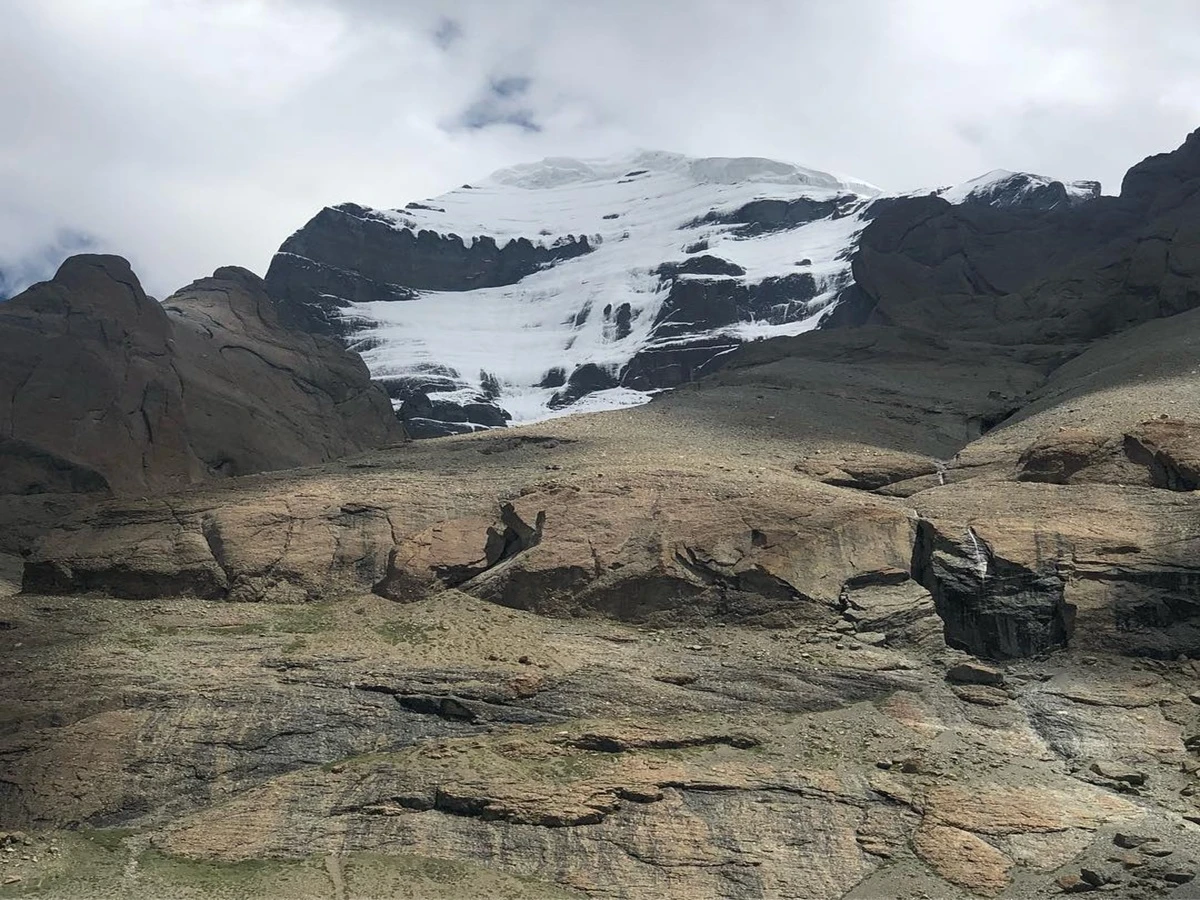
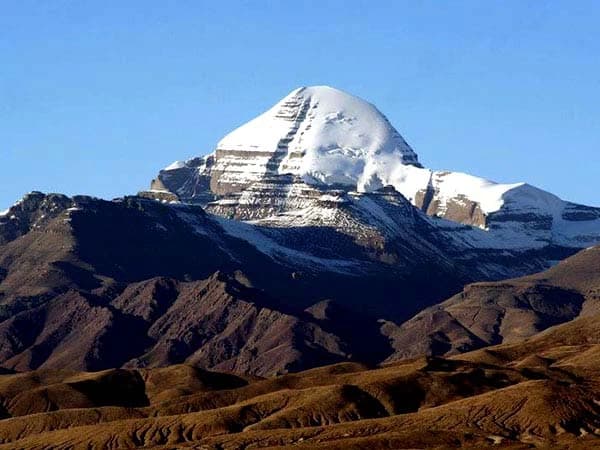
his is not just a walk but an introductory semi-technical alpine pilgrimage placing you right on the South Face of Mount Kailash, Saptarishi Caves and Atmalingam.

Note: This trip is for experienced climbers - steep climbing and roped scrambling throughout to an altitude of 5,800m.

Kailash Inner Kora Trek - Ultimate 5,860m Pilgrimage Overview

For a real pilgrim, one kora of Mount Kailash is a boon. But to circle both routes, the original Outer Kora and the more gruelling Inner Kora, is a life-defining act of pure faith. This 15-day total pilgrimage tour is for disciples who are drawn to walk in all sacred steps around the Holy mountain Kailash

Your spiritual journey starts in Lhasa, where you acclimatise and see ancient temples. Later, a scenic drive will take you to the sacred Lake Manasarovar for a purifying dip. The actual pilgrimage begins at the foot of the mountain in Darchen. From here, setting out for the renowned Outer Kora.

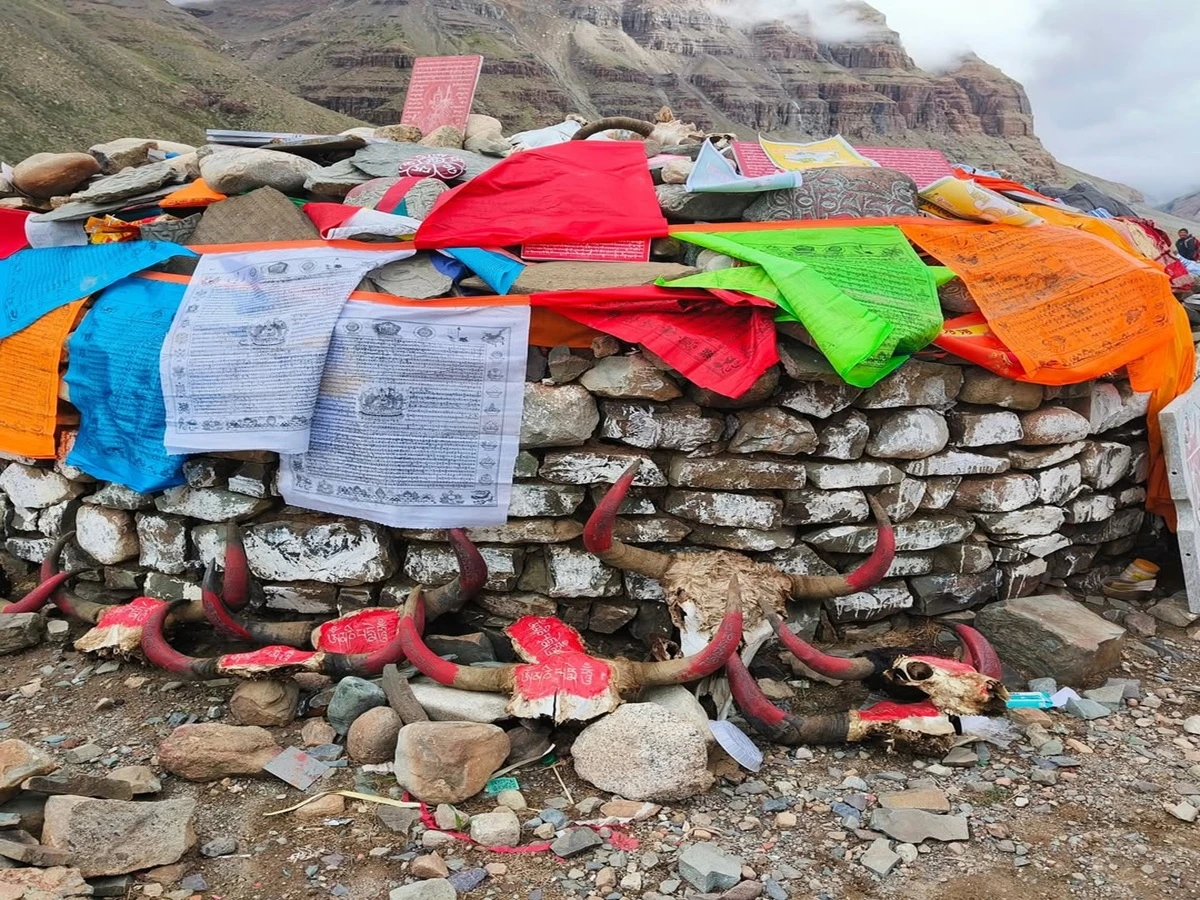
For three days, you will walk about 52 kilometres (about 32 miles) on a well-worn path with fellow pilgrims. You’ll traverse trails lined with prayer flags, visit monasteries like Dirapuk, and cross the high Dolma La Pass at 5,630 meters.

But your journey goes deeper. Once Outer Kora is done, our experienced guides will take you to an even more challenging part of Mount Kailash, the Inner Kora. This 2-3-day trek brings you nearer to the very faces.

The route is harder, steeper and far less travelled. You will hike on rocky ground and sleep under the stars in the vicinity of places with powerful energy, such as the base of the soaring south face. This section of the walk is meant for those who are interested in the most direct way of connecting oneself to Kailash.

We take care of all the difficult details for you: special Inner Kora permits, comfortable lodging, food and a support team complete with guides who know the trail as well as the customs. You can fully enter into your prayer and personal quest.

At Dream Tibet Travel, we are experts and work towards a safe and successful yatra. We offer experienced Nepali and Tibetans guides to take you up the steep Nandi parvat.  Call today for the best price guaranteed and get your permit in hand for the 2026 season.

Highlights

  • Circuit trek 34km around the base of Mount Kailash.
  • The crossing starts and comes back to Darchen
  • Trek through challenging terrains of rock, snow, ice and crevasses in the Himalayas.
  • Hikes on 5,600–5,860 m high peaks for acclimatisation and endurance.
  • Exploring the more holy places such as Asthapath, Nandi Parvat, Atmalingam, Saptarishi Cave and Rakshas Lingam.
  • Enjoy a personal "darshan" of Mount Kailash with face-to-face sights and chances to touch the base.
  • Inner Kora is for inner transformation-spiritual evolution, a path of purification and merit.
  • Main monasteries visited: Dirapuk, Zutulpuk and Selung on the inner Kora route.
  • Chiu Monastery near Lake Manasarovar Visit.
  • Visit to Lake Rakshastal, the second sacred lake after Manasarovar.

Who This Is For / Who Should Skip in 2026/27?

The Devoted Pilgrim

This pilgrimage is ideal for those who consider their faith to be centred around Mount Kailash. The Inner Kora introduces them to sacred sites such as Golden Chortens, Saptarishi Cave and Atmalingam. It is said that falling on a pilgrimage of this nature brings an uncommon blessing and rich spiritual reward.

The Extreme Altitude Trekker

Those who love to push their boundaries at altitude will find the Inner Kora rewarding. The route will reach an altitude of more than 5,800m and involves steep ascents and basic amenities. It combines physical difficulty with cultural immersion, and is perfect for those who’ve already got some trekking experience.

Who Should Skip?

Casual tourists, those trekking for the first time, or hikers with medical conditions, need not venture to the Inner Kora. The altitude is relentless, and the terrain, relentless itself. If you’re not prepared, the risk can be high.

Alternatives

The 52-km, three-day Outer Kora is the preferred option for pilgrims or trekkers who seek a memorable experience without the intensity. Others might favour a cultural trip to Lake Mansarovar or the Tibetan monasteries for some spiritual depth without the exertion.

A Day on the Inner Kora

By first light, strong, cold winds will blow across high, cold, high-altitude plateau land. The temperature at that height is currently well under the freezing point. Breathing will be extremely hard going up to the Golden Chortens - it is very difficult for a non experienced one to reach this high, only at around 5500 m (18,063 ft)  and legs become heavy on the climb because of the high altitude and also because of the strong wind chill. The chill may affect the fingers and toes despite wearing gloves.

There are times when the trekking teams recite mantras, bow down in front of the sacred stones and offer butter lamps at various intervals. The guides carry flasks of hot tea to keep themselves warm and provide tea for those who come across them. The teams help carry some of the prayers so that the pilgrims can remember to be connected with the holy sites located at that altitude.

By the time the trekkers reach Saptarishi Cave or Nandi Parvat in the early afternoon, there will be a sense of awe and peace, as well as the physical toll of fatigue. The fatigue levels increase during the descent because of the heavy walking. Trekking staff travel from camp to camp, checking on each trekker and assisting them with their descent back down from the mountain.

Kailash Inner Kora Trek Price 2026, and 2027

We are firm believers in transparent, fair pricing. The price of the Inner Kora is also higher than that standard tour due to specialised guides, expensive special permits to the region and emergency logistics.

Group Size Pricing Matrix is listed below. The bigger your group, the cheaper it is per person, as costs for transport and support crew are shared out.

Combination Includes: 15-Day Itinerary, Visa, Permits, All Transport, Meals, Accommodation & guide Support.

Group Size

Price Per Person (USD)

Indian Passport Holders (INR)

2 - 4 Pax

$3,450

Call for Quote

5 - 10 Pax

$3,150

Call for Quote

11 - 20 Pax

$2,850

Call for Quote

21+ Pax

$2,650

Call for Quote

Why the price difference?

  • Small Groups (2-4) - You get the private Land Cruiser and a personal team all to yourself. This is the ultimate in flexibility and individual attention.
  • Family Reunions, Large Groups (21+): For the overland transportation, we can use luxury buses and make the kitchen crew “in proportion” to your group.

Note for 2027 Bookings

Because permit fee increases are expected, any 2027 reservations made after December 2026 can incur a hiked cost by around 5-8%. Lock in 2026 Inner Kora Trek price with a 10% deposit.

Special Permit For Inner Kora Trek

The biggest headache of the trip is acquiring the right travel papers for Mount Kailash. The special Inner Kora and Nandi Parvat pass is extremely difficult to get. It’s pretty hard to get your hands on these papers yourself as a foreigner because most Chinese and Tibetan offices control access.

This is the reason our service exists. We are your credited tour company and take care of all the paperwork for you. For all the necessary permits, we apply to various government offices, including the special one for the Inner Kora.

We provide you with a detailed schedule prior to your departure, and we send you certified copies of your permits prior to the start of your trip. We are fair: we guarantee you the trek, and we start your permits after confirming that they are available for your chosen dates.

The "13 Kora Rule" Policy: Tradition vs. Modern Reality

For centuries, an intense spiritual culture has followed the inner kora: that a devotee must first do 13 outer koras (circumambulations) to cleanse themselves before they are worthy of entering the sacrosanct Inner Sanctum (Nandi Parvat). This tradition was designed to purify a disciple’s karma and prepare his physical self for the rigours of the inner path:

We know that this tradition brings anxiety to many of our modern pilgrims. “Can I go?” you may ask yourself. Will I be stopped? Is it disrespectful?"

Respectful and Modern Policy

Traditionally, Outer Kora must be done 13 times prior to Inner Kora. For international pilgrims, it is legally 'the exception' with our licensed guides.

At Dream Tibet Travel, there is just one obligatory Outer Kora first that you must complete. This guarantees an important acclimatisation for your safety, which also respects the spiritual requirement of purification.

We take care of all special permits, because a sound heart and adequate preparation matter more than published volume. Welcome to the Inner Sanctum.

The Team That Guides Your Soul: Meet Your Guardians

We will not be sending simply a tour guide but a group of thematically specialised Tibetan experts to see that you are well guided, spiritually satisfied and physically safe.

Chime Tasi (Kailash Specialist)

Amdo-tibetan, Born & raised in the Amdo (north east) region of Tibet, Chime Tasi is more than a guide; he is a son of to land. Chime, A veteran of many Mt Kailash tours that he guided himself, is perhaps the most knowledgeable about Tibetan history and Buddhism of all of our guides.

His Role: He ensures you not only pass by the sacred sites, but also understand them. On reaching the Saptarishi Caves, Chime entertains you with stories of the sages who once lived at these caves. He’s the one who deals with permits, police checkpoints and local logistics in a way that only someone born and raised in Tibet can manage.

Dawa Sherpa

Our experienced Trekking Leader, Dawa can contribute the legendary power and mountaineering skills of his Sherpa people to your trip.

His Role: Dawa is in charge during the steep, icy walls of the Inner Kora. He is managing the fixed ropes, inspecting your harness and studying your foot placement. When the path becomes vertical near the Nandi Pass (5,800m), Dawa’s firm hand is there to lift you.

Sonam Tesi Sherpa 

Sonam Tesi, our Trekking Leader and  Head Cook, is a high-altitude nutritionist extraordinaire.

His Role: Whether it’s a piping hot garlic soup to heal you from altitude sickness or that packed energy lunch for the sharp bend of the pass, Sonam ensures you are fed and fit. He’s the head of the support team, and he’ll see to it that there’s a warm cup of tea waiting for you when, you are cold and exhausted.

  • Most people send just one guide. We send a Team.
  • Tibetan Guides help plug you into the Land.
  • Sherpa Leaders (such as Dawa & Sonam) link you to the Mountain.
  • With Dream Tibet Travel, it is simply the best of both worlds.

Inner Kailash Kora vs. Kailash Outer Kora

Feature

Outer Kora

Inner Kora

Distance

~52 km loop

~30 km 

Duration

3 days trekking

1–2 days trekking (within 15-day trip)

Max Altitude

~5,630m (Dolma La Pass)

~5,860m (Golden Chortens)

Difficulty

Moderate to challenging

Extreme: steep, rugged, high altitude

Facilities

Basic guesthouses, some support

No shelters, no supplies en route

Spiritual Focus

Open to all pilgrims

Traditionally for those completing 13 Outer Koras

Sacred Sites

Dirapuk, Dolma La, Zuthulpuk

Golden Chortens, Saptarishi Cave, Nandi Parvat, Atmalingam

Permit Access

Standard Tibet permits

Requires additional permits + spiritual eligibility 

To see which of the pilgrimages is best for you relative to your place of spiritual maturity, look at these factors:

Choose the Outer Kora if you are:

  • A pilgrim who had not seen Mount Kailash.
  • In general good health and moderate trekking fitness.
  • Pursuing the full, age-old blessing that removes this life's sins.
  • Happy to rough it a little bit with simple teahouse lodging and long established route.

Go for Inner Kora if you are:

  • An experienced high-altitude trekker who has already done the Outer Kora.
  • In great shape, ready for technical and challenging ground.
  • A spiritually committed person sensing a direct need for the strongest spiritual union and karmic detox.
  • Ready for full-on expedition-style trekking with camping and self-reliance.

Kailash Inner Trek Spiritual Preparation in 2026/27

The pilgrimage itself is a sacred (yatri) undertaking.

Always keep the mountain on your right (Pradakshina). Keep up your chant with mantras "Om Namah Shivaya" for Hindus, "Om Mani Padme Hum" for Buddhists. Start the day with an unspoken prayer for intention (sankalpa).

Key Site Rituals:

  • Beginning (Yamdwar): Rice/flowers; 1st prayer flag.
  • Nandi Parvat: Water, milk or rice offerings and pradakshina if possible.
  • Saptarishi Cave: Meditate in silence; thank teachers and ancestors.
  • Atmalingam: Pray deeply within your heart with awe and respect.
  • Gauri Kund (Bathing place of Gauri): A statue of goddess Parvati is established here, and the holy place is referred to as "Gauri Kund".

Create a small souvenir kit, which includes grains, prayer beads (mala), new flags and tilak material.

Do maintain Respectful, Prayerful Silence. Ask permission before taking people's pictures. Follow your guide's instructions. 

Key Spiritual Highlights of the Inner Kora

Asthapad: The Seat of Meditation

Asthapad is not just a place of beauty, but also a place of worship in all religion as a hallowed area for tranquillity and reflection.

Pilgrims gather here not only to look at the imposing north face of Kailash but also to take in its silent energy.

It is also the classic meditation spot, where you feel the mountain’s presence at its most intense and get a taste of shanti (peace) and fierce darshan before making your push-inner circuit.

Nandi Parvat

The Inner Kora includes a 'circumambulation' of Nandi Peak. This smaller mountain is historically regarded as Nandi, the bull of Lord Shiva. The circumambulation around Nandi provides many spiritual benefits.

During the circumambulation, pilgrims walk completely around the Nandi Peak and gain uninterrupted views of the south face of Mount Kailash, the mountain that the Nandi Peak protects. Through this experience, pilgrims honour Shiva's greatest devotee while concentrating on the same mountain that he guards. This reflection deepens their dedication and devotion to Shiva.

Saptarishi Cave

Saptarishi Cave is an important place for anyone who is seeking spiritual growth and knowledge in their life. According to Legend, this cave was the location where seven sages meditated before the time of Jesus. This cave serves as a space for people to come together in meditation, prayer, and contemplation of who they truly are; it offers people an opportunity to connect with their own spiritual self and those who have walked the path before them in this location.

Saptarishi Cave serves as an excellent site to meditate prior to completing the climb to Mount Kailash; people have an opportunity to be inspired by the teachings of those who have come before them, and learn from the experiences of others in their journeys through life.

Atmalingam & Charan Sparsh

Seeing Mount Kailash face-to-face is important during the Inner Kora. At the Atmalingam, there is an ice wall that pilgrims will pay respect to and consider sacred, representing Lord Shiva.

The end of the journey is Charan Sparsh, meaning "to touch feet," where one touches a piece of holy rock from Mount Kailash. Just touching the rock provides the highest blessing possible and cleans away one's sins and fulfils the purpose of a long journey.

This act of humility and connection represents the completion of the sacred trek.
Itinerary

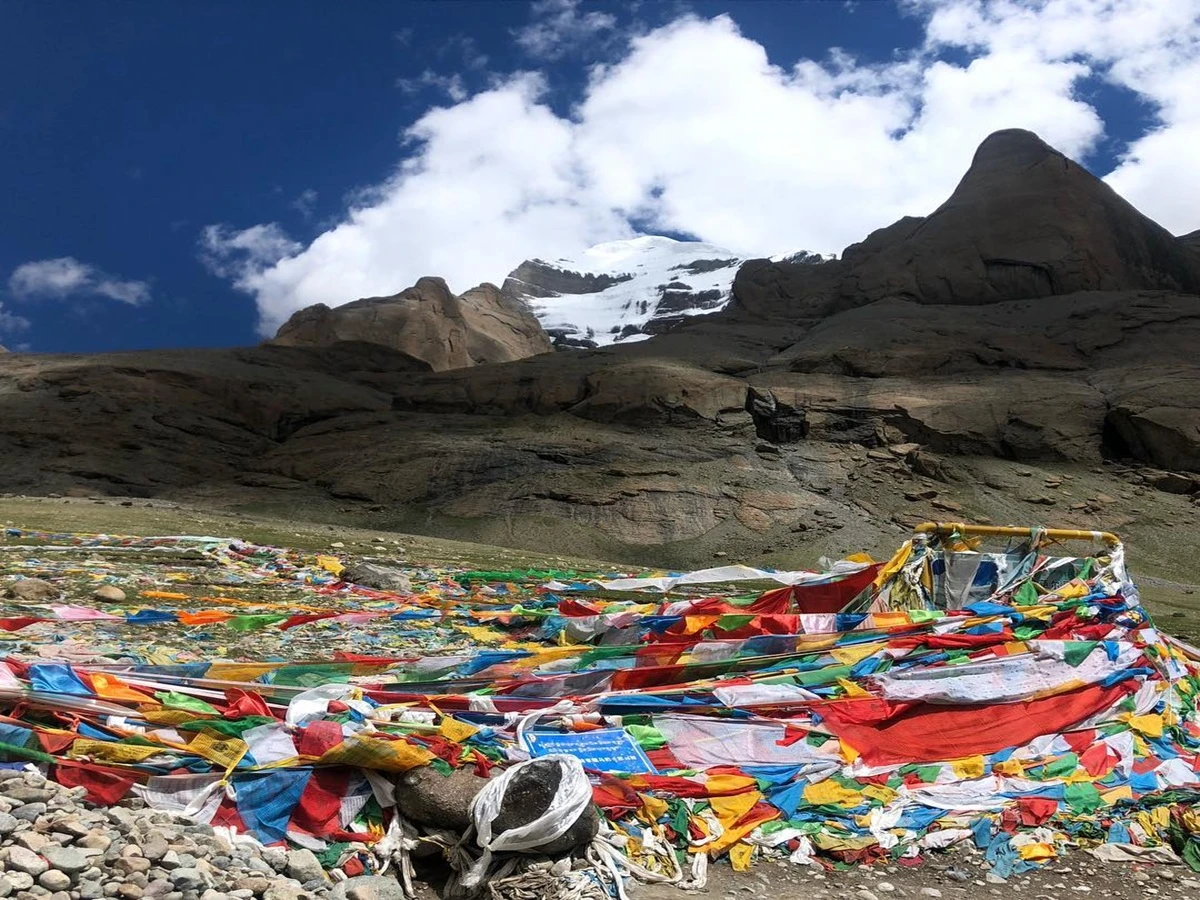
This 15-day Lhasa to Mount Kailash trip is a serious pilgrimage. It takes in the remote and holy Inner Kora, taking you closer to the heart of the mountain than anyone normally gets. Pass through some of Tibet’s most spiritually charged landscapes.

We facilitate this special trek multiple times each year so that you can experience this profound journey with the greatest ease, safety, and personal support. The cost of this hike starts at USD 3,400 per person. Contact us for more info and availability.

You will be accompanied by our top senior leaders for the trek, such as Tenzin Nyima, Mr Puchung, Chime Tasi, Sonam Tesi Sherpa and Dawa Sherpa. They will take excellent care of you during your trek and provide you with some authentic Tibetan hospitality.

Trip PlanExpand all
Max Altitude: 1300 m Meals: BreakfastAccommodation: Hotel

On the first day of the Kailash Inner Kora Trek, you will be greeted by our representative at Tribhuvan International Airport, Kathmandu and escorted to your hotel. You arrive, freshen up and then spend the balance of the day relaxing, unpacking or exploring this local town on your own. 

This day serves as a soft introduction to Kathmandu's unique atmosphere and an opportunity to recover from your flight. In the evening, we meet for a welcome meeting ― we’ll run through the plans of the next few days, answer any questions you may have and make sure you’re comfortable before tomorrow. 

Dinner will be set up at the hotel, providing you with an opportunity to taste Nepalese food and chatter with other trekkers. You'll spend the night at a cosy hotel in Kathmandu to relax before starting the trip.

Max Altitude: 1300 m Meals: BreakfastAccommodation: Hotel

On the second day, you will join a guided sightseeing tour in Kathmandu, which is full of the city’s age-old temples and palaces. After breakfast, an expert guide will accompany you to some of the city’s most cherished sacred and heritage sites. You will visit historical temples and holy pilgrims’ sites to take a first deep dive into the cultural & religious heritage of Nepal. 

You will have the day to peruse streets bustling with markets, experience local art and drink in Kathmandu's vibrant culture. Back at the hotel in the afternoon for leisure/relaxation or optional activities. 

Today is designed to help you acclimatise to Nepalese life, succumbing to the gentle rhythm of its people, traditions and history all the while as your body gently adjusts itself to altitude. 

In the evening a small briefing, so you are ready for your journey to western Nepal and beyond. Another night out in Kathmandu, so hit the hay, as the real hike starts in earnest tomorrow.

Max Altitude: 1300 m Meals: BreakfastAccommodation: Hotel

Today is the second day of sightseeing in Kathmandu. We will continue exploring the cultural aspects of the city and its hidden bounty with a glimpse into some more mysterious ones as well. After breakfast, an expert local guide will take you to see more of the valley’s many centuries-old temples, stupas and UNESCO‑listed heritage sites, explaining the spiritual traditions, architectural styles and way of life in this corner of the world. 

You may have the chance to meet with local artisans, observe the age-old process of craft making or share a quiet moment at a holy shrine school. We may organise lunch at our base hotel as an additional option, where we can taste popular and typical Nepali food. 

The rest of the afternoon is free perhaps you’ll decide to walk through old city alleyways, go shopping for souvenirs or take a break at the hotel. Then, in the evening, we have another short briefing this one for the next leg of our journey, a flight to western Nepal and the transition toward the Himalayan border. Overnight in Kathmandu, getting ready for the adventure.

Max Altitude: 150 m Meals: Full Board (Breakfast- Lunch- Dinner)Accommodation: Hotel

Today, we will start our journey early in the morning after breakfast. We take you for a half-day sightseeing tour in Kathmandu valley, where you can get to see more heritage sites or temples maybe take in one last impression of Kathmandu’s culture before you go. 

Following the tour, you will be taken to board a flight bound for the western lowland city of Nepalgunj in Nepal (approx 150 meters in altitude). The flight usually takes about an hour, and it’s a short but thrilling change that confirms you are on your way to the Himalayas. You will arrive at Nepalgunj, check into the hotel, and relax during the evening. This low-elevation overnight will help your body get acclimated for your flight to the mountains the next day. 

We will manage all transfers and logistics, so moving from urban Kathmandu to the remote climate of Nepalgunj is a breeze. Dinner and overnight arranged at a hotel; this is an important acclimatisation day prior to hiking in the highlands.

Max Altitude: 4250 m Meals: Full Board (Breakfast- Lunch- Dinner)Accommodation: Guest House

Today, we fly from Nepalgunj to Simikot (2,910m) on a remote mountain flight after an early morning breakfast. Simikot, where many pilgrims start the trek to the Tibetan plateau in neighbouring Nepal’s far-western Humla region, is a gateway village.

Upon arrival in Simikot, we immediately board a helicopter that will fly us to the border. The chopper takes us from Simikot to Hilsa, the border village of Nepal and Tibet a progressively popular route due to speed and the ability to bypass several days of gruelling trekking across desolate countryside.

From Hilsa, we will enter Tibet and head for Taklakot (also called Purang) at 4,025m . At the Tibetan border, we will help you through customs and permit requirements. After having lunch, we will drive to Taklakot and have dinner, and take a rest for acclimatisation, taking over an overnight stay at a local guest house. This is the first day of your real Tibetan journey towards the holy land of mountains.

Max Altitude: 4250 m Meals: Full Board (Breakfast- Lunch- Dinner)Accommodation: Guest House

Today we will enjoy a full rest and acclimatisation day in Taklakot (about 4,025m). After breakfast, we recommend light physical exercises soft stretching and strolls around the place to help you get acclimatised to the altitude. This progressive acclimatisation also minimises the potential for altitude sickness, so you’ll be ready to visit those high peaks. 

You will have time to wander around the peaceful Tibetan Town, communicate with local people about their life and customs or take a break in your guesthouse. Our guide will brief you in the evening about the upcoming journey to the sacred Lake Manasarovar – what you must expect of the terrain, weather and spiritual significance. 

Dinner will be served at the guesthouse, providing you with an evening to relax, rehydrate and mentally prepare for the following day’s drive up to the lake.

Max Altitude: 4500 m Meals: Full Board (Breakfast- Lunch- Dinner)Accommodation: Guest House

Today, we will pack all our stuff and begin the 88 km drive to Lake Manasarovar. The drive, which takes about two hours, is your first look at the stark beauty of the majestic Tibetan plateau. On arrival at the Shelter, guests' house. We’ll spend the afternoon exploring the calm lake and its environs. 

You can view, and take photos of, sweeping panoramic vistas over the crystal‑clear waters among what is actually a tranquil environment it’s a truly humbling, spiritual place. 

After lunch, we will take an optional parikrama by vehicle around some of the lake shore to enjoy the sanctified ambience and get breath-taking views. This serene exploration allows you to tune into the spiritual energy of the region, rest and prepare for the next day’s drive to Mount Kailash Base Camp. 

You will stay overnight in a guesthouse by the lake with dinner included.

Max Altitude: 4600 m Meals: Full Board (Breakfast- Lunch- Dinner)Accommodation: Hotel

This morning, you will wake up early for a special moment at Lake Manasarovar as the sun comes up, offering time to meditate, be silent, or enjoy the peace and splendour of the area. You can have a holy dip (as and if you believe), do chanting or puja as per your religion at the holy waters of the sacred lake. 

After breakfast and morning prayers, we will travel by road to Darchen, where you will prepare for your holy Kora around Mount Kailash. The trip takes around one hour, and the drive brings you to Darchen at approximately 4,575m. 

Once in Darchen, you’ll settle into a guesthouse. Our guide will brief us completely this evening on what to expect from the Inner Kora – touching upon the like of route, ascending/descending altitudes, terrains to cross through, spiritual high points, including a preview of things to come at Dirapuk, Charan Sparsa, Inside Kora’s path through Asthapath, Saptarishi Cave, Atmalingam, etc. Dinner will be served, and you'll sleep soundly, preparing your mind for the trek ahead.

Max Altitude: 4800 m Meals: Full Board (Breakfast- Lunch- Dinner)Accommodation: Guest House

On the ninth day of the Kailash Inner Kora Trek, we will start after breakfast with a short distance drive of approximately 13km to Tarchen/Tarboche – the site for the Pilgrimage of Kailash encircling, and ceremonial flag pole spot. We will start the journey towards Dirapuk Monastery from there. This 7 km trail takes about 5–6 hours of gradual but strenuous ascent through high‑altitude terrain. 

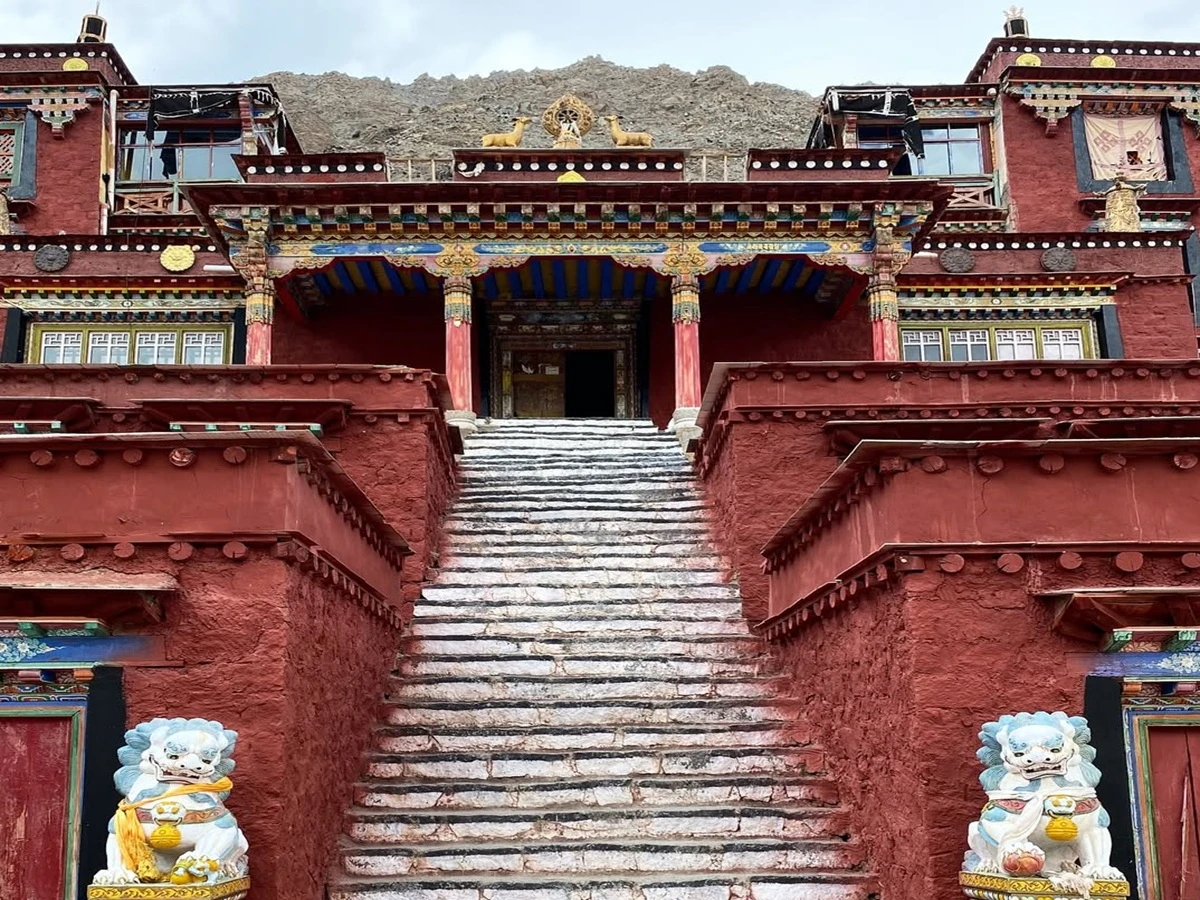
As you hike, we’ll lead you along ancient trails, across rocky terrain and maybe even through a stream or over modest ridgelines that provide dramatic views of Mount Kailash as it draws nearer. You'll sleep in basic but secure accommodation at Dirapuk, which is around 4,909m. 

In the evening, you can see a spectacular sunset or early-evening view of the north face of Mount Kailash. You must focus on resting and hydration in camp, as you acclimatise and begin to gear up for further long days in the mountains.

Max Altitude: 4800 m Meals: Full Board (Breakfast- Lunch- Dinner)Accommodation: Guest House

Today, we will take a spiritually meaningful walk to Charan Sparsa, which many pilgrims consider the nearest equivalent of touching the holy feet of Mount Kailash. We start the trek after an early, strong breakfast. The trail goes up gradually in the Himalayan landscape, and we will walk slowly with plenty of breaks for acclimatisation. 

On the way, you’ll have panoramic views of snow‑capped peaks, perhaps some wind or chill – very cold at high altitude – and (if you think they’re there) the powerful presence of the sacred mountain. 

Here at Charan Sparsa, we stop for prayers, contemplation and if you would like – ceremonies or sacrifice. It's a spiritual and emotional moment. 

Early in the afternoon, after relaxing for some spiritual rest, we descent to Dirapuk. The way back is easier, but still long; maybe 8-9 hours in total covering our day. You will have dinner, rest and think it over in the Dirapuk before returning.

Max Altitude: 4750 m Meals: Full Board (Breakfast- Lunch- Dinner)Accommodation: Guest House

Today must be the hardest one in this Kailash Inner Kora Trek. But it is also the most spiritually meaningful day of your pilgrimage. After breakfast before dawn, we begin towards Zuthulpuk and have to pass the highest Dolma La Pass, which is around 5,630 meters above sea level. The terrain is steep and rocky, frequently blanketed in snow; the air is thin, and we move slowly up high on the mountain, pausing to rest and hydrate. 

As you approach the pass, you’ll see the sacred, fluttering prayer flags – a moment of energy and liberation from past karma into spiritual rebirth. We will traverse through Dolma La and head towards the Zuthulpuk Monastery (approximately 4,760m), visiting points of interest such as high‑altitude caves or meditation sites to pray or meditate along the way. 

On arrival, we will rest, refresh ourselves (and have more tea), before a trek or jeep transfer back to Darchen in the evening. Reaching Darchen signifies the closure of the entire Kora trail around the holy peak.

Max Altitude: 4600 m Meals: Full Board (Breakfast- Lunch- Dinner)Accommodation: Hotel

Today we will start our Inner Kora journey, a holy, physically draining and highly spiritual circumambulation around Mount Kailash. We will leave Darchen early and hike toward milestone spiritual places: Asthapath, Saptarishi Cave, Atmalingam (also referred to as the Ice‑Lingam), along with other sacred sites on the Inner Kora circuit.

The path is not smooth, as it stretches through rugged terrain, steep, rocky paths, cracks, and possibly patches of snow or ice. For your comfort, we recommend a moderate pace, acclimatising every day and drinking a lot of water. We stop at every shrine to pray, meditate or reflect, and acknowledge the mountain's spiritual energy.

This Inner Kora is shorter in length but much more challenging due to high altitudes (5,600m+), steep terrain and the 20 kg pack I was taking. The day ends at a tented camp or simple guesthouse, where we feed you and then put you to bed. This challenge aims to get you as close as you can physically and spiritually to the divine power of Mount Kailash.

Max Altitude: 3,640 m Meals: Full Board (Breakfast- Lunch- Dinner)Accommodation: Hotel

Now that the Inner Kora has been accomplished, your spiritual circuit around holy Mount Kailash is satisfactorily finished. After all this, we will leave Darchen today and walk to the border village of Hilsa. The drive and transfer bring us across desolate Tibetan plateau roads and high‑altitude terrain, with changing scenery and last glimpses of the sacred peaks. 

Our guides take care of all logistics, permits, border‐crossing formalities, vehicle transfer. Relax and rest, be treated to meals by our team, and reflect on the journey you’ve finished on your arrival at Hilsa.

This passage signals the exit from pilgrimage zones to the return route. We will overnight at a guesthouse or tents (if available) and recommend rest, good hydration, mild meals, and getting ready for another day of flying tomorrow.

Max Altitude: 1350 m Meals: Full Board (Breakfast- Lunch- Dinner)Accommodation: Hotel

Following an early breakfast, you will get transferred to the local airport by Hilsa to catch a Chartered Helicopter (or light‑aircraft) flight back to Simikot, following in reverse your path out at the beginning of your journey. From Simikot, we will catch another flight to Nepalgunj. 

We will pick you up from the airport and escort you to your hotel, and during as necessary customs/immigration out we will transfer you for your onward flight or travel to Kathmandu. You are accommodated in a cozy hotel in Kathmandu for the night, where you go to dine and sleep off your trip. 

The remaining time offers you an opportunity to think back over the whole pilgrimage experience, have a hot shower, a comfortable bed, and perhaps even tell stories to other trekkers about the spirituality as well as the physical challenge of what you've just achieved.

Max Altitude: 1350 m Meals: Breakfast

Now that your Kailash Inner Kora Trek has been fully completed, it's time for you to return. Our representative will drop you off at the airport to catch your flight for your onward destination after breakfast this morning. We will assist you with your luggage, permits & let everything go smoothly. You will return with memories of a life-changing, mystical adventure around Mount Kailash and Lake Manasarovar.

Couldn't find what you're afterReach out to our travel experts.
Cost Details
Includes
  • Hotel / Guest House Accommodation as per program
  • Private Transportation by Van or Mini Coach as per group size.
  • All necessary Tibet Travel and Trekking permit
  • English speaking Tibetan Guide
  • All Sightseeing and Entrance fee
  • Yak and Yak man during Kailash Kora
  • Cook and Sherpa Staff from Kathmandu if we camp
  • Supporting Truck (above 2 pax) if we camp
  • Meal on Full board Basis (B/L/D) Or B/B (As per your requirement)
  • Kathmandu to Border to Kathmandu Transportation
Excludes
  • Travel and personal Expenses
  • Insurance of any kind.
  • Hiring porter/ horse
  • Portable oxygen cylinders in of emergency
  • Rescue and Evacuation Service
  • Any Additional cost due to Nature calamity and Unforeseen Circumstances and etc.
Essential Information

Common Pilgrim Mistakes and How Our Package Fixes Them

Not Realizing How Cold It Is and the Altitude

We give a pre-trip brief on how extreme the conditions are. The package includes a high-altitude sleeping bag hire, and we give you a clothing list which is rated for below zero. Our schedule includes acclimatization days to help your body adapt safely.

Overpacking/Bringing the Wrong Gear

We’ll send you a checklist of what to pack and give you a pre-departure gear review. We provide rental duffels for the trek; our porters are militant about weight restrictions and will train you to pack only the essentials.

Inadequate Footwear

Our materials emphasize that you absolutely must have a durable pair of broken-in hiking boots. We offer up some brand and feature recommendations, and we do a quick boot check at the start of the hike so you avoid blisters and save your ankles on the rocky surface.

Lack of Ritual Preparation

Our experience offers a special "Pilgrim's Guide" session before the Kora. Our guide walks you through the most important rituals, mantras, and points of etiquette on site, so you can participate fully even if you have no previous background.

Underestimating Physical Demands

On the trail, your guides will be watching pace and taking everyone's pulse to make sure nobody is feeling at all unwell; they also keep in constant touch between staff on walkie-talkies for moral support.

Best Time for Kailash Inner Kora Trek (15 Days)

For the Inner Kora, timing is more important because the Nandi Parvat pass (5,800m) is much higher and treacherous than the standard route. The only safe time to attempt this trek is in the late May through early September window.

Spring (Late May – June): It is the period when spiritual activities are in full swing, and most festivals generally occur in synchronisation with the Saga Dawa Festival. The weather is getting warmer, but there could be snow left on the high passes, making the technical sections greasy. If you select this time of year, expect chilly nights and delays in waiting for the ice to melt from the ropes.

Fall (September): Known as perhaps the best month overall. The monsoon rains have ended, leaving the air so clear it’s crystal. Visibility: Ideal; can see from the South Face and Atmalingam. The ground is drier, which translates to the scrambling sectors resembling small rocky playgrounds with less of a slip-and-scare factor. There is rapid cooling after mid-September, and concern about heavy snows causes the inner sanctuary to close for the winter.

Accommodations and Meals Arrangements

Comfort is far from a top priority on this Inner Kailash Kora Yatra; nothing like survival and spirituality are at the forefront, to begin with. As much as we do our best to give you the top service standard, it is important to understand that this is a remote highland in Tibet, which can never be compared with other Chinese cities. 

Accommodations

Kathmandu (Day 1-3): You will be seated at a 3-star hotel. All have ensuite bathrooms and hot showers, WiFi and a/c.

  • Kyrong and Saga(The Drive In): We use Best Available Guesthouses. These are more comfortable budget hotels, basic accommodations of private rooms and attached (often ) bathrooms with hit-or-miss hot water.
  • Mansarovar and Darchen: At both places, accommodation will be provided at standard Guesthouses. Rooms are basic, with 2 to 4 beds. Toilets may be communal/shared or located outside the main building. There is no heating, but we give warm blankets.
  • Overnight in the Dormitories of Mud-Houses (Dirapuk & Zutulpuk) during the Trek. These are extremely rudimentary stone rooms that have a few beds (4-6 per room). There are no showers. Toilets tend to be outdoor pit latrines.
  • Inner Kora Note: For the Inner Kora, camp in the cold high sanctuary is not required, as you’ll be based at Darchen guesthouse.

Meals

  • Breakfast: Steamed porridge, boiled/omelette eggs, bread/toast, pancakes, tea and coffee.
  • Lunch: On drive days, we break with a hot lunch. Trek days (particularly Inner Kora): packed lunches – because there’s no trailside dining en route.
  • Dinner: Freshly cooked Vegetarian Buffet. We get to eat an Indian (Dal, Rice, Roti, Sabzi), Chinese (Noodles) and Western(Noodle Soup, Pasta) combination of food.
  • Please note- all meals are vegetarian, to keep the peregrinacion in respect. We can provide vegan or gluten-free options if pre-advised. We offer hot water (unlimited boiled water) for drinking. Please bring a reusable thermos flask with you.

Safety Protocol at 5,860m

Hiking to an elevation of 5,860m is like stepping into the 'extreme altitude' category, where oxygen is reduced by 50%. Unlike others providing you with some vague, unverified 'safety-promise we have a strict Emergency Protocol that is implemented and audited by our experiences guides. Each group is led by a Sherpa trained in wilderness first aid, who double-hats with a Pulse Oximeter to measure your saturation at key rest stops. If yours falls below the safety level (75%) and does not rise, we don't gamble, we drop the hiking plan and start to descend.

Though cars cannot reach the relatively thin kora path, we have a 4WD Emergency Jeep ready when needed, just up to Serlung Monastery (nearby hermitage), where you can be evacuated fast and life-savingly in case of necessity down to Darchen.

Accessibility Details for Foreigners

Access to Tibet is often more difficult than the trek. The rules are harsh and vary by nationality. So here’s the plain truth about how we get you to that point.

For Indian Passport Holders

  • The Rule: You can’t book directly with private agencies for the standard route. You need to go through the MEA Lottery system, and only under certain Govt. regulated quotas, travelling is possible via the Nepal route.
  • The Process: It’s a government pick.
  • Note: We organise Inner Kora for NRIS and Foreign Passport holders only (because of these restrictions on Indian citizens).

For Foreign Passport Holders (USA, UK, Canada, Australia, NRIs) Other than Indian Nationality.

  • The Rule: You can’t have a normal Chinese Tourist Visa in your passport when you enter Tibet. If you have a valid Chinese visa in your passport, it will be voided when you apply for the Tibet Group Visa.
  • The Solution: The “Group Chinese Visa”
  • Here is the special paper visa issued by the Chinese Embassy in Kathmandu, Nepal.
  • It is not something, a sticker, placed in your passport; it is a piece of paper with the names of everyone in your party on it.
  • You are also required to arrive in and leave Tibet with your group.

How We Handle It (Our "Zero-Stress" Service)

  • All the hassles in Kathmandu will be looked after by us so that you can concentrate on the Yatra.
  • Arrive in Kathmandu well in Advance: You should arrive at least 3-4 working days prior to the trip starting.
  • Collection of passport: We collect your original passport and bring it to the Chinese Embassy.
  • Biometrics: You might have to visit the visa centre onwards for fingerprint (we provide private transportation)2.
  • Visa: We take your passport and the Group Visa; you will get them both back on the evening before departure.
  • Important: If you plan to visit Tibet from Nepal, do not apply for a Chinese visa in your home country. It is a money-grabbing hoax that will be cancelled. Believe our Kathmandu process it’s the only official process for tourists from Nepal.

Step-by-Step Preparation Checklist

You cannot just show up to the Inner Kora and expect to succeed. To achieve success with Nandi Parvat, be prepared both physically and mentally by following the proper preparation. Success on this Inner Kora Kailash Trek is 80% preparation and 20 % of execution. 

Phase 1: Building the Base (Months 1-3)

During this phase, you will be building your cardiovascular endurance. Your aim during this phase is to increase your Cardiovascular Endurance.

To achieve this, you need to be walking at least 4 times a week briskly for a distance between 5 and 7 kilometres. In addition to walking briskly, you need to be doing weekend hikes on uneven terrain (hikes that do not just involve a level treadmill) for a minimum of 3-4 hours. The Outer Kora is very long, so you will need to build up the strength in your legs so that you can continue to use them for approximately 8 hours without becoming fatigued.

Phase 2: The Climb Simulation (Month 4)

Emphasis on building leg strength for the ascent of Nandi Pass

Goal: Preparing your muscles for the ascent of Nandi Pass.

Routine:  

  • Stair Climbing: Locate amulti-level building, best if it has steps. Complete 2 stair climbing sessions per week for 45 minutes each.  
  • Weight Training: Use your normal daypack weighed down with 5 kilograms (usually water bottles/books) while stair climbing. This is similar to going to Nandi Pass with the weight you would carry there.  
  • Rationale: Certain sections of the Inner Kora involve climbs with vertical inclines. Having strong quads and calves is the best preventative measure against getting injured during those steep climbs.

Phase 3: Respiration, Lung Capacity & Breath Work (Month 5)

Focus: High Altitude Adaptation.

The Goal: Train your body to work more effectively with less oxygen.

The Routine:

  • Pranayama (Yoga Breathing): Do Anulom Vilom Kapalbhati every day for 15 minutes.
  • Retain Training: Attempt to walk, incline, while you are practising rhythmic deep breathing. Breathe in for 3 steps, breathe out for 3.
  • Why? Half as much oxygen at 5,800m. Efficient breathing quiets the heart and avoids panic on the ropes.

Phase 4: Gear & Mental Prep (Month 6, Last Few Weeks)

Focus: Comfort & Reality Testing.

The Goal: Eliminate surprises.

The Routine:

  • Wear Your Trekking Boots All The Time: Bring boots to break in everywhere, at the store, on walks, and at work. The new boots should never be worn on Kailas.
  • Layer Test: Go for a walk on a nippy morning in all of your thermally sound layers. Check that nothing is binding or too tight.
  • Mental Check: Visualisation. Can you picture yourself feeling exhausted and yet just taking one more step? Mental resolve (Sankalpa) is the reason you’ll reach the summit when your body wants to quit.

Read More Related to Kailash and Tibet

FAQs

That’s not a great idea, Inner Kora includes steep ascents, rocky scrambles and high altitude around 5,600m-plus that would require good physical condition and some mountaineering experience.

And many operators specifically advise that you should be physically fit and experienced at high-altitude trekking before trying it.

Some of these sources say there is an age limit, for example, over 65 years old, where a pilgrimage permit will not be issued to enter the Kora.

One needs to be fitter compared to the outer Kora, too.

Without facilities, inner Kora is usually going to be remote, therefore you need to carry water, food and a basic first‑aid kit. The guide is on hand for emergencies, but help could be hours away in the remote high altitude place.

Yes, travel to the region is confined to being part of an organised tour with a local driver and guide in order to obtain permits and ensure safety. It’s highly unrecommended to attempt inside Kora by yourself without a licensed guide.

Yes, conscientious guides leave a margin for returning for when someone is not feeling well, but in remote terrain, it can be challenging and slow going. They usually carry oxygen and first-aid, but you have to give them plenty of warning and follow their instructions.

Yes, the weather, heavy snow, risk of rockfall or issues with health can cause guides to cancel the inner Kora because of safety concerns.

A pilgrim’s health and safety come first, and the guide can make a call on whether or not to hold these events based on his judgment, as well as the recommendation from local authorities.

Yes, solid trekking boots, helmet (where rock fall is possible), trekking poles, layered clothing and sun and wind protection are strongly advised. Portable oxygen and altitude‑sickness medication are recommendable as well due to high altitudes.

The inner Kora itinerary takes approximately 2 to Three days for most. Having said that, if a longer trek is included in a 15‑day pilgrimage programme, then additional days are allocated for travel, acclimatisation and buffer.

Not always, though there are restrictions, especially in the vicinity of sacred areas; some places might be off limits depending on local regulations.

Voluntaries and authorities frequently implement quite strict rules to prevent uncontrolled tourism based upon concerns of safety as well as religion.

Probably not, many parts of inner‑Kora are so remote that there is no mobile signal or infrastructure in place for communication. It’s a good idea to take offline maps and tell someone the route you plan to cover.

Unforgettable Travel Experiences
December 04, 2025
Life‑changing Kailash pilgrimage

I did the full 15‑day Inner Kora with Dream Tibet Travel & Treks, and it was simply life‑changing. The guidance was hugely knowledgeable, always patient when altitude felt like trouble and ever...

read more +
I
Isabella Rossi
Venezuela
October 10, 2025
Professional, caring guides are what made this trek possible for me.

From the time we arrived in Kathmandu to our final departure, Dream Tibet Travel & Treks made sure they were with us for every mountain pass and spiritual place. The guides...

read more +
K
Kenji Tanaka
France
May 23, 2025
Immaculate planning

Organising my trip with Dream Tibet Travel & Treks was smoot, border crossings, accommodations and meals arrangements unfolded as promised. The scenery around Manasarovar and Kailash was awe-inspiring, and the guide’s...

read more +
S
Sophia Müller
Norway
Recommended for you
Kailash Mansarovar Shortest Tour 7 Days
Starting fromUS$1350US$1550
Kailash Manasarovar Small Group Tour
Tibet
Starting fromUS$1450US$1600
Lhasa to Mount Kailash Mansarovar Tour
Tibet
Starting fromUS$2500US$2700
Need Help? Call Us.+977 9851162422