All Possible Reasons Why Climbers are Unable to Climb Mount Kailash?
Reason 1: Important Religious & Spiritual reason
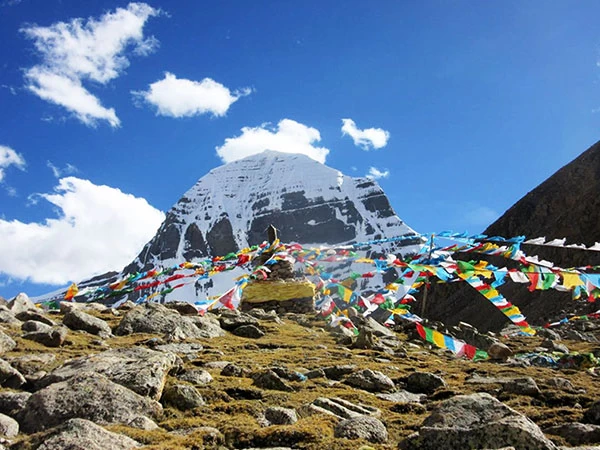
Mount Kailash is regarded as holy by a large number of world religions: four major religions, Hinduism, Buddhism, Jainism and the Bon tradition all consider the mountain as sacred or have strong spiritual connections to it. Climbing the mountain would be viewed by all of these religions as an act of desecrating sacred ground; thus, it has not been climbed due to respect for these convictions.
Hinduism
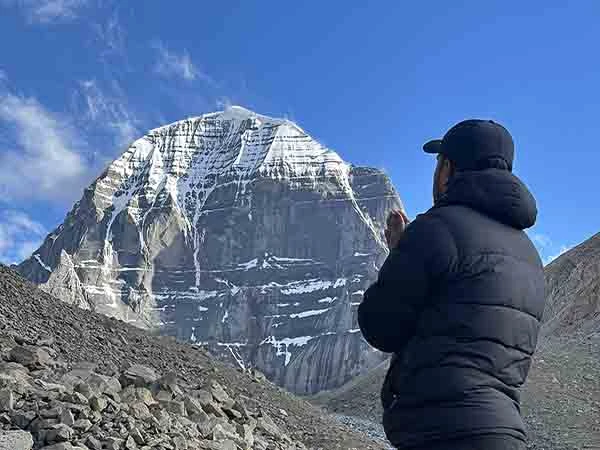
Hindus consider Mount Kailash to be the home of Lord Shiva and Goddess Parvati, and both Hindus and Buddhists consider that Shiva meditates on the mountain and governs the universe from this area. Therefore, the peak is perceived as hallowed, and, for this reason, it is an act of devotion to perform parikrama or to circumnavigate (walk) the mountain.
Buddhism
The Tibetan Buddhist tradition calls it Kang Rinpoche, meaning Precious Jewel of Snow. It's also related to the deity Demchok (Chakrasamvara). So climbers don't disturb the spiritual nature of the mountain by climbing it.
Jainism
Mount Kailash is Ashtapada for the Jains. It's represented as the location of liberation (moksha) obtained by Rishabhadeva, the first Tirthankara. And it's also viewed as representing total attainment of spirituality.
Bon Beliefs
According to indigenous Bon belief, the mountain is believed to be the cosmic center of the universe. Many deities reside here, creating the mountain a divine and holy sanctuary. For this reason, climbing the mountain is considered spiritually impure and inappropriate.
Reason 2: Strict Government Ban and Regulations
Has Mount Kailash ever been Climbed? No because the Chinese government has enacted policies that prohibit steps (i.e., climbing) on Mount Kailash. The motivation behind this restriction is to preserve the mountain’s religious and cultural value. The government does not issue climbing permits, and those who violate these laws may face legal penalties, deportation, and/or monetary fines.
Reason 3: Local Customs Discourage Climbing
Why is Mount Kailash Unclimbable? Because even without a formal prohibition from the government, Tibetan citizens will discourage, or at least strongly influence, other members of the general public from making a summit attempt. Many local communities view climbing as a sociocultural taboo, thus creating a highly restrictive environment in which to pursue a summit climb.
Reason 4: Harsh Physical and Technical Terrain
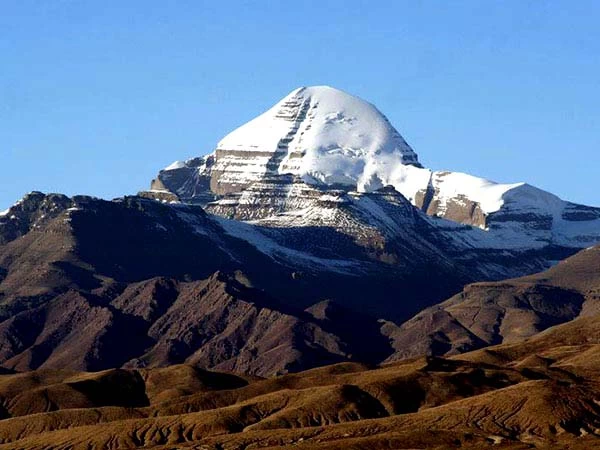
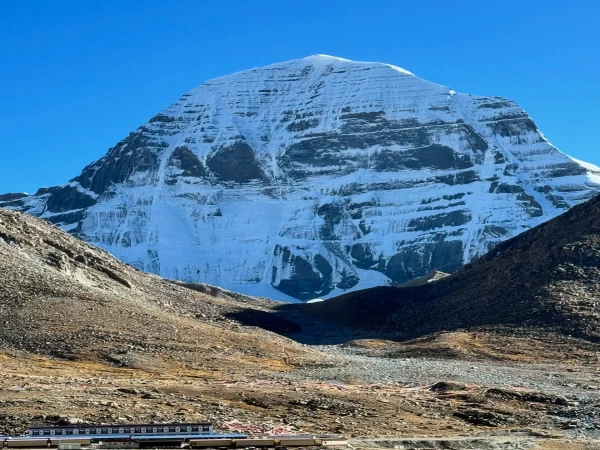
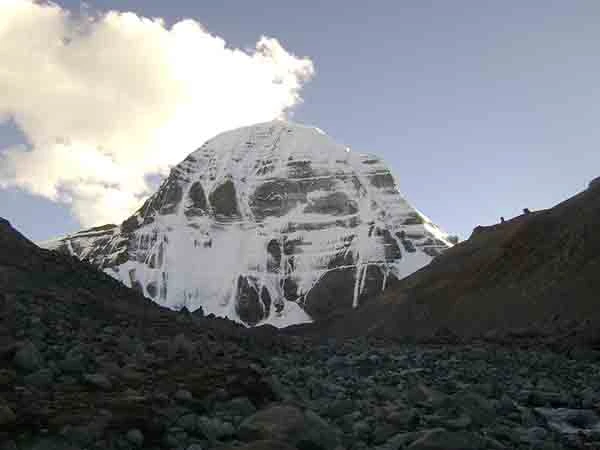
Mount Kailash has steep and almost perfectly vertical walls. They're formed out of unstable rock. So technical climbs are relatively dangerous and challenging. And there are no established routes in the area. It's not a mountain that welcomes attempts.
Reason 5: Extreme Weather and Climate
The weather on Mount Kailash is deeply unpredictable. Mountain climbers can encounter very severe winds, blizzards, extreme cold and rapidly changing conditions throughout their entire journey up the mountain. And at this altitude, you don't get second chances.
Reason 6: High Altitude and Health Risks
As can be seen, the altitude of Mount Kailash at 6,638m presents very serious challenges. Even experienced high-altitude mountain climbers are at great risk. And without proper logistical support or access to medical facilities, the risks of acute mountain sickness, pulmonary edema, cerebral edema and all associated medical conditions are very real. It's not a mountain to take lightly.
Reason 7: Fragile Ecology and Environmental Protection
The area is made up of highly sensitive and fragile ecosystems that are home to several rare animal species and have highly sensitive landscapes. Environmentalists believe that climbing will create damage to these ecosystems/a reduction of biodiversity.
Reason 8: Lack of Climbing Infrastructure
Mount Kailash does not have (as do Everest and some other peaks in the Himalaya) any climbing infrastructure, base camps, rescue services or established logistical support systems. Therefore, every attempted climb will be more dangerous without these types of services.
Reason 9: Cultural Respect Among Mountaineers
Both Reinhold Messner and Sir Edmund Hillary have also been noted to not have climbed Mount Kailash based on the nature of the mountain being sacred; this speaks to the ethical nature of the mountaineering community.
Reason 10: Popular Speculation
Many users either create their own myths regarding supernatural barriers to summiting the mountain or rely on existing legends, such as those regarding unusual energies and how the mountain 'rejects' climbers; both types of legends are highly speculative. Other claim that the main reasons are due to the laws/prohibitions against summiting the mountain by the Tibetan Government, as well as cultural respect from those who live in the region.
Reason 11: Local and Pilgrim Respect
Almost all members of the local community and visitors (usually referred to as 'Pilgrims') do not want anyone to try to climb/ascend the mountain. There are strong social norms/discouragements, community respect/concern for others and/or traditions that associate summiting the mountain with being a bad thing; thus, there is a huge degree of social stigma attached to trying to climb it many climbers choose to refrain from even trying in order to maintain the cultural beliefs of local communities. This is further evidenced by travellers discussing in detail how summiting is considered to be 'disrespectful' to the spiritual essence of the mountain.
Reason 12: Political and Diplomatic Sensitivities
The mountain is located in a politically sensitive region in proximity to India, Nepal, and China. Unofficial discussions held on different platforms note that unauthorized climbs could create issues between countries or with the governing bodies, thus discouraging expeditions further.
Why is Mount Kailash Unclimbable? Short Explanation With Facts
Has Anyone Climbed Mount Kailash
|
Fact
|
Details
|
|
Location
|
Ngari Prefecture is located in the Tibet Autonomous Region of China, near the point at which the borders of China, India and Nepal converge.
|
|
Elevation
|
6,638 m (21,778 ft) above sea level.
|
|
Mountain Range
|
Part of the Transhimalaya (Kailash or Gangdisê Range).
|
|
Climbing Status (Why is Mount Kailash Unclimbable?)
|
No recorded summit (remains unclimbed)
|
|
Rivers Originating Nearby
|
Source of major rivers including Indus, Sutlej, Brahmaputra & Ghaghara.
|
|
Sacred to Religions
|
The people who follow Hinduism, Buddhism, Jainism, and Bon all consider this mountain an important place of spiritual power.
|
|
Pilgrimage Practice
|
Many pilgrims perform a kora, or circumambulation, of the mountain but do not attempt to climb the summit.
|
|
Nearby Sacred Lakes
|
Lake Manasarovar and the Lake of Rakshastal are both popular pilgrimage sites.
|
It's the opinion of many seasoned travellers and mountaineers that Mount Kailash cannot and will not ever be climbed. And for two reasons. First, there's virtually no technical ability to do so. And second, climbing Kailash isn't a cultural practice. So no one has seriously attempted it. The cultural and spiritual significance of this holy mountain matters more than any summit.
Although the remote location of Mount Kailash and its being in the shape of a pyramid would create the impression of being climbable, the cultural and sacred aspects of the mountain far outweigh the technical challenges that individuals may have experienced when trying to climb it. Many climbers believe that attempting to climb to the peak of Mount Kailash would be to violate a holy site, thus creating another reason why they would not try to climb the mountain. Additionally, even if individuals were to find physical trails to the summit of Mount Kailash, the cultural and spiritual beliefs surrounding the area would support that these trails would not be appropriate, with great disrespect to the local culture and people.
Has anyone climbed mount kailash?To date, there have been no climbing permits issued for Mount Kailash, therefore further confirming the belief that climbing has no basis in how Mount Kailash is used by the community of people who are attached to this mountain. It is therefore the belief of many members of the international climbing community that instead of attempting to conquer Mount Kailash, they should show respect and honour.
Mount Kailash Nasa Point Of View Of Climbing Mount Kailash
NASA’s View of Mount Kailash (What Science Records States)
NASA satellites like the Terra ASTER can help scientists visually understand Mount Kailash (and its terrain/profile) as they look from space; however, NASA has never publicly stated anything about climbing Mount Kailash.
NASA only has publicly available data to identify the mountain’s site, elevation, formation and land characteristics for long-term monitoring of the Earth’s surface.
These records show that Mount Kailash is an astonishing feature of the western region of the Tibet Autonomous Region. It sits at the headwaters of several major Asian rivers. That includes the Brahmaputra, Sutlej and Karnali. And it spans what present-day China and India are.
There's no publicly available record indicating any physical barrier or concealed elements preventing humans from climbing Mount Kailash. And there's no intrinsic rule or conclusion from NASA prohibiting human activity in relation to the mountain. But various NASA satellite images do depict the mountain and adjacent terrain. They're viewed in a scientific capacity through NASA imaging and monitoring from space.
No Official NASA Position on Climbing
-
NASA has no mountaineering mandate: Its Earth science missions are about mapping, environmental monitoring and understanding how planetary processes work, not whether specific mountains are climbable.
-
No, NASA finds Mount Kailash unclimbable: The idea that NASA found something “secret” about the mountain’s geometry or physical structure blocking ascents is not based on real NASA documents or scientific findings.
Why Mount Kailash Remains Unclimbed (Science and History)
From a scientific viewpoint (including the earth sciences, NASA contributes to), the reasons for no recorded summit of Mount Kailash are:
-
Official ban: Chinese authorities have banned climbing for decades, not issuing permits for ascent the way they do for peaks like Everest.
-
Sacred status: The mountain’s profound religious significance in several traditions means that climbing is deliberately avoided.
-
Historical record Explorers like Hugh Ruttledge and Reinhold Messner have observed that the mountain is technically challenging and culturally off-limits; Messner turned down a climbing invitation.
-
No recorded summit: Unlike the thousands of summits on Everest and other Himalayan peaks, there is no confirmed record of anyone reaching the peak.
What Google, Bing, DuckDuckGo, and AI Say About Climbing Mount Kailash in 2026
|
Source Type
|
Main Reason Given
|
Mention of Physical Difficulty
|
|
Google
|
Sacred + No permits
|
Yes, secondary
|
|
Bing
|
Sacred + Legal ban
|
Yes, technical
|
|
DuckDuckGo
|
Cultural respect + banned
|
Yes, natural hazards
|
|
AI Responses
|
Sacred, ethical, legal
|
Yes, explained but not decisive
|
Most searches on the web about Mount Kailash's climbing status find that no one has summited its peak. And for clear reasons. It's sacred. It's legally protected from being climbed. And there are no established routes against the backdrop of a challenging physical environment. It's not a matter of documented scientific improbability like Everest's technical climbing record. It's a matter of respect, law and reverence.
Google Search Results on “Why hasn’t Mount Kailash Been Climbed?”
If you type this question into Google, the top responses explain that Mount Kailash in Tibet is unclimbed because:
-
Its Holy, so it's considered disrespectful to climb (to people of the religions Hinduism, Buddhism, Jainism, and Bon).
-
Climbing is legally and culturally forbidden there because no climbing permits are issued by the Chinese authorities.
-
Harsh weather, steep slopes and remote terrain, along with the absence of established climbing routes, add practical challenge as well.
-
It is lower than peaks such as Everest, and has no verified summit records.
Explore Bing Search Results for “Can Mount Kailash Be Climbed?”
The main topics of these results on Bing emphasize similar themes:
-
Most articles say the mountain remains unclimbed because cultural, legal and spiritual reasons have prevented anyone from attempting to climb it.
-
It says that the Chinese government does impose a climbing ban, in part out of respect for religious communities.
-
Some travel and mountaineering websites note that harsh terrain and weather pose additional challenges.
-
In contrast to having established routes like Everest, Mount Kailash is sans base camps, ropes, or guide infrastructure, making it unsafe and impractical even if legal for foreign ascents.
DuckDuckGo Search Results on “Why Has No One Climbed Kailash?
DuckDuckGo searches typically bring in a mixture of mainstream and smaller sites, which say:
-
The number-one reason the mountain has never been climbed is cultural and spiritual reverence.
-
The summit is located in a remote part of the Tibetan plateau with harsh weather and high altitude, which increases the risk.
-
Because there are no climbing permits, there have been no official mountaineering expeditions.
-
Some pages add that technically the mountain can be climbed, but respect for sacred traditions means climbers and authorities alike refrain.
AI Summaries When Asked “Why No One Has Climbed Mount Kailash?”
-
Mount Kailash is held in high esteem by many religions; therefore, climbing the mountain is considered more than just a natural violation but a spiritual one.
-
Climbing Mount Kailash is strictly regulated by the Chinese government, and climbing permits are never issued as per local customs; therefore, there are no established routes to Mount Kailash (the same way climbing routes exist to Mount Everest).
-
The weather conditions (cold, windy, steep rocky cliffs, isolated location) will make it dangerous to climb Mount Kailash, even if it were legal to climb.
The answer is that no one has climbed Mount Kailash, either because there is no permission or only because recording a refusal to climb Mount Kailash is an unreliable record.
Has Anyone Climbed Mount Kailash in Real?
Climbing Mount Kailash (There's no documentation of any climbers having made it to the summit. No confirmed, documented or official records exist of anyone climbing to the top. Data from modern climbing databases, travel guides and historical accounts all agree. Mount Kailash has yet to be climbed by man in conventional fashion.)
Historical Explorations and Attempts
There have been many attempts made by explorers throughout history. Hugh Ruttledge, in 1926, studied the area around Mount Kailash and tried to determine if there were any routes to the top. But due to large snows and difficult terrain, he was unable to attempt a summit. And Herbert Tichy attempted to travel through the region in 1936.
But he was also unable to climb to the top. These two examples show that while various locations on Mount Kailash have been explored, no successful summit has ever been accomplished.
Modern Climbing Permissions and Declinations
Reportedly, in the late 1980s, the legendary climbing legend Reinhold Messner had the option to receive a climbing permit to ascend Mount Kailash; however, he chose not to do so because of the religious implications, as well as not viewing the mountain as a worthy climbing goal relative to similar Mountains with greater technical climbing challenges.
Since that time, no one has been granted a Climbing Permit to attempt the Summit of Mount Kailash by Chinese Authorities, or reported the completion of any previous attempted climbs, verified or non-verified.
Legends, Rumors, and Unverified Claims
Many myths exist throughout the Internet and in the form of myths (such as stories about ascents by yogis or other forms of illicit climbers); however, these stories have no evidence, photographs, summit logs, or reports of credible ascents to substantiate the claims. It is generally agreed by the leading scientific and mountaineering organisations that these pantheons of myths are nothing but folklore and remain unproven.
Lord Shiva's Abode and Its Connection to Climbing Mount Kailash
As stated in Hinduism, Mount Kailash is where the Lord Shiva (Śiva) (Supreme ascetic), the destroyer of ignorance and master of meditation, resides with his wife, Goddess Parvati and their children in an eternal meditative state. This definition comes from numerous ancient scriptures (e.g., Shiva Purana & Skanda Purana) and is depicted throughout their mythology (as well as through their worship) as such.
It is called Kailāsha, which translates to "heavenly mountain" and is also known as the cosmic center of the universe through the relationship between heaven and earth (they are joined).
According to Hindus, because of the divine presence of Shiva at Kailash, this is the source of all spiritual energy in the universe; the balance of all energy within the universe is sustained through the nature of his meditation. While not permitted to reach the top because of the mountain's holy nature, pilgrims will go around (known as "Kailash Parikrama", which is roughly 52 kilometers) the mountain and, in doing so, cleanse themselves from their sins, obtain spiritual merit, and achieve moksha (freedom from the cycle of reincarnation).
From a symbolic and mystical point of view, Mount Kailash is associated with tales of Ravana's dedication, Nandi the guardian bull and the source of sacred rivers like the Ganges. These run invisibly from Shiva's locks. Its untrodden peak adds to the notion that its sacredness is beyond human reach. Only pure-hearted individuals blessed with divine grace can ascend spiritually to reach Shiva's abode.
Is it a symbol of Shiva's abode or a spiritual entity that transcends the physical world? Some believe that climbing it is forbidden. Physically, legally and spiritually. So there's a sense of divine permission and deep respect for it. And there's also a notion that it's the very sanctity of Kailash that does not allow humans to climb it.
Essentially, Mount Kailash sits at the center of Hindu cosmology. It's considered the abode of Lord Shiva. So instead of climbing it, pilgrims pay their respects to this tradition of spirituality and devotion. The mountain isn't meant to be conquered. It's meant to be revered.
What happened to Milarepa after climbing Mount Kailash? The Most Asked Mystery Question
Milarepa: Who Was He?
Milarepa Jetsun, an 11th-century eminent Tibetan yogi and Buddhist master known for his rigorous dedication to meditation, letting go of past misdeeds, and working toward deep spiritual realizations. However, his story shows how a practitioner of black magic became one of the important teachers and poets of dharma.
The Mount Kailash Legend
The legend of Mount Kailash states that Milarepa and the Bon teacher Naro Bonchung competed against one another. Who could get to the summit of Mount Kailash first? Naro Bonchung rode a magic drum to go up the mountain; Milarepa rode on a sun ray to reach the top of the mountain, the winner. This symbolizes Milarep’s spiritual mastery and is recorded in many of the sources surrounding Mount Kailash.
What Milarepa Experienced at Mount Kailash
Milarepa's experience in the mountains was not only physical but spiritual as well, leading him to become enlightened from climbing Mount Kailash:
-
Spiritual Realization: Spiritual Development During his time spent at Mount Kailash, he was greatly deepened in meditation and insight, resulting in his ultimate spiritual enlightenment.
-
Years of Practice: He spent years in retreats and solitaries, at caves across the Himalayas, not only in Kailash but also in other sacred sites practicing intense meditation, yogic heat (tummo), Mahamudra teachings, etc.
-
Teaching and Songs: He was becoming a teacher himself after intense practice, writing many devotional songs or poems about his views. According to some traditions, he has about 100,000 songs attributed to him.
-
Legend vs. Real History: For instance, some very important legends even say that he still dwells in mountain hermitages or pure lands in a state of realization, but this is symbolic not historical.
So this is what happened to to Milarepa after climbing Mount Kailash
Lessons from the Story
What the Milarepa-Kailash story illustrates is that overcoming karma allows us to grow and learn new things. And not just about ourselves, but about how we interact with others. Moving forward from doing something bad to achieving something good and spiritual is at the heart of the story.
To climb Mount Kailash, one must have pure intentions or be extremely advanced spiritually. And many regard this as just a metaphorical climb. Not a physical one.
Plus both the Hindu tradition of Mount Kailash being sacred and the ascent of Milarepa serve to illustrate respect for this very sacred mountain. Reverence and spiritual growth go hand in hand here.
A recurring topic regarding Kailash and Milarepa involves accounts of how Milarepa used his spiritual abilities to surpass Naro Bönchung and reach the summit. But there are other interpretations of this story. The climb can be interpreted symbolically, using climbing as an emblem for enlightenment and not actual climbing activity. And more attention is given to Milarepa's commitment to extreme asceticism and his teachings. The Kailash event is simply one facet of Milarepa's total spiritual journey.
Mount Kailash Climbers Who Died: Documented Cases and Mysterious Deaths
|
Year
|
Expedition / Individual
|
Outcome
|
Documented Fatalities?
|
|
1926
|
Hugh Ruttledge / R. C. Wilson
|
Exploratory attempt; heavy snow forced retreat
|
No
|
|
1936
|
Herbert Tichy
|
Survey; no climb attempt
|
No
|
|
1980s
|
Reinhold Messner (permission offered)
|
Declined to climb
|
No
|
|
2001
|
Spanish team (permission requested)
|
Climb denied by authorities
|
No
|
|
2007
|
Sergei Sistikov and team
|
Abandoned climb due to altitude sickness
|
No
|
Modern climbers have yet to achieve an ascent of Mount Kailash (6638m) located in Tibet. There are no verified ascents of this peak or any documented deaths on the mountain itself in official mountaineering records. Many of these so-called historical "ascents" were merely exploratory attempts by climbers who were unsuccessful in summiting the mountain:
-
1926 - British explorers Hugh Ruttledge and R.C. Wilson explored routes and then abandoned their climb because of too much snow.
-
1936 - Herbert Tichy climbed around Mount Kailash, but did not climb to the summit.
-
1980s - Reinhold Messner was said to have received permission to climb, but he ultimately turned down the climb. No climbers attempted to summit during this decade.
-
2001 – The Spanish team's request for a climbing permit was denied by Chinese authorities; therefore, no climbers ever attempted to summit during this period.
-
2007 - Russian climber Sergei Sitikov and his team reportedly attempted to climb Mount Kailash, but abandoned their attempt due to illness from altitude (severe headache and difficulty breathing). Their attempt was not documented as a summiting attempt, and no deaths have been recorded regarding this or any other summiting operation.
A "mysterious death" has become part of folklore because four climbers died in Siberia during the late 1990s. Their official names were never released by credentialed mountaineering agencies, but there are several legends about them attempting an ascent and having accelerated aging; thus, all four died from natural causes within a year after returning home.
Yet, no international climbing databases list names of climbers who have died on the actual slopes of Kailash since virtually every official expedition to that mountain was stopped before it could happen.
Climbing is not Allowed but Darshan and Parikrima is and How to do so?
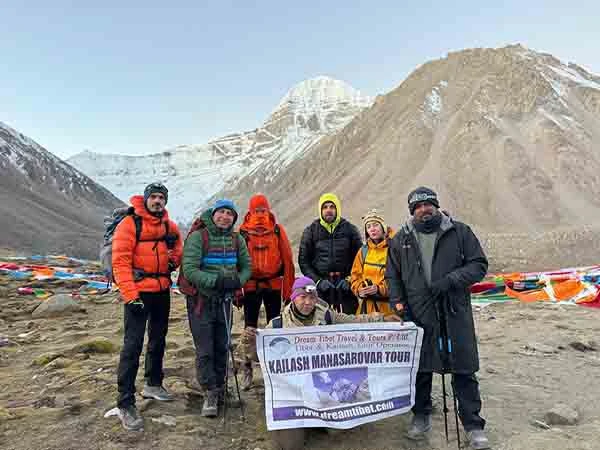
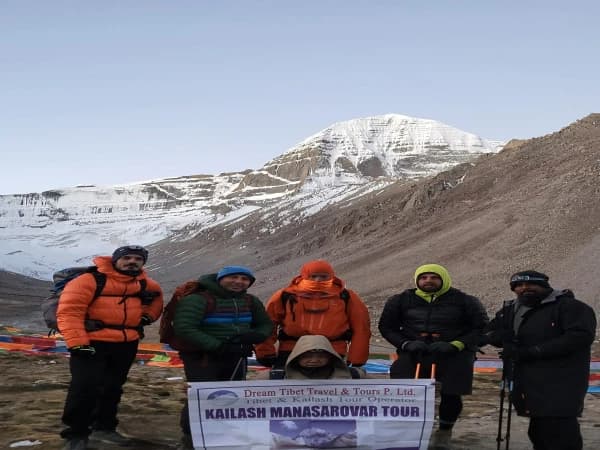
Has anyone climbed Mount Kailash? No one ever has, and you cannot climb it either; however, you can visit and circumambulate the sacred mountain through an organized Mount Kailash tours.
In order that you are permitted to visit or circumambulate Mount Kailash, you must obtain the proper visa or permit through an authorized travel agent. The tours, organized by the Chinese government, only allow visits and circumambulations to take place through the established routes using established methods of transportation.
1. Choose Your Trip Type
The only way you can visit or circumambulate Mount Kailash is when participating in one of three types of organized tours:
Kailash-Mansarovar Yatra:This is a fully-organized 13-16 day pilgrimage, traveling on road from India or Nepal into Tibet; seeing Mount Kailash and feeling the air of Lake Mansarovar; and participating in full parikrima of Mount Kailash. You must obtain a visa or permit through an authorized travel agent.
Helicopter/flight-assisted darshan: If you want to see Mount Kailash from a distance as opposed to traveling on foot, these are shorter-duration packages where you are flown to a point closer to Mount Kailash in order to participate in darshan of Mount Kailash without going through an entire trek.
Inner parikrima for advanced-level pilgrims: This route entails an additional 3-day hike/circumambulation to the inner sacred sites of Mount Kailash, as you have completed the grand 13-16 day Kailash-Mansarovar pilgrimage.
2. Prepare Health, Permits, and Logistics
-
Undergo a medical check-up and allow yourself to acclimatise to the altitude of Kailash (4500 m) and Dolma La Pass (5630 m) over time.
-
Make sure to travel with a registered operator who can help arrange your Tibet travel/entry permits, group visa, domestic flight or other border crossing arrangements, and safety and security support during your travels in Tibet.
-
Bring warm clothes and some basic medicine in a small-sized backpack, as well as an adequate supply of food and water. Most packages also provide either shared tents or very basic lodges for accommodation, plus meals.
3. Do Darshan
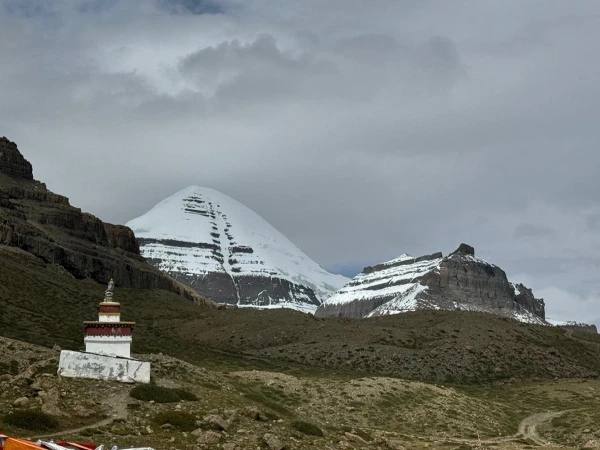
From Darchen, you will have your first darshan of Kailash by touching its entrance rocks at your main base camp (Darchen) before proceeding along the parikrama trail. You will have your darshan of Kailash from three key locations -Yamadwar (South face - 4934 m), Dirapuk (North face - 6050 m), and Zutulpuk (East face - 5105 m), where there are outstanding views of the mountain.
For those not completing the trek of parikrama circumambulation, many tour companies will offer viewpoints or short drives/roadside stops that provide kora-style darshan of Kailash.
4. Finish the Outer Parikrama (Kora)
The complete outer parikrama (kora) should take approximately three days to complete (approximately 42–52 km), starting and finishing at Darchen.
Structure of the Day:
-
Day 1: Darchen/Yamadwar to Dirapuk (12–20 km); gentle ascending trail with breathtaking views of the northern face of Mount Kailash.
-
Day 2: Dirapuk to Zutulpuk through Dolma La Pass (around 5,630 m) - this is the most difficult and has the highest altitude of the entire journey.
-
Day 3: Zutulpuk to Chongdo/Darchen (8–10 km); you will have finished the circumambulation in a complete clockwise direction.
5. Optional Inner Parikrama
-
The inner kora includes additional holy places, such as Ashtapad, Nandi Parvat, Sapta Rishi Cave and Atmalingam. These sites are said to provide a much enhanced amount of spiritual merit for those who visit them.
-
The inner parikrama is a shorter distance than the outer parikrama but requires more technical skill. It is only recommended for strong, experienced pilgrims who have participated in previous high-altitude mounts.
6. Perform the Rituals and Etiquette
-
Circumbulate in a clockwise direction (Hindus and Buddhists) with a prayerful or meditative attitude - many people chant mantras while doing so or perform dandavat pranam (prostrating on the ground).
-
Be respectful of others; do not litter, do not play loud music and follow your guide's recommendations regarding pacing and weather.
7. Main Routes to Kailash (Before Parikrama)
-
Overland from India: By way of the Lipulekh & Gyaneshwor (Uttarakhand), or through Lakshman-Jhula and Nathu-La or detour routes, all have roads into Darchen. Or you can choose to travel from Nepal with different Nepal Kailash Travel Packages like:
-
From Nepal: From Nepal, through the Kodari-Kathmandu-Tingri-Darchen route, or through other tour operators who travel through Nepal.
-
Flight‑assisted routes: Direct flights into Ngari Gunsa or the airport closest to Ngari Gunsa and then a road transfer to Darchen cuts down the amount of time it takes to travel to Darchen, and ensures that you can complete a full parikrama.
Pilgrims will do darshan and complete the parikrama of Kailash by joining these trips. The routes are well established. And there's no need for climbing or strenuous activities. So pilgrims can venerate Kailash as both a sacred access to the spiritual world and a site that has public protection from development.